Boureima Amadou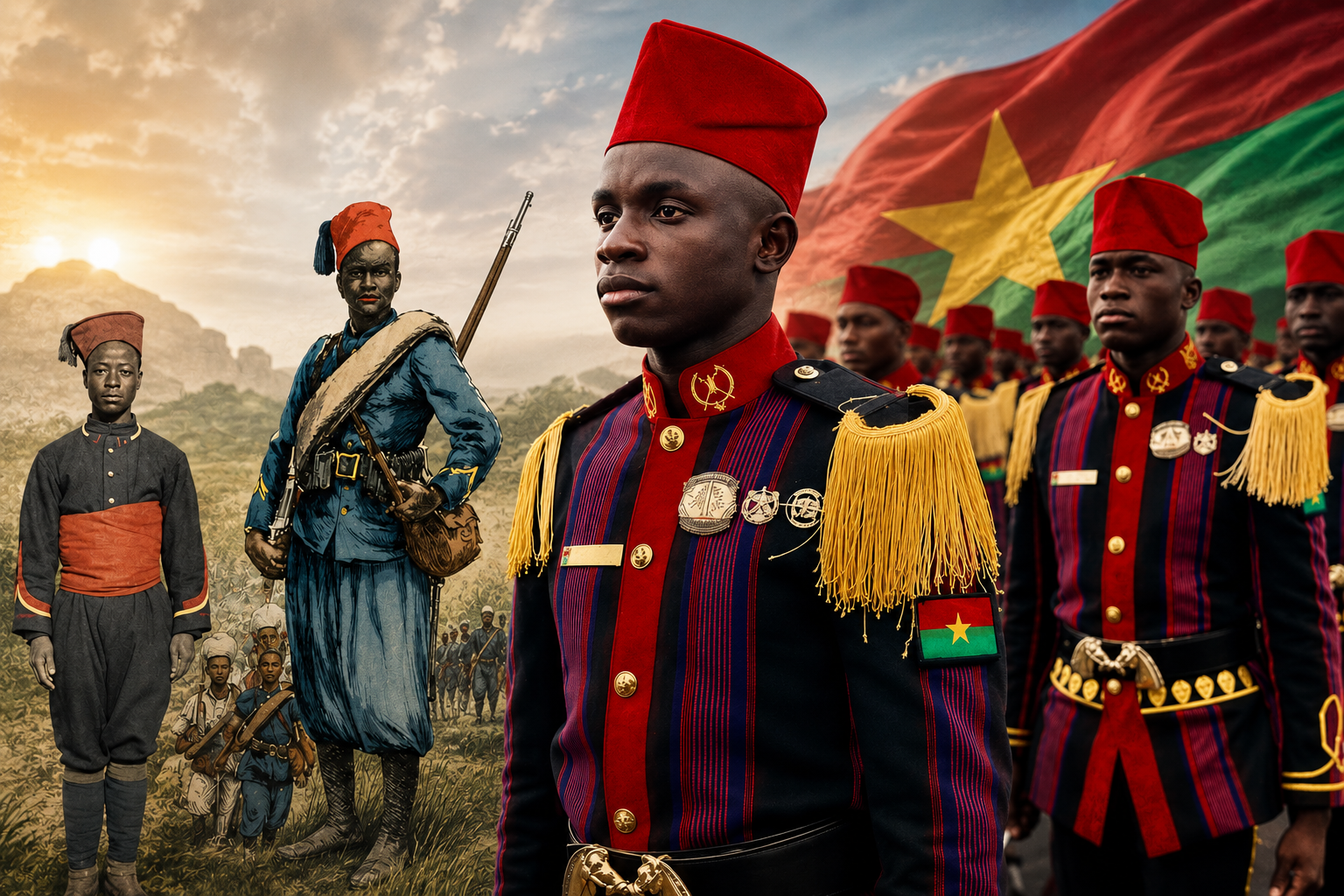
The line separating political spectacle from ground-level reality in Burkina Faso grows thinner by the day. The military junta’s recent decree establishing a “memory attire” for national commemorations of decolonization milestones offers a stark example of this paradox. Marketed as a bold assertion of recovered sovereignty and national pride, the initiative aligns with a broader strategy of elevating indigenous cultural markers. Yet it simultaneously thrusts into sharper relief a pressing question: what should take precedence when a nation faces an unprecedented security crisis?
The gamble on sovereignist posturing
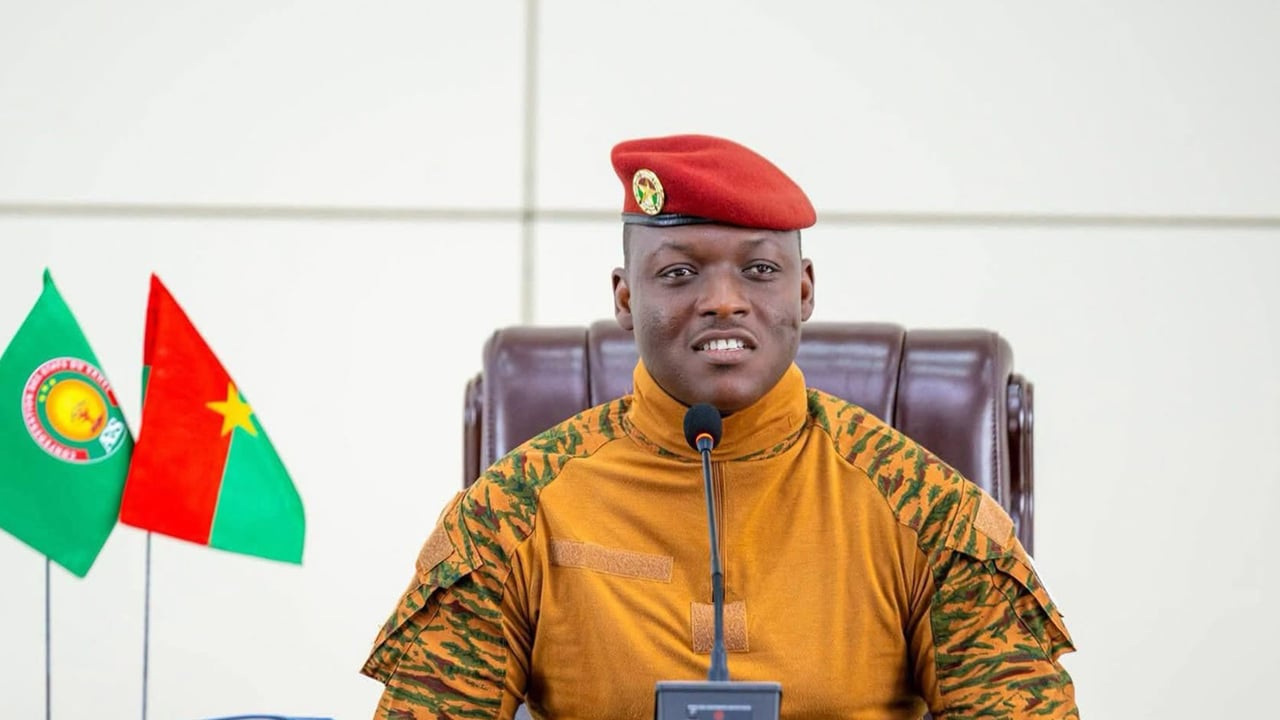
It would be an oversimplification to dismiss the political capital still enjoyed by Captain Ibrahim Traoré among a significant cross-section of Burkinabè citizens and certain West African opinion currents. By discarding conventional international cooperation norms and adopting an uncompromising anti-imperialist stance, the transitional leader has tapped into decades of pent-up frustration over failed counter-terrorism efforts.
The sovereignist narrative resonates deeply with many who believe past security approaches have yielded nothing but stagnation. In this vein, the administration has rolled out a series of symbolic gestures: elevating Faso Dan Fani to official attire status, promoting national languages, rehabilitating historical resistance figures, and now introducing the “memory attire.” For regime supporters, these measures are stitching back together a national identity long frayed by conflict.
On the security front, the rapid expansion of the Volontaires pour la défense de la patrie (VDP) volunteer corps signals an attempt to rally civilian participation in the war effort. The stated goal is twofold: diminish external dependence and build an indigenous defense capacity capable of withstanding long-term threats.
The disheartening security landscape
Yet symbols, however resonant, cannot substitute for tangible progress. Nearly four years into military rule, the security challenge remains daunting.
Large swathes of the country remain beyond effective state control. In multiple provinces, armed groups continue to target defense forces, civilian auxiliaries, and local populations. Roadside ambushes, village raids, infrastructure sabotage, and kidnappings perpetuate a climate of chronic insecurity.
The humanitarian toll continues to mount. Hundreds of thousands remain internally displaced, while countless communities live under the perpetual threat of armed incursions. Access to healthcare, schooling, markets, and administrative services remains severely disrupted across several regions. Supply chain breakdowns deepen household economic precarity, especially in rural areas.
The security crisis exacts a steep economic price. A growing share of public funds now flows into military expenditures, even as needs in health, education, infrastructure, and development swell unmet. Agricultural slowdowns, shuttered artisanal mines, and disrupted trade routes further strain national growth.
The growing chasm between rhetoric and reality
The gap between official messaging and citizen expectations widens. While authorities spotlight symbols of restored sovereignty, many Burkinabè demand concrete deliverables: palpable security gains, reopened highways, reinstated public services in abandoned zones, and safe returns for displaced families.
True sovereignty cannot be measured solely in ceremonial attire, choreographed events, or wardrobe policies. It is measured in the state’s ability to assert authority across its territory, guarantee free movement, protect civilians, and fulfill core public functions.
Patriotic rallying cries can bolster national cohesion, but they ring hollow when communities remain trapped in daily fear. As the conflict persists, the risk grows of widening the chasm between regime ambitions and rural realities.
The ultimate test of the transition
Burkina Faso stands at one of the most perilous junctures in its contemporary history. Restoring security is the indispensable foundation for any political, economic, and social reconstruction. Without measurable progress on this front, even the most resonant sovereignist initiatives risk losing their mobilizing power.
The historical verdict on the military transition will hinge less on the potency of its slogans or the proliferation of identity symbols than on its capacity to reclaim lost territories, ensure enduring protection for civilians, and recreate conditions for normal life. Genuine sovereignty is not declared through political posturing; it is proven through the restoration of security, stability, and hope for the nation’s future.

 theafricantribune