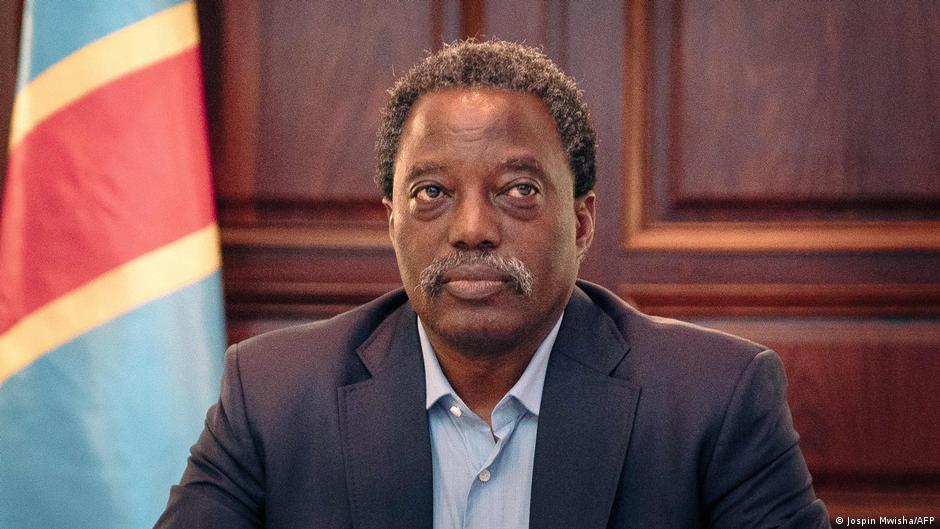
Boureima Amadou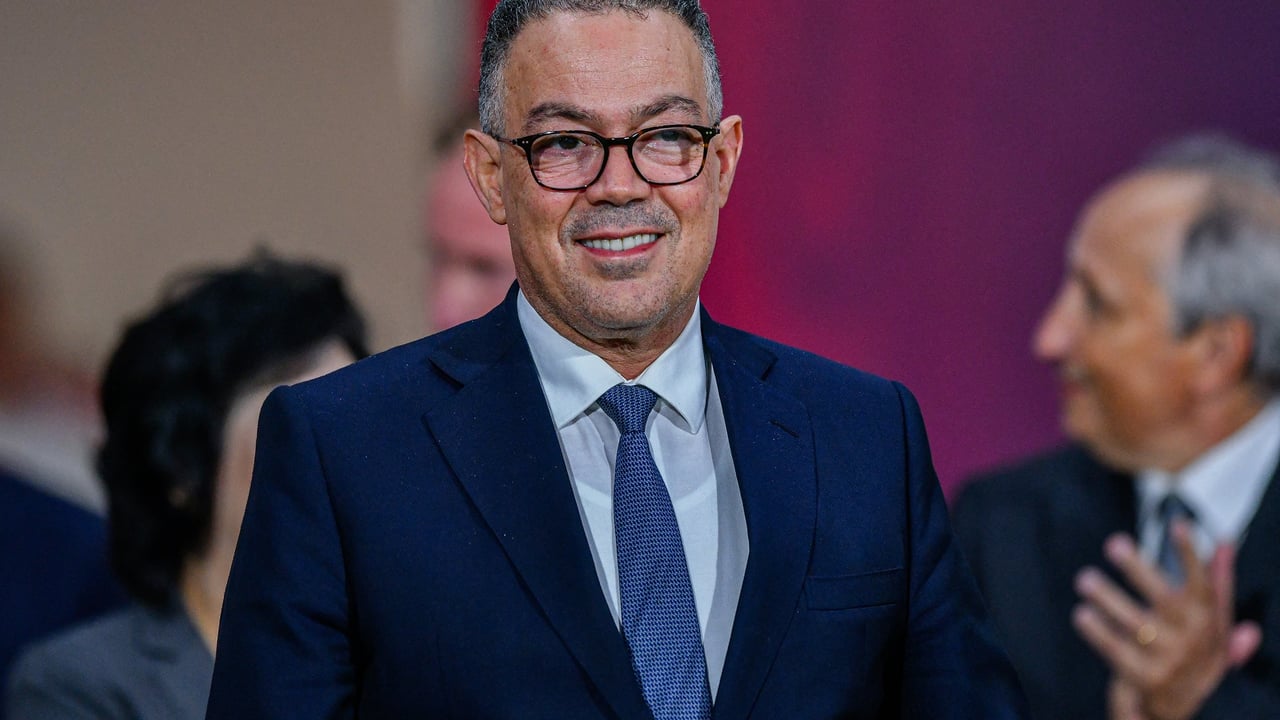

The appointment of Fouzi Lekjaâ at the helm of the Moroccan Agency for International Cooperation (PAM) has sent shockwaves through the country’s electoral landscape. Just months before the highly anticipated vote, this strategic move is reshaping the political chessboard in ways no one anticipated.
From football pitches to political corridors: a bold transition
Fouzi Lekjaâ’s profile is an unusual one in Moroccan politics. Best known as the President of the Royal Moroccan Football Federation, Lekjaâ has spent years navigating the complexities of sports governance. His sudden shift to a key administrative role at PAM signals a deliberate effort to bridge the gap between public service and high-profile leadership.
For political analysts, this appointment is more than a personnel change—it’s a calculated move to amplify Morocco’s global outreach during a critical period. By placing a figure of Lekjaâ’s caliber in this position, the government appears to be positioning itself for greater influence on the international stage.
A strategic gamble with electoral implications
With Morocco’s election cycle heating up, every decision is scrutinized for its potential impact on voter sentiment. Lekjaâ’s new role at PAM places him at the center of Morocco’s diplomatic and humanitarian efforts, areas that resonate strongly with the public. This move could be seen as an attempt to bolster the government’s image ahead of the polls.
Critics argue that the timing raises questions about the motives behind the appointment. Is Lekjaâ’s selection a genuine effort to strengthen Morocco’s international partnerships, or a calculated ploy to sway public opinion? The debate is far from settled, but one thing is clear: the political stakes have never been higher.
What does PAM do, and why does it matter?
The Moroccan Agency for International Cooperation plays a pivotal role in managing the country’s foreign aid, humanitarian assistance, and development projects abroad. Under Lekjaâ’s leadership, PAM is expected to enhance Morocco’s soft power, particularly in Africa, where the kingdom has been expanding its diplomatic footprint.
For the Moroccan government, PAM’s activities serve as a tool to reinforce the country’s strategic alliances. By appointing a high-profile figure like Lekjaâ, officials aim to signal a commitment to transparency and efficiency in managing international cooperation.
The road ahead: challenges and opportunities
Lekjaâ’s transition to PAM is not without its challenges. The agency faces scrutiny over its operations, and public expectations are high. Success in this role will depend on Lekjaâ’s ability to navigate the intricate landscape of international diplomacy while maintaining public trust.
For Moroccan voters, the implications of this appointment extend beyond the immediate political cycle. The outcome of Lekjaâ’s tenure at PAM could shape the country’s global standing for years to come.
The coming months will reveal whether this move was a masterstroke or a miscalculation. One thing is certain: Moroccan politics is entering a new phase, and Fouzi Lekjaâ is at the heart of it.

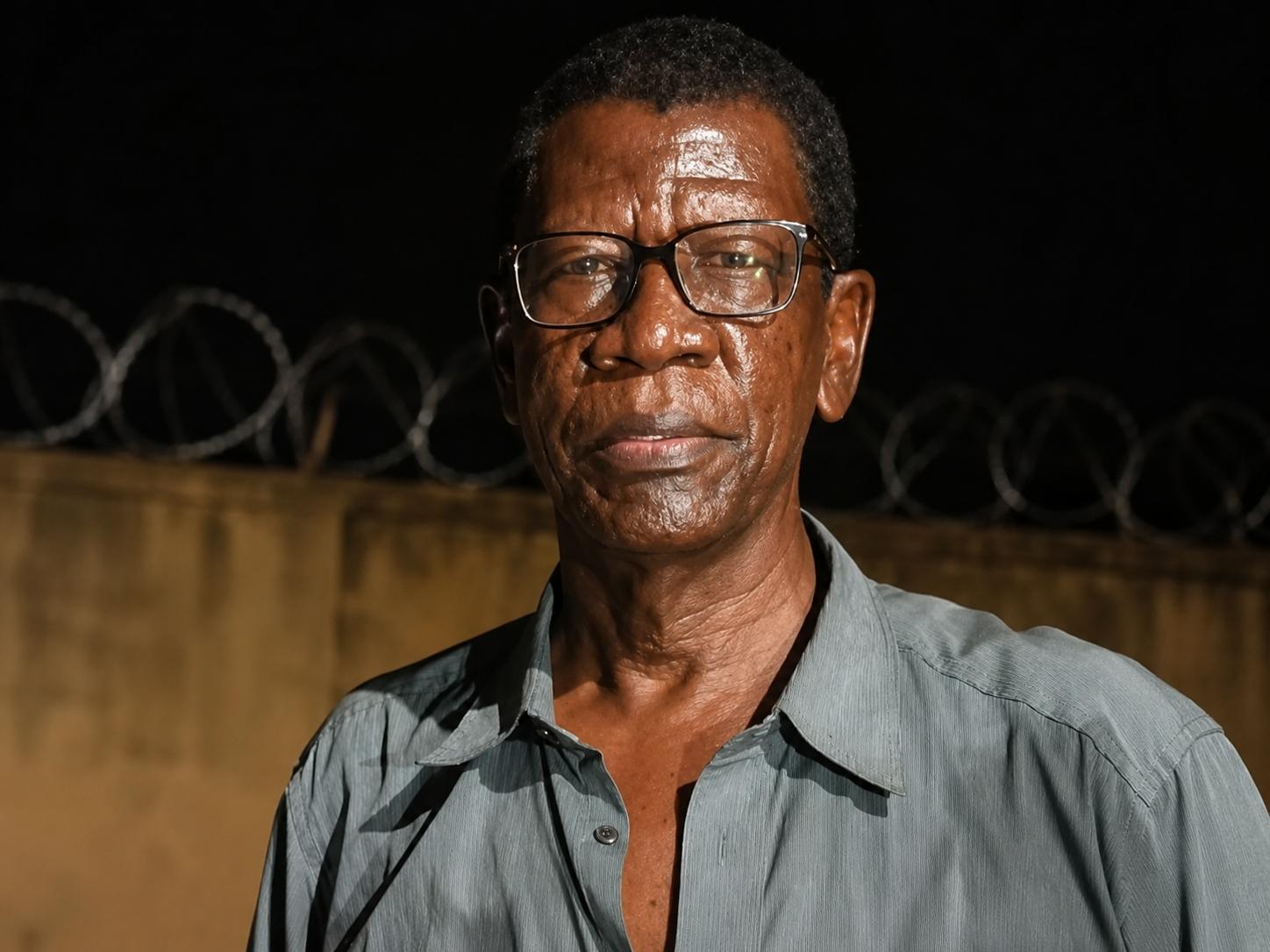

 Mariama Hamani