Boureima Amadou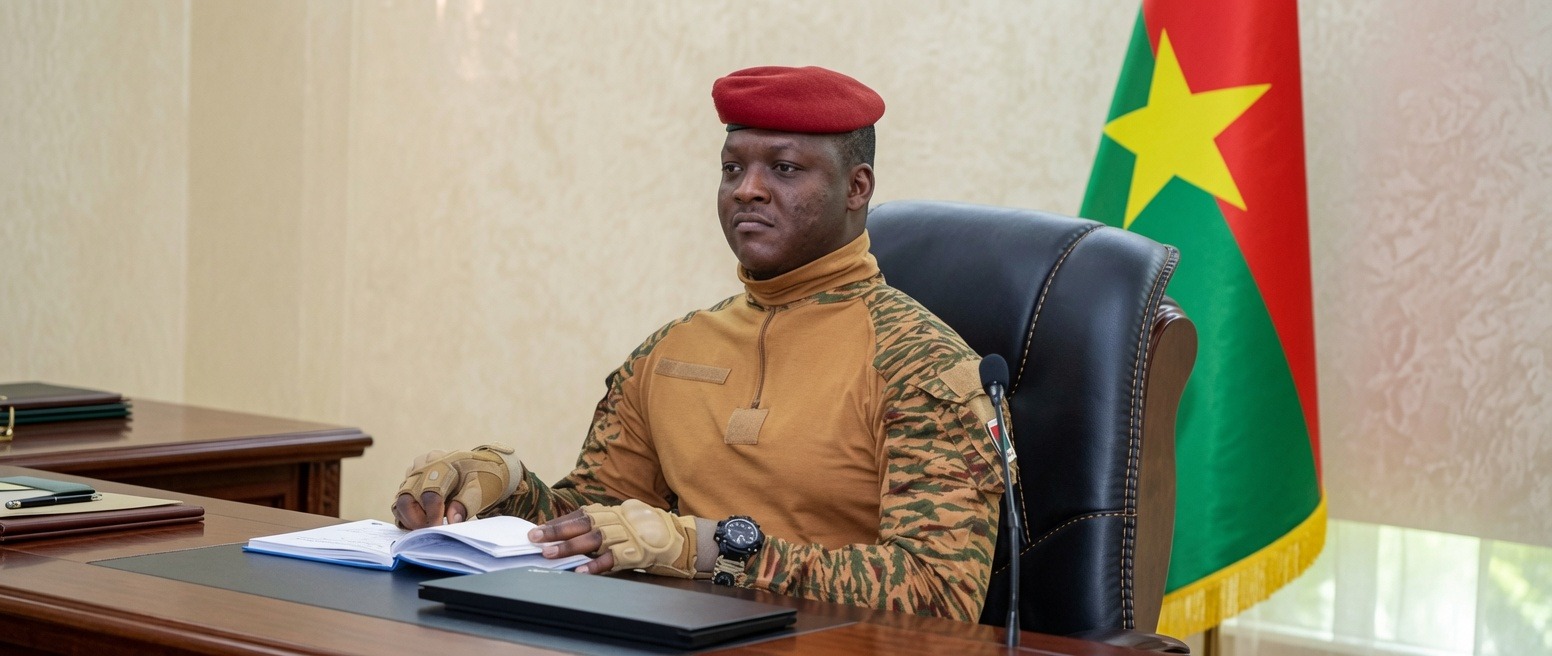
The Burkinabè transitional government has boldly declared that it now controls nearly 75% of the national territory, with official figures citing 74.53%. However, when examined against independent assessments, humanitarian reports, and the lived experiences of local communities, this narrative appears more like a political maneuver than a measurable military achievement.
Redefining control: a matter of semantics and strategy
To justify such a high percentage, the state employs an unusually broad interpretation of ‘control.’ A fleeting military presence, escorted convoys passing through an area, or even brief patrols by volunteer defense forces (VDP) are enough to classify a zone as ‘secured.’ Yet genuine territorial control demands more: uninterrupted governance, functioning judicial systems, unrestricted civilian movement, and persistent safety guarantees. In practice, armed groups like JNIM continue to exert asymmetric pressure, block critical roadways, and besiege key towns the moment military convoys withdraw.
Media restrictions and the suppression of contradictory data
The stark contrast between official claims and ground realities stems from a deliberate clampdown on information. Independent observers, local NGOs, and media outlets face severe restrictions or outright bans on publishing security assessments that contradict the government’s version. Accusations of ‘undermining troop morale’ are routinely leveled against those who challenge the narrative. Furthermore, no third-party or international body has been granted access to verify the Defense Ministry’s contested maps. Research institutions tracking Sahel conflict dynamics, including ACLED, consistently record elevated violence levels across vast stretches of Burkina Faso.
Humanitarian and social indicators contradict the official victory narrative
If 75% of the territory were truly secure and reintegrated into state control, one would expect a dramatic decline in crisis indicators. Yet available data tells a different story:
- Internal displacement crisis: Returns to original villages remain minimal and perilous. The number of internally displaced persons (IDPs) reliant on emergency aid remains dangerously high.
- Collapse of public services: Even in zones falsely labeled ‘under control,’ thousands of schools remain shuttered. Health workers refuse to return without ironclad security assurances, and civil administration struggles to function beyond protected provincial capitals.
The political logic behind the triumphalist rhetoric
This embellished narrative serves critical domestic political purposes:
- Legitimizing the transition: Proclaiming territorial gains helps justify prolonging the transitional period and the heavy burdens imposed on citizens, including new taxes and mobilization efforts.
- Distracting from tactical setbacks: Focusing on aggregate percentages obscures the recurring losses suffered by isolated military detachments and local defense groups (VDP) in the North, East, and Boucle du Mouhoun regions.


 Mariama Hamani