Boureima Amadou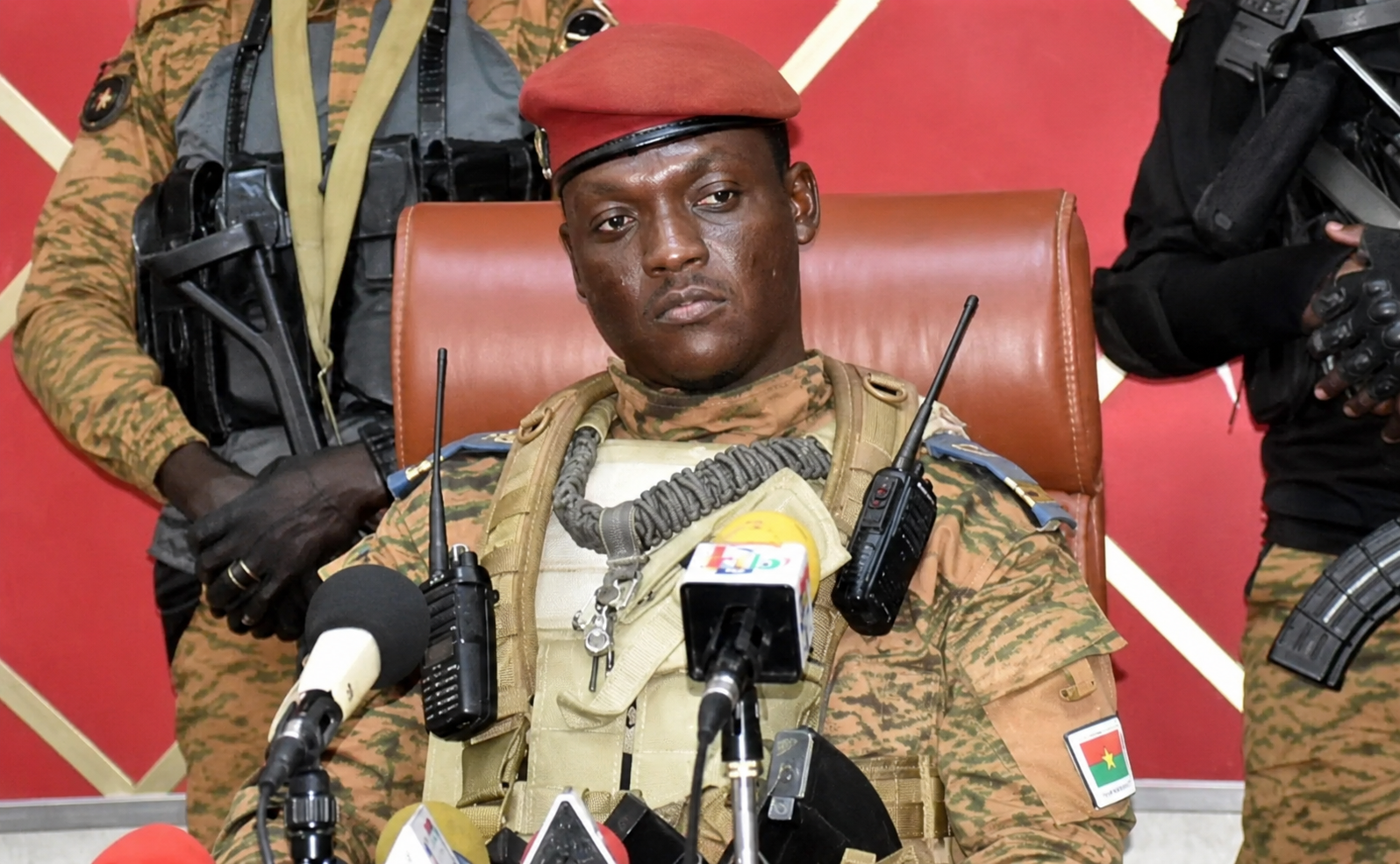
The attack that shook Burkina Faso
On September 26, 2022, a military convoy heading toward Djibo, a besieged town in northern Burkina Faso, fell victim to a devastating ambush in Gaskindé. The attack, claimed by the Group for the Support of Islam and Muslims (Jamaat Nusrat al-Islam wal Muslimin, or GSIM), an Al-Qaeda affiliate, left at least 37 dead—including 27 soldiers—and dozens injured. The scale of the assault sent shockwaves through the country, marking a turning point in both the security crisis and the political landscape.
A coup d’État born from bloodshed
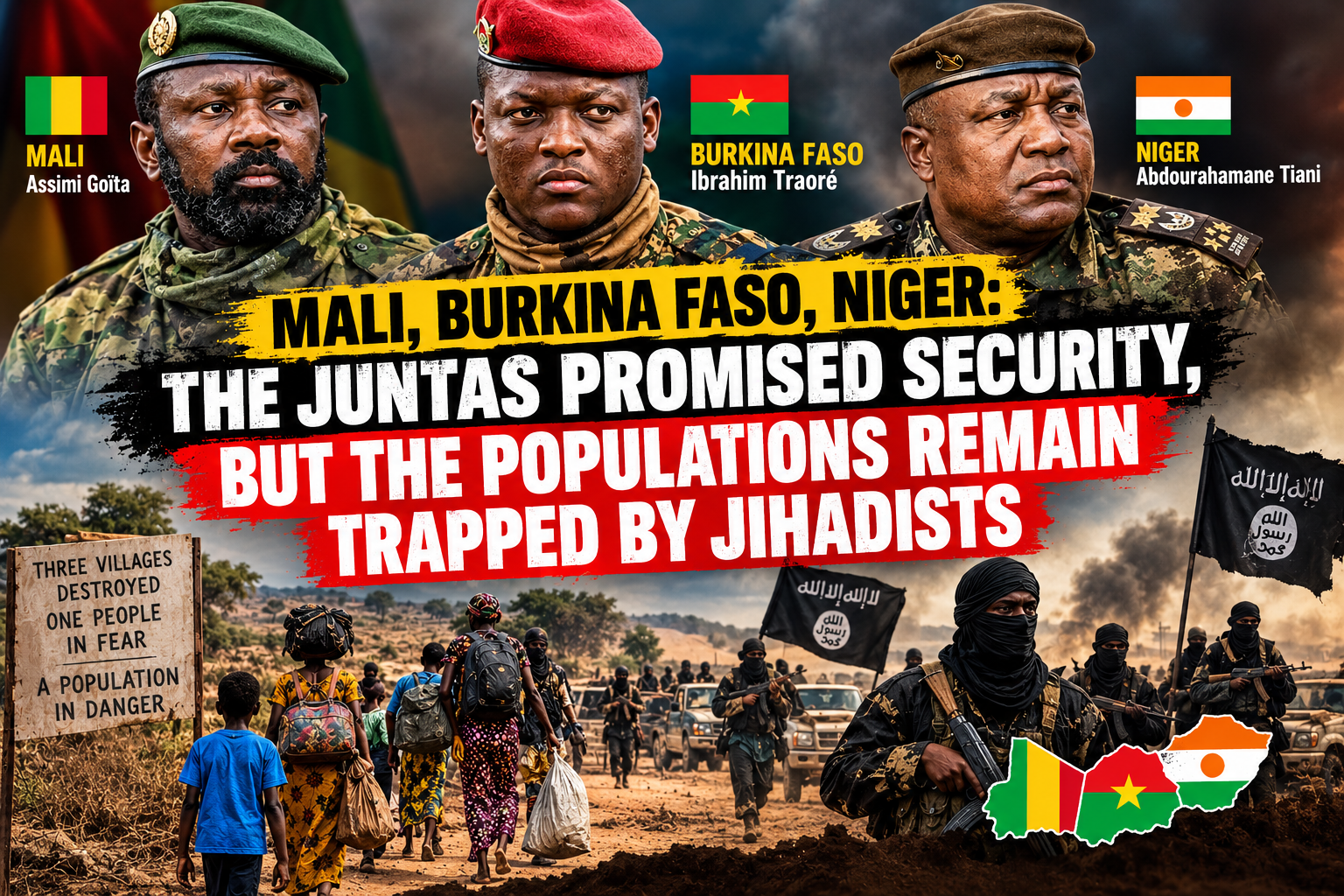
Four days after the Gaskindé attack, on September 30, 2022, Captain Ibrahim Traoré overthrew Lieutenant Colonel Paul-Henri Sandaogo Damiba in a swift military takeover. The timing of the coup, following so closely on the heels of the ambush, raised immediate questions about the circumstances surrounding the attack and its political fallout. While the military justified its intervention as a response to the escalating jihadist threat, the abrupt end of Damiba’s tenure left critical inquiries unanswered.
An investigation cut short
In the immediate aftermath of the ambush, military authorities announced the launch of internal investigations to uncover how such a well-coordinated attack could have occurred. Key concerns included:
- the attackers’ exceptional level of preparation;
- their precise knowledge of the convoy’s route;
- gaps in the military’s protective measures;
- possible leaks or internal complicity.
These were not minor details but questions that demanded thorough scrutiny. However, the coup interrupted the process before any public conclusions could be reached. Nearly two years later, no detailed official report has been released to clarify the tragedy’s circumstances.
A veil of institutional silence
In most nations facing a crisis of this magnitude, transparency is expected: independent inquiries, public reports, identification of responsibilities, and, where necessary, judicial action. In Burkina Faso, none of these steps have materialized. Three factors continue to fuel public skepticism:
- the lack of official disclosure on the investigation’s findings;
- no public accountability for potential internal failures;
- insufficient information for victims’ families to understand how their loved ones perished.
This opacity not only fuels speculation but also erodes trust between citizens and military institutions.
The politics of a tragedy
Gaskindé became a cornerstone of the argument that Damiba’s government had failed to secure the nation. Traoré’s coup was framed as a necessary intervention to address the spiraling insecurity. Yet a lingering question persists: if the new regime sought to correct past mistakes, why has it not pursued full transparency on one of the attacks that justified its rise to power?
A change in leadership should have been an opportunity to restore public faith by addressing unresolved questions. Instead, the absence of clarity has left a paradox: the very event that legitimized Traoré’s takeover remains shrouded in ambiguity.
Transparency as a pillar of governance
Leadership built on promises of reform cannot ignore its own obligations. A government that demands accountability from predecessors must also uphold the same standards. By failing to disclose the Gaskindé investigation’s findings, the military risks reinforcing perceptions of double standards—holding others to account while evading scrutiny itself. This inconsistency weakens institutional credibility and deepens public distrust.
The hidden costs of unaddressed failures
Counterinsurgency efforts in Burkina Faso, as in other conflict zones, are undermined when internal vulnerabilities are ignored. Jihadist groups often exploit systemic weaknesses: flawed intelligence, corruption, infiltration, or command disputes. The Gaskindé ambush exposed critical gaps in military operations. Addressing such failures is not just about justice—it is essential to preventing future tragedies.
An army’s strength depends on the trust between its ranks, its leadership, and the people it serves. That trust cannot endure when national tragedies remain unresolved.
The enduring demand for truth
Nearly four years after the attack, Gaskindé remains a painful chapter in Burkina Faso’s history. Families of the fallen, soldiers in the field, and citizens alike deserve clarity. Beyond political considerations, this is a matter of justice, remembrance, and public duty. History demonstrates that no nation can achieve lasting stability when critical events are left in darkness.
The people of Burkina Faso cannot move forward until the full truth of Gaskindé is uncovered through a credible, independent, and transparent inquiry. Only then can the victims’ families find solace, and the nation’s institutions regain the trust they have lost.