Boureima Amadou
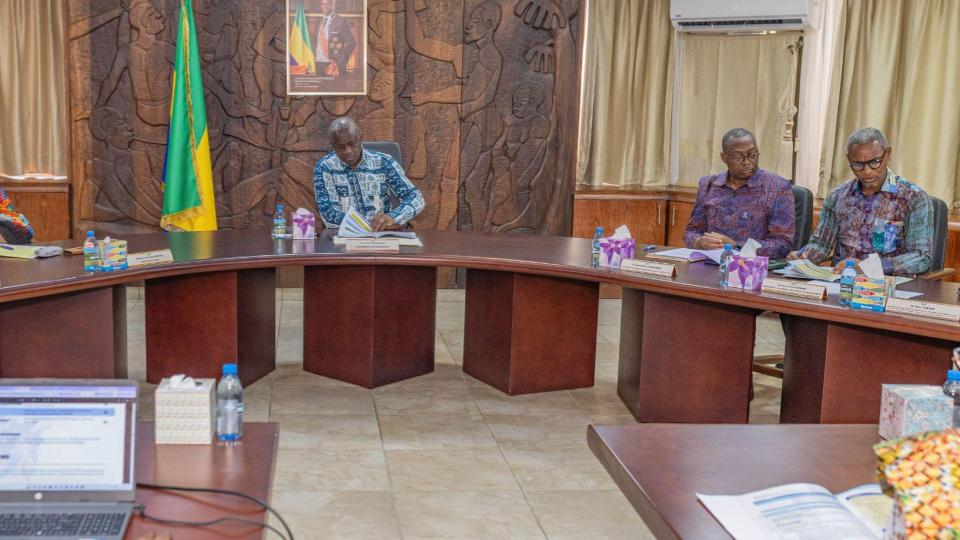
In a decisive move underlining Gabon’s strategic pivot, a high-level interministerial committee convened on November 6, 2026, under the leadership of Vice-President Hermann Immongault. At the heart of the gathering: the national symposium on iboga, spearheaded by Minister of Youth, Sports, Cultural Radiance, and the Arts Paul Ulrich Kessany. This landmark initiative signals the country’s determination to reclaim control over a plant that has evolved far beyond its traditional roots into a globally sought-after medicinal and cultural asset.
The urgency is clear. Once confined to spiritual and initiatory practices across Gabonese communities, iboga has become a focal point for modern medicine and international interest thanks to its psychoactive properties. With global demand surging, Gabon faces a critical inflection point—how to harness opportunity without surrendering its heritage or ecological integrity.
Crafting a sustainable future for iboga: tradition meets governance
The upcoming four-day national symposium is designed to unite stakeholders across sectors: health, forestry, research, economy, alongside NGOs, local cooperatives, and Indigenous communities. The primary goal is to develop a cohesive national strategy that aligns cultural preservation with ethical and legal frameworks.
Minister Kessany emphasized that the consultation will shape a fair economic and health model grounded in the Nagoya Protocol, which Gabon ratified in 2011. This means ensuring that any financial or scientific benefits from iboga first reach those who have safeguarded its traditional knowledge for generations.
From decree to destiny: securing iboga’s legacy
The symposium builds on a landmark decree issued on May 22, 2026, governing the research, exploitation, and commercial use of iboga and its derivatives. By formalizing the iboga sector, the government aims to curb overharvesting, prevent biopiracy, and foster equitable partnerships. The outcomes of the Assizes will not only guide Gabon in protecting its biodiversity but also reinforce national sovereignty over this sacred resource.
The stakes are monumental: balance progress with preservation, opportunity with authenticity, and global engagement with local stewardship. Gabon is not just responding to change—it is defining it.

 Mariama Hamani