Gabon refuses to host Trump’s expelled migrants
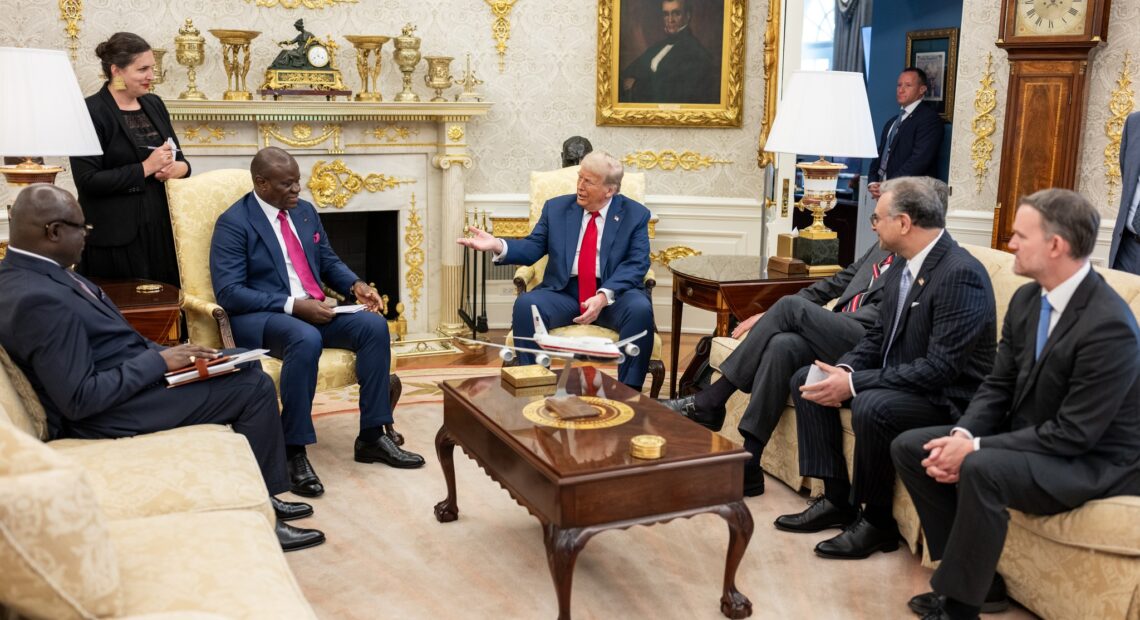
Libreville, June 4, 2026 — Gabon’s President Brice Clotaire Oligui Nguema has firmly rejected a proposal from the United States to accept migrants expelled under Washington’s immigration policies. His decisive stance underscores a broader commitment to national sovereignty and strategic autonomy.
The Gabonese leader made his position crystal clear during a public address, addressing a U.S. proposal that sought to relocate certain categories of expelled migrants to Gabon. With unwavering candor, he declared his refusal, emphasizing that such an arrangement would not align with the country’s interests.
« On this matter, we did not reach an agreement. I did not accept them in my country. I say this with complete transparency. Gabon is not prepared to sign an accord that offers us no benefits. The message is unambiguous, » President Oligui Nguema stated.
This bold refusal arrives amid a global tightening of migration policies, particularly in the United States, where the Trump administration has actively pursued agreements with third countries to offload portions of its deportation caseload.
The migration challenge on the global stage
Over recent years, migration management has emerged as one of the most pressing geopolitical challenges worldwide. Western nations, including those in Europe and North America, have increasingly sought to outsource the handling of migration flows to partner countries, often located in Africa and other regions. While some nations have acquiesced to such arrangements, Gabon’s refusal marks a significant departure from the trend.
Notably, Rwanda has entered into agreements with the United Kingdom to host deportees, while discussions have circulated regarding similar initiatives across the continent. Yet Gabon’s stance signals a different approach—one rooted in self-determination.
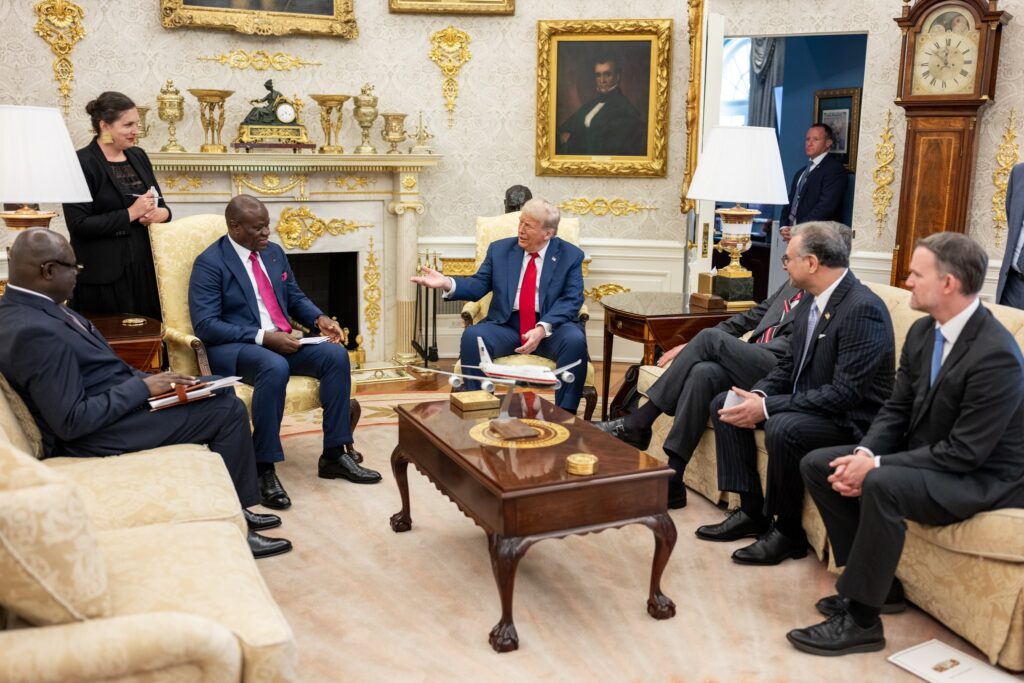
The Gabonese government’s decision does not, however, signal a rift with Washington. President Oligui Nguema took care to acknowledge the strong ties between Gabon and the United States, even playfully referring to Donald Trump as « my friend in the red tie. »
The message is clear: cooperation continues, but Gabon’s priorities remain its own.
Sovereignty as the guiding principle
This refusal is part of a broader pattern of policy decisions that reflect Gabon’s growing emphasis on asserting its autonomy. From renegotiating mining contracts to reclaiming strategic military assets, the government has consistently prioritized national interests.
Accepting expelled migrants would have posed significant administrative, social, and financial challenges for Gabon. As the country pursues an ambitious agenda of economic and social modernization, the leadership remains focused on addressing domestic needs first.
This position also resonates with widespread sentiment across Africa, where many view the continent as an inappropriate dumping ground for the migration problems of wealthy nations.
A balanced diplomacy
The true significance of Gabon’s move lies in its diplomatic subtlety. By rejecting a major power’s proposal without escalating tensions, Libreville has demonstrated that defiance and respect are not mutually exclusive.
This approach contrasts sharply with the confrontational dynamics often seen in other regions, where migration disputes frequently trigger diplomatic crises. By publicly refusing while maintaining a respectful discourse toward Washington, President Oligui Nguema has positioned Gabon as a sovereign state capable of defending its interests without resorting to hostility.
For international observers, this decision highlights a broader shift in Africa’s engagement with global powers. While partnerships remain essential, African nations are increasingly asserting their right to participate in negotiations on their own terms.
Beyond the immediate issue of migration, Gabon’s message is unequivocal: it remains open to the world but will not permit external actors to dictate decisions that shape its future. In an era of global fragmentation, this assertion of sovereignty may well become a defining feature of Gabonese diplomacy in the years ahead.

Boureima Amadou
Journalist
Mariama Hamani
- Top Stories
- October 20, 2026
- 51 views
Real Madrid vs RB Leipzig: a chilling Champions League clash that could define Madrid’s season
With the Champions League table hanging in the balance, the Santiago Bernabéu will host a pivotal clash between Real Madrid and RB Leipzig on Tuesday, October 21, 2026. The stakes…
Boureima Amadou
- Top Stories
- October 1, 2026
- 231 views
Moussa Kaka’s month-long disappearance in Niger: the widening toll on citizens, commerce and public trust
One month of silence, and a country left guessing In Niger, the pressure on independent journalism has now stretched past the one-month mark, and the consequences are rippling far beyond…