Mariama Hamani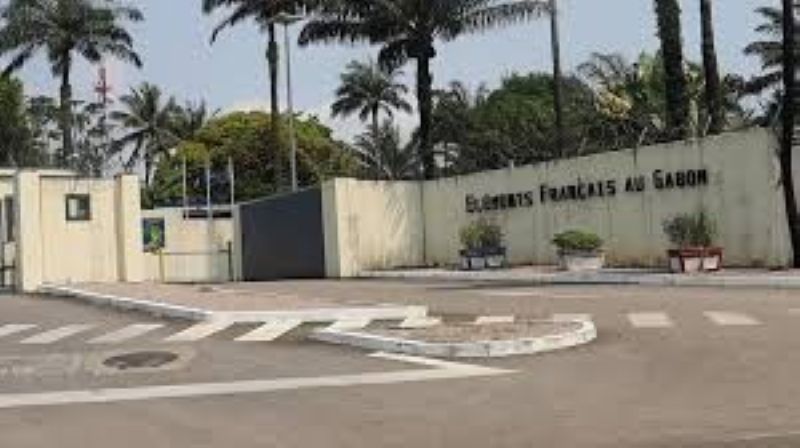
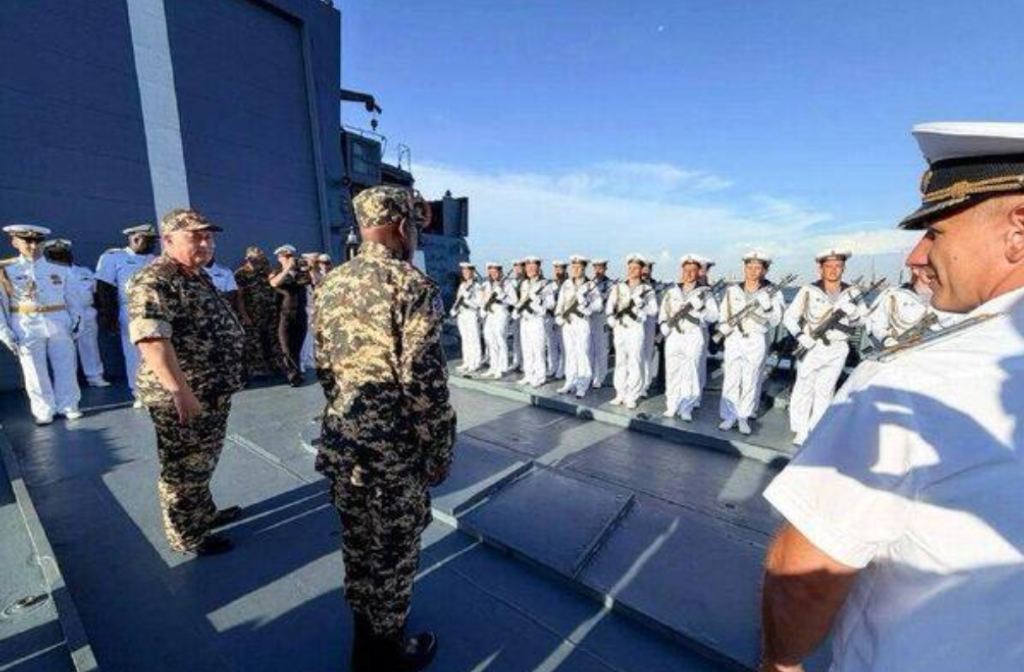
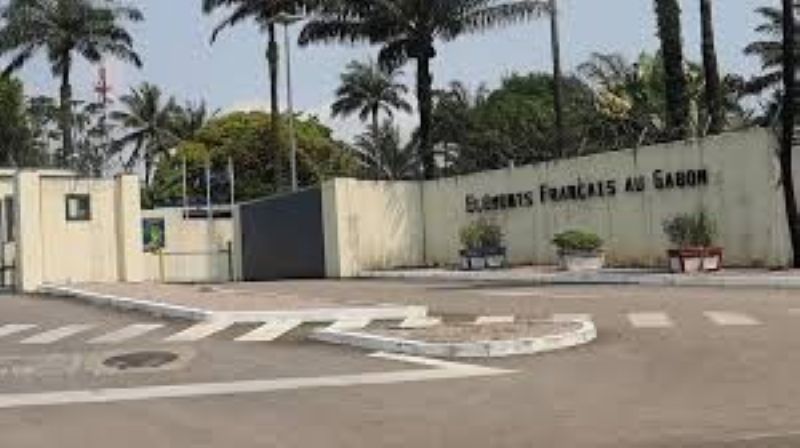
Libreville — In a move that signals a profound shift in national identity, President Brice Clotaire Oligui Nguema has announced that the iconic Camp de Gaulle will soon be renamed. This decision is not merely a change in signage; it represents a new era for Gabon as it navigates its historical legacy and future strategic goals.
A departure from colonial military legacy
For decades, Camp de Gaulle served as the primary symbol of French military presence in Gabon. Established during the post-independence era, it was a cornerstone of a security framework designed to maintain regional stability. However, the political landscape of Africa in 2026 has evolved significantly since the 1960s.
Across the continent, there is a growing demand for national sovereignty and the reclaiming of strategic infrastructure. Gabon is no exception to this trend. The transition of this military site to Gabonese control marks the conclusion of a long historical chapter, though it is being handled with diplomatic care rather than a sudden rupture.
A collaborative transition unlike the Sahel
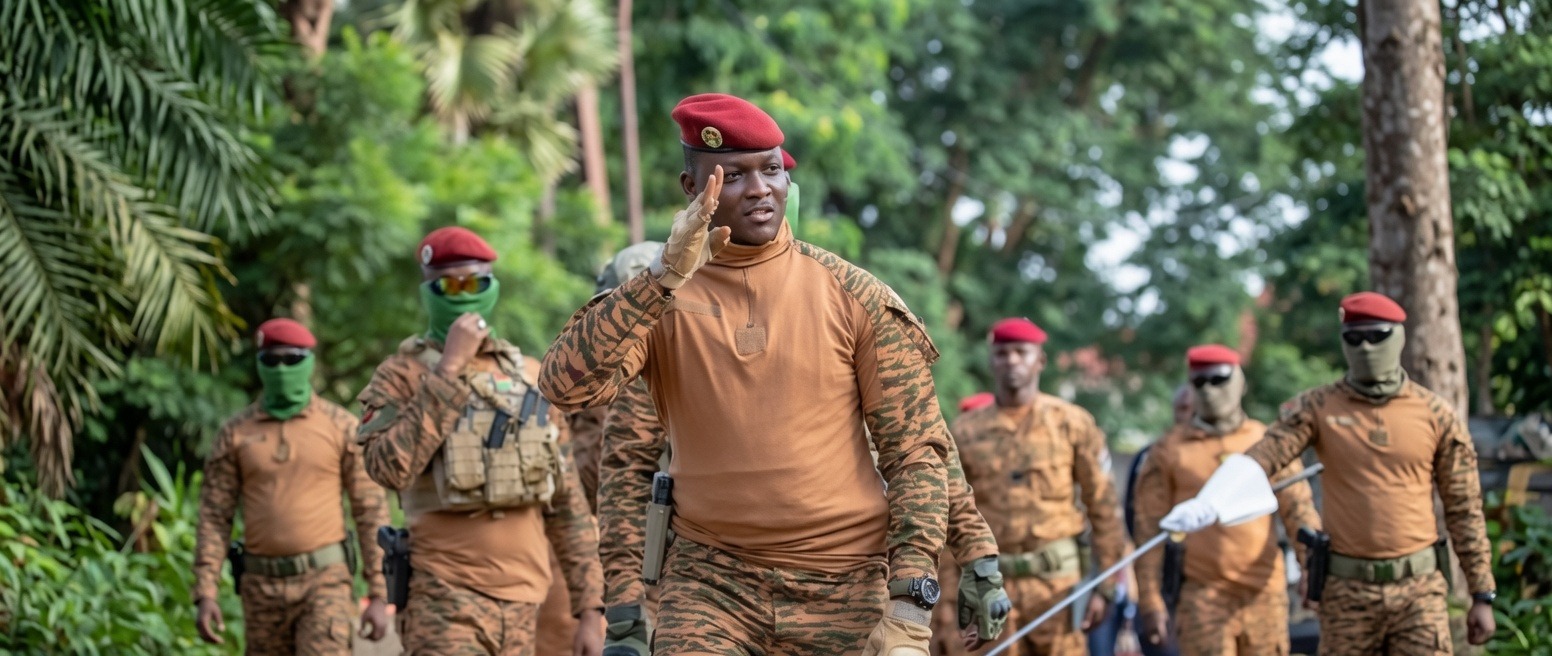
President Brice Clotaire Oligui Nguema was careful to distinguish Gabon’s path from recent events in the Sahel. While nations like Mali, Burkina Faso, and Niger experienced tense military withdrawals, the restructuring of the Franco-Gabonese military partnership is happening through mutual agreement. No diplomatic crisis has shadowed this change.
Military cooperation between the two nations remains active but is undergoing a fundamental transformation. The permanent troop presence has been phased out, making way for a smaller team of approximately 100 specialized instructors. This shift reflects a global move toward military partnerships that prioritize the transfer of expertise and training over the physical stationing of foreign armies.
Developing future African defense leaders
The most significant aspect of this transformation is the site’s new purpose. The former Camp de Gaulle is being repurposed into a premier training hub for the defense and security forces of Gabon and its African partners. This vision extends beyond national borders.
As threats like organized crime and maritime security challenges in the Gulf of Guinea rise, the need for high-level military training is critical. Gabon aims to establish itself as a regional center of excellence, fostering the professionalization of African military personnel to meet modern security demands.
Sovereignty through national symbols
The renaming of the base is perhaps the most symbolic part of this evolution. By choosing to name the facility after a Gabonese hero, the government is actively reclaiming the national narrative. Renaming a landmark is a powerful way to define which values and figures are passed down to future generations.
Replacing a colonial-era figure with a national icon demonstrates Gabon’s commitment to building its own story while maintaining a balanced relationship with its traditional partners. This move is not a rejection of international ties but an assertion of political maturity. Ultimately, the change signifies a new vision of Gabonese sovereignty taking root on the continent.

 Boureima Amadou