Boureima Amadou
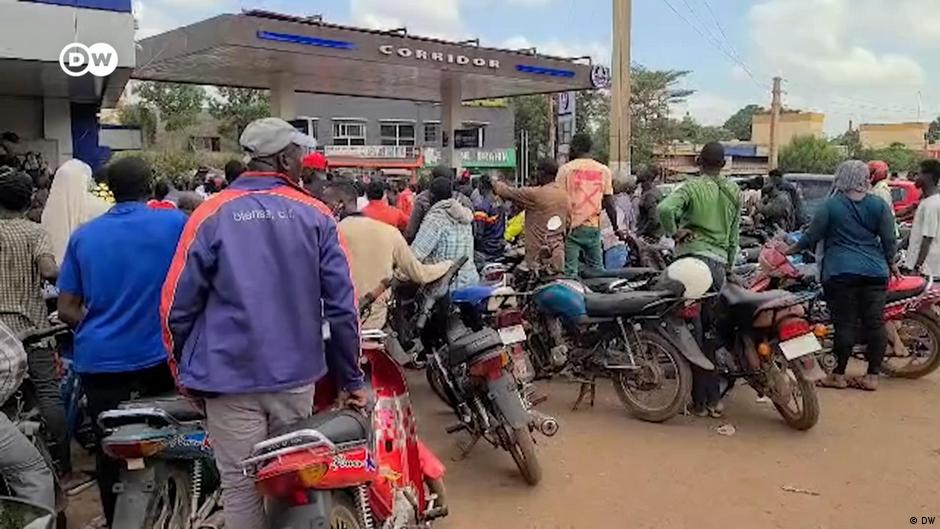
For nearly a year, the central Malian city of Ségou has been grappling with a severe fuel shortage that has brought daily life and economic activity to a near standstill. Residents and business owners alike are struggling to secure basic necessities as petrol supplies remain inconsistent and prices soar.
The crisis stems from irregular fuel deliveries, which arrive in the city only two to three times per month. These convoys, escorted by the Malian Armed Forces, transport fuel from Bamako, over 200 kilometers away. Despite each delivery bringing more than a dozen tanker trucks, the vast majority of the fuel is diverted to industrial producers and Énergie du Mali (EDM), the national electricity provider. This leaves just a handful of trucks to supply local gas stations, whose reserves are typically exhausted within 48 hours.
Chronic shortages fuel black market trade
With gas stations frequently running dry, informal vendors have stepped in to fill the gap. In neighborhoods across Ségou, motorists now pay between 2,000 and 5,000 West African CFA francs per liter—far above the regulated price. Locals suspect that opportunistic traders are exploiting the crisis, selling fuel from unregulated sources without fear of consequences.
Everyday life disrupted by fuel scarcity
The fuel crisis has taken a toll on transportation and commerce in Ségou. Public transit, particularly the popular katakatani tricycles, has seen fares double from 100 to 200 francs CFA, making daily commutes unaffordable for students, teachers, and workers. Market activity has also slowed, with fewer goods moving in and out of the city.
In response, the Malian Armed Forces have intensified road patrols to intercept vehicles carrying large quantities of fuel to distant locations. Yet despite these efforts, residents continue to demand a lasting solution to a crisis that shows no signs of abating.