Boureima Amadou

Kinshasa has categorically rejected a newly announced partnership between the European Union and Rwanda, which aims to establish a processing hub for rejected asylum seekers from five European countries. This agreement, involving Germany, Austria, Denmark, Greece, and the Netherlands, marks a significant shift in regional migration policy that could have profound implications for Central Africa and the broader African continent.
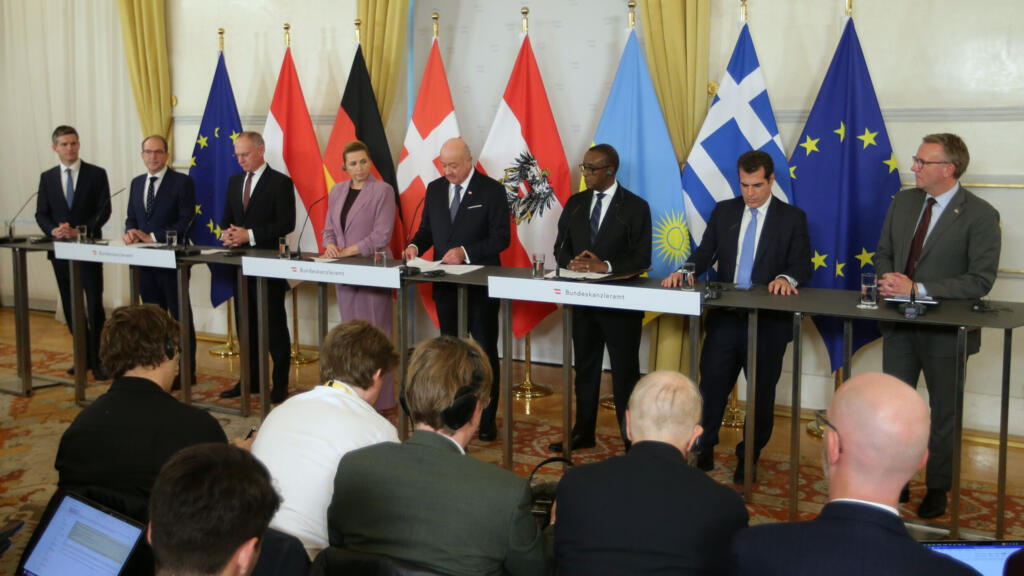
Why the Democratic Republic of Congo is leading the opposition to this migration deal
The DRC’s government has slammed the brakes on this initiative, warning that it threatens regional sovereignty and could destabilize the fragile security balance in Central Africa. Kinshasa argues that this partnership bypasses established international protocols and undermines the country’s authority over migration flows passing through its territory. The DRC’s position stems from concerns that the Rwanda-based center could become a backdoor channel for European migration policies to influence African affairs without proper regional consultation.
A controversial shift in Europe’s migration strategy
This initiative represents a bold departure from traditional European migration policies, which have historically relied on external processing centers in North Africa. By choosing Rwanda—a country over 6,000 kilometers from Europe—Brussels is signaling a new approach that raises critical questions about accountability, human rights standards, and the long-term impact on African-European relations. Critics argue that this deal could set a dangerous precedent where wealthy nations delegate their migration challenges to African states while providing minimal support for the associated burdens.
The humanitarian concerns behind the political storm
- Human rights violations: Human rights organizations have expressed grave concerns about Rwanda’s track record in handling vulnerable populations, particularly regarding access to fair asylum procedures.
- Sovereignty erosion: The DRC contends that this deal could compromise its national security by creating parallel structures over which it has no oversight.
- Economic implications: Economists warn that while Rwanda might benefit from financial incentives tied to hosting the center, neighboring countries like the DRC could face unintended economic consequences.
Historical context: lessons from past migration deals
This isn’t the first time Europe has attempted to outsource its migration challenges. Previous arrangements with countries like Libya and Turkey have drawn widespread condemnation for enabling human rights abuses. The Rwanda deal mirrors these past controversies but introduces a new dimension by operating in a region already grappling with political instability. Unlike past agreements, this initiative occurs in Sub-Saharan Africa, where the geopolitical stakes are even higher due to existing tensions between neighboring nations.
What’s next for Central Africa’s migration policies?
The DRC’s vocal opposition positions it as a key player in shaping the region’s response to this deal. Regional organizations like the Economic Community of Central African States (ECCAS) may be forced to take a stand, potentially leading to a unified African stance on migration partnerships with Europe. Meanwhile, Rwanda finds itself at a crossroads, balancing potential economic gains against diplomatic fallout that could affect its relationships with neighboring states.
As Europe doubles down on this strategy, the coming weeks will reveal whether this turning point will generate the necessary momentum for meaningful reforms in how migration is managed between continents—or if it will exacerbate existing tensions and create new challenges for Africa’s development.


 Mariama Hamani