Mariama Hamani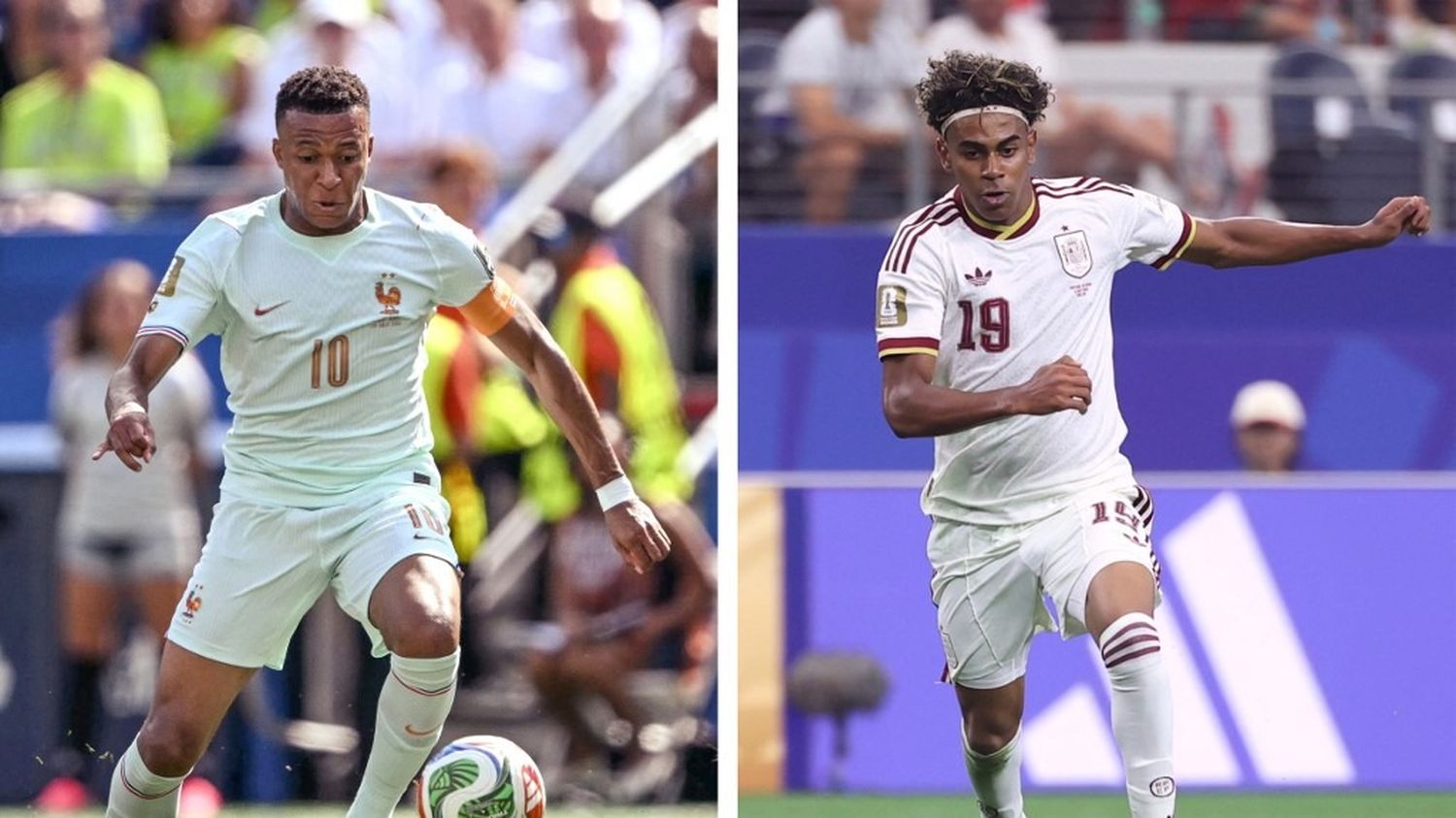
France vs Spain semifinal: why this 2026 world cup clash is dubbed ‘the final before its time’
For the third consecutive major tournament, France and Spain face off in the semifinals—this time in the 2026 world cup.
“It’s not an exaggeration to call this match the final before its time.” Spanish manager Luis de la Fuente made no secret of his team’s ambitions ahead of Tuesday’s showdown with France in the 2026 world cup semifinals. “The clear favorites? Spain, without a doubt,” echoed Didier Deschamps even before the tournament began.
Both sides have justified their status as tournament favorites, arriving in the semifinals with only one defeat between them in recent competitions—most notably at Euro 2024 and the 2025 UEFA Nations League, where Spain knocked France out on both occasions. Now, the world cup stage will decide which team advances to the final, but why does this semifinal feel like more than just another match?
Because these teams boast the tournament’s stingiest and most attacking defenses
Through five games, France and Spain have conceded just two goals each, placing them at the top of the defensive charts. Only Colombia has conceded fewer (one goal), but they were eliminated in the round of 16. Spain, in particular, has been flawless defensively, keeping five consecutive clean sheets. Argentina and England, by contrast, have each conceded six goals and logged only two clean sheets apiece. Yet neither France nor Spain has relied solely on defense—they’ve also been relentless in attack.
This could be a spectacular match.
Didier Deschamps, France manager
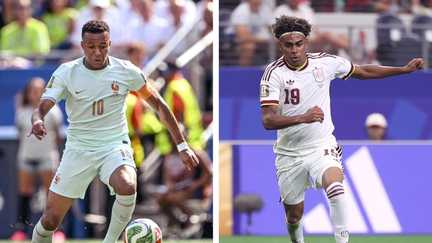
FIFA’s stats underscore their offensive firepower: the two teams have combined for 110 shots on goal, second only to Belgium’s 112. Argentina and England lag behind with 98 and 94 attempts, respectively. While efficiency hasn’t always been their strong suit—Spain has scored just 11 goals (the fewest among semifinalists) compared to France’s 16—both teams possess world-class playmakers. Lamine Yamal and Michael Olise lead the charge in creativity, with the latter ranking as the tournament’s top assist provider (five assists).
Because the benches could decide the outcome
Spain’s Mikel Merino embodies the depth that has kept the team afloat in tight matches. Coming off the bench against Portugal in the round of 16 and Belgium in the quarterfinals, he delivered the winning goal in stoppage time against Portugal and the late equalizer against Belgium. With Merino, Ruiz, Gavi, Baena, Rodri, Zubimendi, and Pedri, Spain’s midfield is a well-oiled machine where every player can slot into multiple roles without missing a beat. Rodri, the 2024 Ballon d’Or winner, sits at the heart of it all, orchestrating play with 629 passes—the highest tally in the tournament so far. Lamine Yamal may have scored just once, but his dribbling opens spaces for teammates like Oyarzabal (four goals), Ferran Torres, Dani Olmo, and Nico Williams, who has returned from injury.
France’s bench has been just as impactful. Bradley Barcola, introduced against Senegal in their opening match, scored within two minutes to lift a tense French side, then netted again as a starter against Sweden in the round of 16. Désiré Doué, another substitute, earned a penalty against Paraguay after entering in the 9th minute, while Manu Koné, Malo Gusto, Warren Zaïre-Emery, and Rayan Cherki have all stepped up when needed.
Because the rivalry has reached a boiling point
After a period of dominance in the late 2000s and early 2010s, Spain’s “tiki-taka” era faded—until a resurgence in 2024, when they claimed the European Championship by defeating France in the semifinals. A year later, Spain nearly repeated the feat in the UEFA Nations League semifinals, overturning a 5-1 deficit to win 6-5. “We know their potential, but we’re the only team to have beaten them in two semifinals,” De la Fuente noted. “If anyone should be feared, it’s us. We’ve eliminated them before—let’s see what happens this time.”
Lamine Yamal, never one to shy away from bold statements, echoed that confidence: “We’re not afraid of anyone. We’ve beaten them before, and we’ll do it again.” France’s Ibrahima Konaté responded, “He’s just trying to psyche us out. We shouldn’t fall for it, especially at this stage of the tournament.” History offers a cautionary tale: in 2006, an overconfident Spanish side—boasting eight Barcelona players in its squad—fell to France in the World Cup round of 16. This time, with Mbappé and Tchouameni in the French lineup and eight Barcelona players in Spain’s, the stakes feel higher than ever.

 Boureima Amadou