Boureima Amadou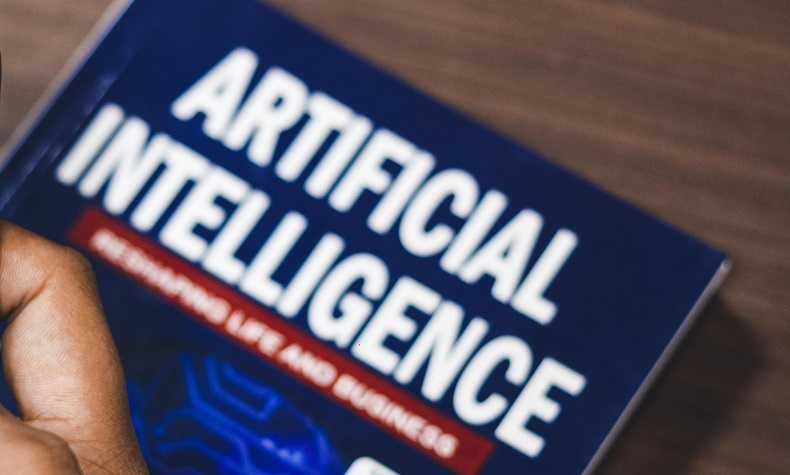
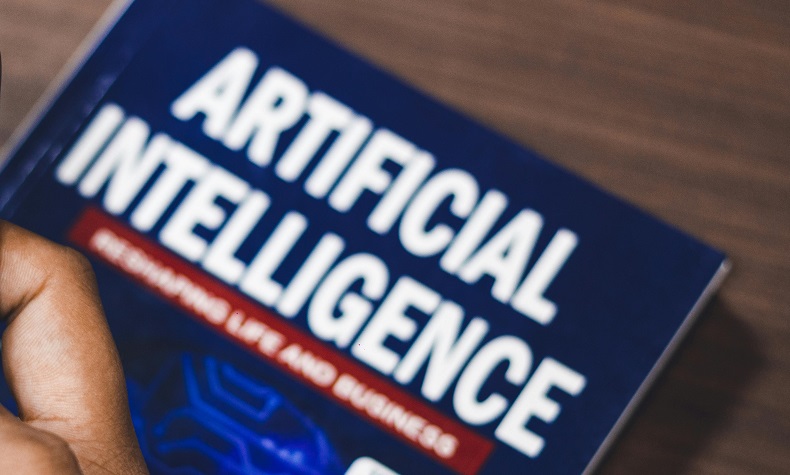
As each technological revolution unfolds, the same dilemma arises: should we prioritize regulation to protect or innovation to advance? While Europe leans toward risk management and the United States relies on market-driven dynamics, Africa is forging a distinct path. The continent views artificial intelligence not merely as a tool, but as a strategic asset capable of driving development, digital sovereignty, and resilience. Amid economic ambitions, cybersecurity imperatives, and governance challenges, a fresh approach to AI governance is taking shape.
Innovation over restriction: Africa’s pragmatic stance
As the European Union rolls out its AI Act and the United States continues to champion market-led innovation, African nations are crafting a unique trajectory. This isn’t merely about regulatory lag—it reflects a deliberate strategy: leveraging AI governance as a driver for economic growth, digital sovereignty, and social transformation.
With rapid population growth, pressing infrastructure needs, and accelerating digital transformation, many African states see artificial intelligence not as a technology to be controlled, but as an accelerator for addressing structural challenges. This perspective is now supported by the African Union’s Continental Strategy on Artificial Intelligence (2025–2030), which promotes ethical, inclusive, and contextually relevant AI adoption across the continent.
Leapfrogging development with AI
Africa’s ability to bypass traditional developmental stages has already been demonstrated through mobile financial services. Now, artificial intelligence presents another leapfrogging opportunity. Early applications are already making an impact in high-impact sectors:
- Agriculture: predictive models optimize crop yields, forecast droughts, and improve natural resource management in regions where traditional farming practices dominate.
- Healthcare: AI-powered diagnostic tools, telemedicine platforms, and automated medical imaging analysis expand access to care in underserved areas with limited healthcare professionals.
- Finance: artificial intelligence enhances financial inclusion by enabling alternative credit scoring models and expanding access to digital banking services.
This approach emphasizes practical, problem-solving innovation over purely technological performance.
Digital sovereignty: securing Africa’s AI future
Beyond applications, Africa’s AI discourse is deeply intertwined with the concept of digital sovereignty. Researchers have long warned of algorithmic colonialism—a scenario where data, computational infrastructure, AI models, and economic value remain predominantly controlled by foreign actors. The risk? Africa could become a mere supplier of data and digital labor, while reaping little of the value generated.
To counter this, several national strategies focus on:
- building local digital infrastructure;
- unlocking the economic value of homegrown data;
- establishing regional data centers;
- supporting African AI research;
- developing language models that reflect Africa’s linguistic and cultural diversity.
This vision aims to reduce technological dependency while strengthening local innovation capacities.
A flexible, evolving governance framework
Contrary to common perceptions, most African states are not attempting to replicate Europe’s comprehensive regulatory models. Instead, they are progressively strengthening existing legal frameworks—particularly those governing data protection, cybersecurity, telecommunications, and financial services.
This incremental approach offers multiple benefits:
- avoiding the creation of new administrative structures;
- enabling gradual capacity building among national authorities;
- supporting innovation without stifling local ecosystems.
Countries like Kenya, Rwanda, Nigeria, South Africa, and Morocco are developing their own AI roadmaps while participating in regional initiatives led by the African Union and regional economic communities. This diversity reflects a regulatory landscape still in formation, yet united by a shared commitment to balance innovation, citizen protection, and economic development.
Cybersecurity and AI: a strategic imperative
The rise of artificial intelligence has elevated cybersecurity to a top priority across Africa. As governments, financial institutions, telecom operators, and critical infrastructure increasingly adopt AI-driven solutions, the digital attack surface expands significantly.
African organizations now face a new generation of threats:
- AI-assisted cyberattacks;
- hyper-personalized phishing campaigns;
- deepfake-based identity theft;
- automated attacks on critical infrastructure;
- data poisoning and adversarial attacks targeting AI models.
Yet AI also serves as a powerful defense tool. Security Operations Centers (SOCs) are integrating behavioral analytics, anomaly detection, automated incident response, and alert prioritization. These technologies help bridge the cybersecurity skills gap plaguing many African nations.
However, this evolution demands robust governance. Securing datasets, protecting AI models, ensuring supply chain integrity, managing risks from foundation models, and aligning with international standards (such as ISO 42001, ISO 23894, NIST’s AI Risk Management Framework, and OWASP’s LLM guidelines) are becoming cornerstones of national cybersecurity strategies.
For Africa, the challenge is clear: building a trustworthy cyber-resilience framework capable of sustaining the continent’s digital transformation journey.
A third way in global AI governance?
Africa’s experience reveals that there is no single model for AI governance. Between Europe’s risk-focused approach and the U.S.’s innovation-driven strategy, the continent is charting a middle course—one where governance acts not as a constraint, but as a catalyst for development, digital sovereignty, and resilience.
The success of this model hinges on several factors: strengthening digital infrastructure, nurturing local talent, investing in research, enhancing cybersecurity capabilities, and fostering an ecosystem capable of producing its own data, models, and solutions. If these conditions are met, Africa could not only accelerate its digital transformation but also help shape a more inclusive, balanced, and contextually relevant global AI governance framework—one that harmonizes innovation, security, ethics, and sovereignty.

Fadhel GHAJATI, GRC Manager at METSYS



 Mariama Hamani