Boureima Amadou
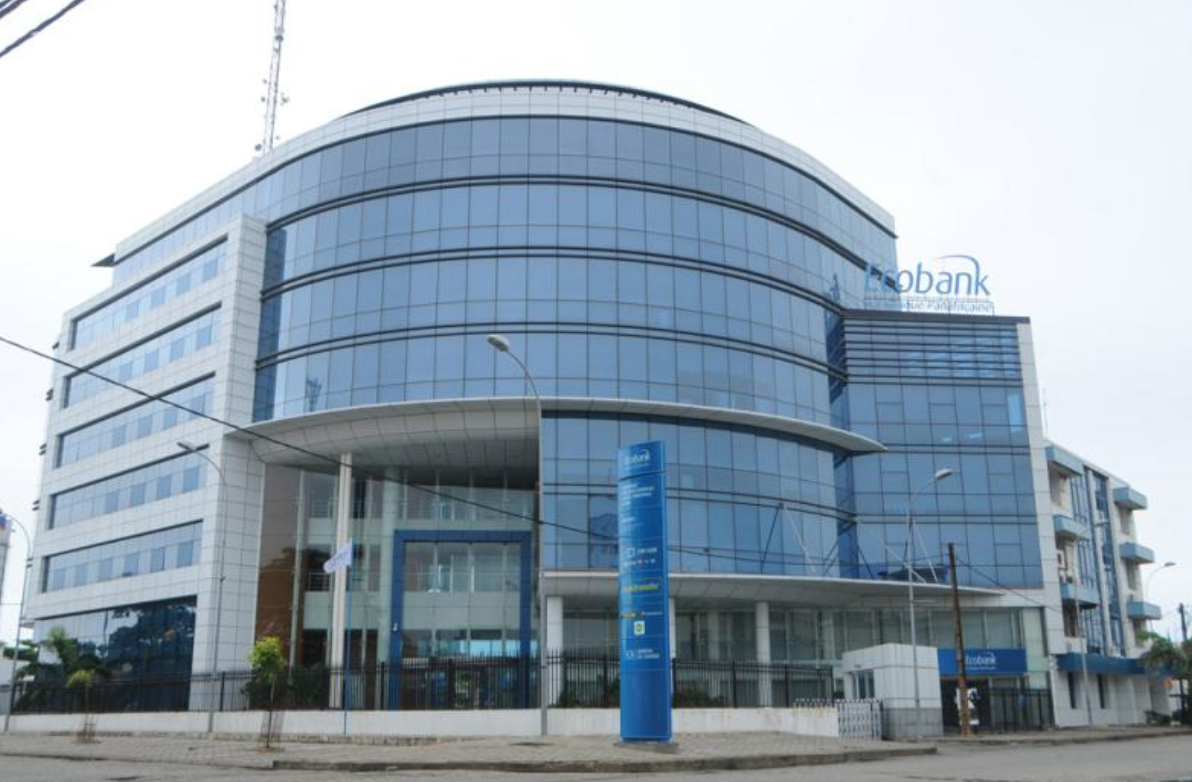
Benin has reached a decisive turning point in its economic development, marked by a landmark announcement from Ecobank. The pan-African banking group has committed to funding strategic national projects with an unprecedented amount of $230.8 million (138.5 billion FCFA), a move that underscores growing financial confidence in the West African nation.
From trust to action: how Benin is capitalizing on financial credibility
The timing of this announcement is no coincidence. It follows a high-level meeting between Jeremy Awori, Ecobank Group CEO, and Benin’s President, Romuald Wadagni, during which both parties discussed the country’s development priorities and how to deepen financial collaboration. This engagement builds on existing financial commitments, pushing Ecobank’s total funding and investment portfolio for Benin to 630 billion FCFA—a figure that reflects the depth of the partnership between the two entities.
The concept of “good standing”—a term that encapsulates a nation’s financial credibility—has never been more relevant for Benin. In an era where African economies face substantial financing gaps, a government’s ability to demonstrate fiscal responsibility, transparent governance, and consistent debt management becomes a critical asset. This commitment from Ecobank serves as a strong endorsement of Benin’s economic trajectory and its potential to attract further investment.
A multi-sector boost for national development
The proposed funding will target several key sectors identified as critical for Benin’s long-term growth. Infrastructure development will remain at the forefront, with investments aimed at improving transportation networks, energy access, and digital connectivity. However, the scope extends far beyond large-scale projects:
- Agriculture and food security: Modernizing farming techniques, improving supply chains, and increasing productivity to enhance national food sufficiency.
- SME expansion and innovation: Providing accessible financing solutions to small and medium-sized enterprises to stimulate job creation and economic diversification.
- Women’s economic empowerment: Targeted financing programs to support female entrepreneurs, fostering inclusive growth and reducing gender disparities in economic participation.
- Cross-border trade facilitation: Strengthening financial infrastructure to enable Beninese businesses to capitalize on opportunities within the African Continental Free Trade Area (AfCFTA).
While the full list of projects remains to be finalized, the framework signals a major shift in how Benin plans to finance its development agenda—leveraging private sector partnerships to complement public investment.
Ecobank’s regional strategy: bridging Benin to African markets
Beyond direct state financing, Ecobank is positioning itself as a catalyst for Benin’s integration into the broader African economy. With operations spanning 33 African countries, the banking group aims to provide Beninese businesses with the tools they need to expand regionally. This includes facilitating cross-border payments, offering trade finance solutions, and enabling seamless transactions across the continent.
Jeremy Awori emphasized the strategic importance of this approach: “Our pan-African network is uniquely positioned to support Benin’s vision of becoming a regional trade hub. By reducing financial barriers and providing innovative payment solutions, we empower local businesses to compete and thrive in the AfCFTA market.”
This regional focus aligns with Benin’s broader economic strategy, which seeks to reduce reliance on imports and boost non-oil export sectors such as agriculture, textiles, and light manufacturing.
A solid foundation: Ecobank Benin delivers strong financial results
The announcement arrives on the heels of remarkable financial performance for Ecobank’s Beninese subsidiary. In the fiscal year 2025, the bank reported a pre-tax profit of 22.61 billion FCFA and a net profit of 18.96 billion FCFA, representing a 19% year-on-year increase. This growth was driven by expanding revenue streams and improved risk management, culminating in shareholder approval during the annual general meeting held in Cotonou on April 30, 2026.
The subsidiary’s return on equity (ROE) stood at 35%, significantly outperforming the national banking average of 15.2% and the West African Economic and Monetary Union (WAEMU) average of 16.1%. Credit portfolio indicators also reflected strong performance, with a risk cost of 0.29% and a NPL ratio of 1.94%, compared to national averages of 4.1% and WAEMU’s 9.1%. These benchmarks highlight the bank’s operational efficiency and financial stability, providing a solid foundation for its expanded commitments.
Digital transformation: the silent engine of economic growth
Ecobank Benin has been at the forefront of digital banking adoption in the country. In 2025, transactions on Ecobank Mobile and Ecobank Online surged by 62% in volume and 84% in value, with corporate clients driving a 43% increase in digital payments. The bank’s prominence in the regional instant payment system (PI-SPI) further solidifies its role in modernizing Benin’s financial infrastructure.
As the sole Beninese bank offering the Business PI-SPI API, Ecobank enables companies to integrate instant payments directly into their ERP systems. This innovation streamlines financial operations, reduces administrative burdens, and enhances cash flow management—critical factors for SMEs navigating competitive markets.
Beyond declarations: turning pledges into tangible outcomes
The $231 million commitment is not a mere financial injection—it represents a structural shift in Benin’s economic development model. For the government, the challenge will be to translate this pledge into high-impact, job-creating projects that align with national priorities such as infrastructure, education, and healthcare. Transparency in project selection, competitive bidding processes, and measurable impact assessments will be essential to ensure long-term benefits.
For Ecobank, the focus shifts from policy commitment to operational execution. The bank must now design tailored financial products, manage risk prudently, and maintain open communication with stakeholders to ensure successful disbursement and utilization of funds. The timeline for disbursements, interest rates, and repayment structures will play a crucial role in determining the initiative’s success.
As Benin embarks on this new chapter, one thing is clear: the confidence placed in its economic management by a major financial institution like Ecobank is a powerful catalyst. It signals to other investors that the country is not just open for business—it is ready to lead with innovation, responsibility, and ambition. The real test, however, will be in the execution. The coming months will reveal whether this financial promise translates into sustainable growth, inclusive development, and a stronger position for Benin within the African economy.
What’s next for Benin’s economic vision?
The path forward will require coordinated efforts between public institutions, private enterprises, and international partners. Key questions remain unanswered for now: Which specific projects will receive funding? What mechanisms will be put in place to ensure equitable access to credit, particularly for women and rural communities? And how will digital innovation be leveraged to create a more inclusive financial ecosystem?
The answers to these questions will shape Benin’s economic narrative in the years to come. What is certain is that Ecobank’s commitment has set the stage for a turning point—one where financial trust meets action, and where potential begins to translate into progress.