
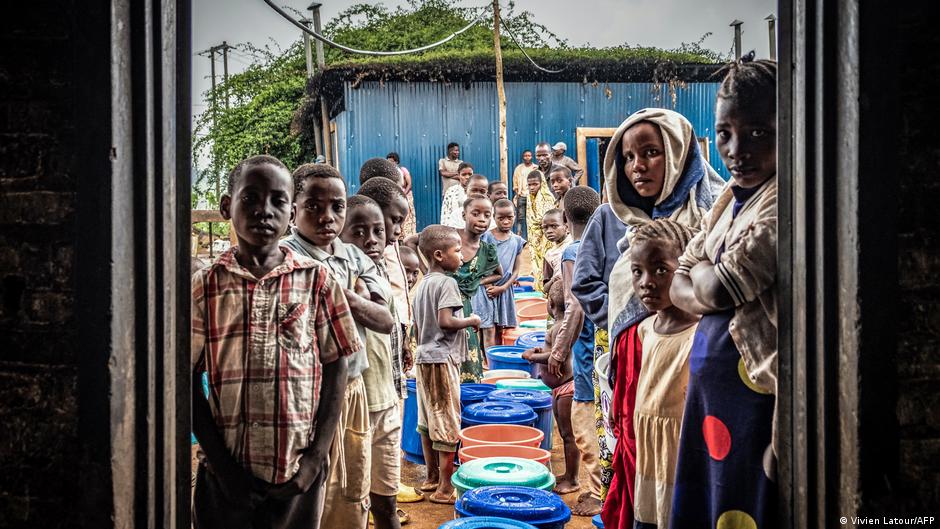
The eastern regions of the Democratic Republic of the Congo (DRC) remain trapped in a cycle of escalating violence, where the fundamental principles of international humanitarian law are increasingly disregarded. Despite repeated pledges from national authorities and international partners, civilians continue to bear the brunt of unrelenting armed confrontations.
The International Committee of the Red Cross (ICRC) has intensified its advocacy for stricter adherence to these critical legal frameworks, emphasizing the urgent need for widespread education and enforcement. In a recent initiative, the organization convened a high-level conference in Kinshasa to address the growing crisis and mobilize collective action.
When war’s rules fail to shield the vulnerable
On the ground, the reality is stark: international humanitarian law, though widely recognized, is frequently ignored. This neglect leaves populations—particularly women and children—exposed to horrific abuses. The situation has reached alarming levels, with sexual violence becoming a systematic weapon of war.
“The scale of sexual violence is staggering. Every minute, women, girls, and even children—though less frequently men—suffer these atrocities,” explains Julienne Lusenge, a prominent human rights activist and co-founder of the Female Solidarity for Integrated Peace and Development (SOFEPADI). She stresses that accountability remains elusive, with perpetrators rarely facing consequences. “To date, no international case has ever been successfully prosecuted. This must change—we need urgent, decisive action against sexual violence crimes.”
Trials as both justice and deterrence
Lusenge underscores the critical role of strengthening security forces and dismantling armed factions to safeguard civilian lives. Meanwhile, the military justice system asserts its commitment to prosecuting soldiers accused of human rights violations. General Jean-Paul Tshayikolo, a military magistrate at the High Military Court, highlights the dual purpose of these legal proceedings: punitive and educational.
“Within our ranks, there are both honorable and unethical elements. Our military leadership strives for excellence, but achieving zero impunity is an ongoing challenge. Military justice serves a broader purpose: when a soldier is tried, the verdict educates the entire corps. These courts have consistently delivered verdicts—statistics don’t lie.”
Conflict’s complexity fuels humanitarian law breaches
The eastern DRC is a battleground for over 200 armed groups, predominantly active in North Kivu, South Kivu, Ituri, and, to a lesser extent, Tanganyika. The fluid alliances among these factions create a web of responsibility that is nearly impossible to untangle, further complicating efforts to hold violators accountable.
The blurring of lines between combatants and civilians—another cornerstone of international humanitarian law—exacerbates the crisis. This ambiguity not only hampers judicial proceedings but also perpetuates a culture of impunity, allowing atrocities to persist without consequence.
More Stories
Gabon unveils bold biodiversity strategy to protect 30% of its land
Marseille faces atletico madrid in final pre-season clash
Cameroon in crisis as president biya’s prolonged absence fuels power vacuum fears