Mariama Hamani
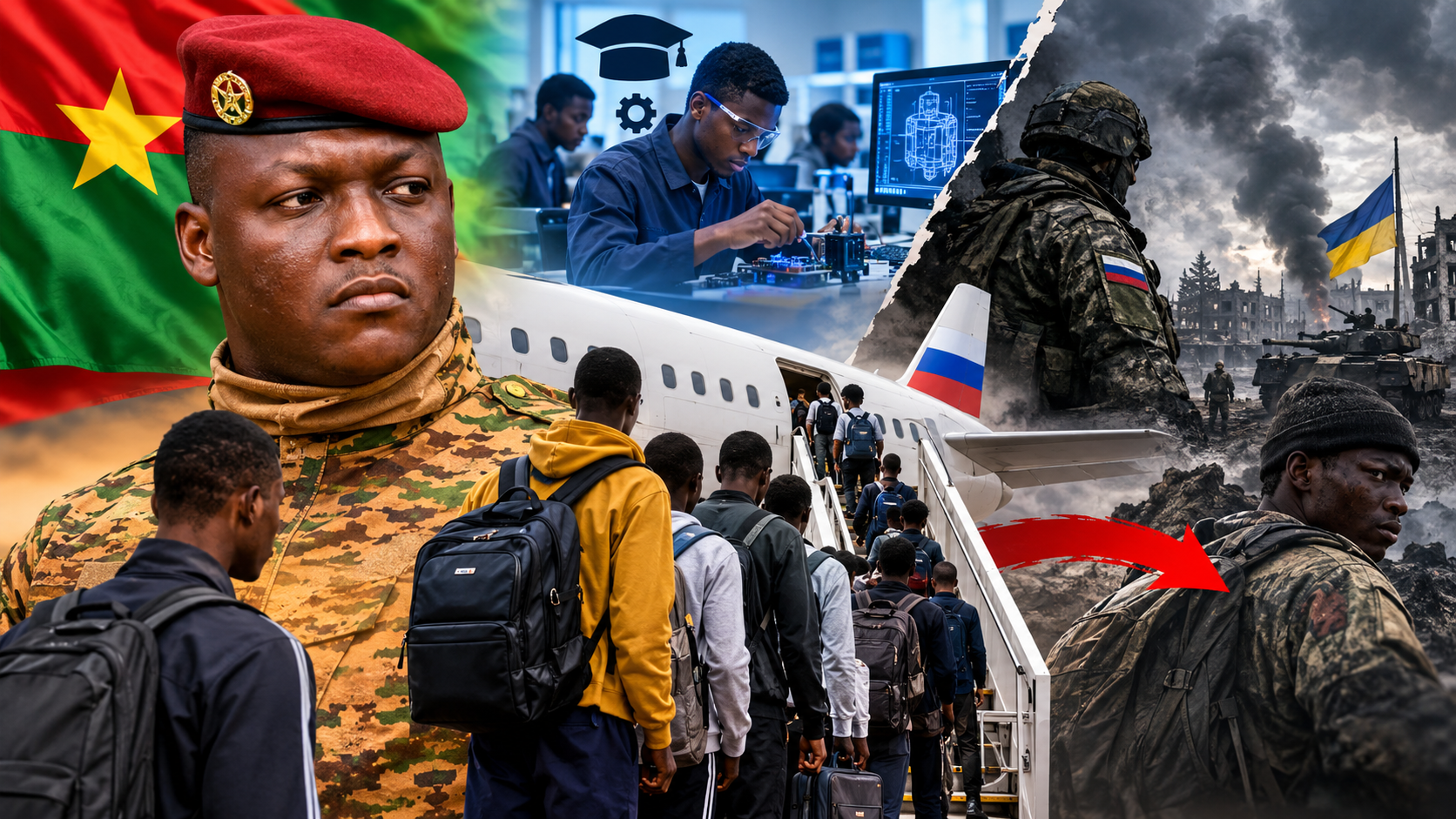
As Burkina Faso prepares to dispatch a new cohort of young citizens to Russia under the banner of advanced technological training, a pivotal question looms over the initiative: is this a genuine opportunity for progress or a high-stakes gamble with unforeseen consequences?
From promises to peril: the shifting narrative of youth development
Just months ago, the current leadership in Ouagadougou championed a vision of educational sovereignty, vowing to cultivate homegrown expertise within the nation’s borders. The emphasis was clear: Burkina Faso’s future would be built by its own people, trained in its own institutions, and equipped to drive the country’s technological and economic growth.
Yet the recent announcement of a training program in Russia marks a stark departure from this stance. Critics question why the same government, which once prioritized national training hubs, now sees Moscow as the destination for its youth. If the capacity to educate and innovate exists domestically, why send students abroad especially to a nation entangled in a prolonged and devastating conflict?
Russia’s shadow: training grounds or recruitment fronts?
The backdrop of Russia’s war in Ukraine casts a long shadow over this initiative. Reports from other African nations have highlighted cases where students or job seekers sent to Russia were ultimately coerced or misled into military roles. Families in Burkina Faso have every right to demand clarity: will their children be trained in engineering and technology, or could their skills be repurposed for a front they never chose?
Without transparent agreements, verifiable safeguards, and clear assurances on the nature of the training, the program risks becoming a conduit for exploitation rather than empowerment. The government must address these concerns head-on.
Broken pledges and unanswered questions
For a leadership that once condemned foreign dependency in education, the shift to sending students to Russia is jarring. Where are the universities or technical schools in Burkina Faso that could absorb this investment? How many students will participate, and what guarantees exist for their safety and future employment? Most critically, what legal or contractual protections will prevent their involvement in military activities?
The absence of concrete answers only deepens the unease. The stated goal of building national capacity appears to have been sidelined in favor of an uncertain arrangement with a foreign power embroiled in war. Families deserve more than vague assurances they need binding commitments and accountability.
Protecting the future: a government’s duty
The primary responsibility of any government is to safeguard its people, especially its youth. Sending young citizens abroad without ironclad protections is not just a policy misstep it is a abdication of that duty. Burkina Faso’s leaders must demonstrate that this program is about education, not conscription.
If the goal is truly to equip the next generation with cutting-edge skills, then the investments should be made at home. Universities, research centers, and vocational schools in Burkina Faso are the rightful stages for this transformation. Relying on foreign soil for such a critical mission introduces risks that far outweigh the potential benefits.
The families of these young Burkinabè deserve transparency, security, and the peace of mind that their children will return home with knowledge not as casualties of a war they never fought.
By Mariama Hamani — Journalist

 Boureima Amadou