Mariama Hamani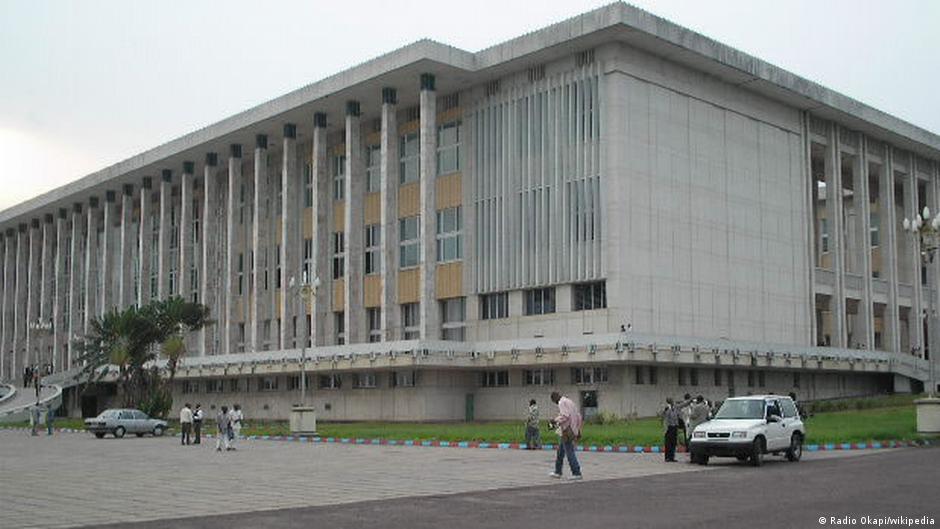
Congo’s referendum law sparks debate over popular sovereignty
The newly adopted referendum law has drawn sharp criticism from opposition figures who argue President Félix Tshisekedi is attempting to secure a third consecutive term.
Yet supporters of the bill view it as a strengthening of popular sovereignty, while others warn it may conflict with the existing constitutional framework.
For reform advocates, the legislation’s primary goal is to reinforce democratic principles. In Kinshasa, some legal experts agree. Maria Eloyi, a constitutional lawyer, explains that “since the Constitution is the people’s voice, any changes or amendments must go through a referendum, the people’s chosen method. No one should bypass this process—not for political convenience, but because certain constitutional articles genuinely require updating.”
Disconnect from public priorities
This argument resonates with some Congolese citizens. Placide Lukeka, a young resident of Kinshasa, shares his perspective: “I’ve always supported constitutional reform because real change is long overdue. Those who claim this is purely political manipulation are mistaken. Moving to a new Republic could bring the progress our nation desperately needs.”
Legal challenges ahead
Others remain unconvinced. Ange Aloki, a local activist, questions the timing and relevance of the referendum debate: “I’m not convinced. With so many urgent issues facing the country, why focus on this now—two years before elections? Where were they when the Constitution needed changing all these years?”
Constitutional concerns
The debate extends beyond politics into legal territory. Several constitutional scholars argue that popular sovereignty cannot be exercised outside the boundaries set by the Constitution itself.
Godefroy Mwanabwato, a lawyer based in Tshopo Province, believes the Constitutional Court may strike down parts—or all—of the new law after parliamentary review. “This court has the power to remove any provisions that exceed the legislature’s authority to regulate referendums,” he states.
Political opposition to the law remains strong. Opposition lawmakers walked out during its parliamentary debate, and their leaders have called for a city-wide strike on June 3 and a sit-in this Friday, June 13.

 Boureima Amadou