
 Boureima Amadou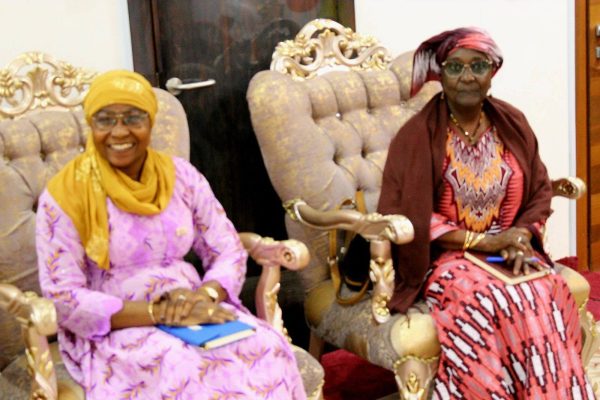
Niamey, June 9, 2026 — Niger is taking bold steps to elevate its global profile by championing the nomination of Nafissatou Idé Sadou to the UN Committee on the Elimination of Discrimination against Women (CEDAW). The initiative, spearheaded by the Advisory Council for Refoundation (CCR), saw Dr. Mamoudou Harouna Djingarey, its chairperson, receive a dedicated delegation in Niamey the previous day. The group is rallying support for Sadou’s candidacy, aiming to secure a seat for Niger in this prestigious international body.
Civil society joins forces to amplify Niger’s voice at the UN
At the heart of this campaign is Nafissatou Idé Sadou, a prominent figure leading the NGO Femmes Action et Développement (FAD). Her supporters have formed a coalition to drive her nomination forward. During their meeting at the CCR headquarters, delegates reviewed progress made so far and strategized on broadening public and institutional engagement to strengthen Sadou’s bid.
Why Nafissatou Idé Sadou’s UN role matters for Niger
The push for her nomination is more than a symbolic gesture; advocates argue it represents a strategic opportunity for Niger. A successful candidacy would not only highlight the country’s homegrown expertise but also amplify its influence in global discussions on gender equality. The initiative underscores Niger’s commitment to advancing women’s rights on the international stage and integrating its perspectives into key policy debates.
Strengthening Niger’s diplomatic footprint through leadership
Dr. Djingarey emphasized the broader implications of this effort during the meeting. He urged the committee to persist in their advocacy, stressing the importance of showcasing Niger’s human capital as a driver of its international influence. The gathering was attended by CCR leadership, including General Rapporteur Abdou Moustapha and Cheikh Hassane Abdoulaye, Secretary of the Justice and Human Rights Commission, reflecting the high-level backing for the initiative.
If elected, Nafissatou Idé Sadou would not only represent Niger but also contribute to shaping global policies on gender equality and combating discrimination. Her potential role in CEDAW would reinforce Niger’s diplomatic voice, particularly in forums dedicated to human rights and social justice. This move aligns with the country’s long-term strategy to secure greater representation in international institutions and amplify its stance on critical global issues.


 Mariama Hamani




