- Politique
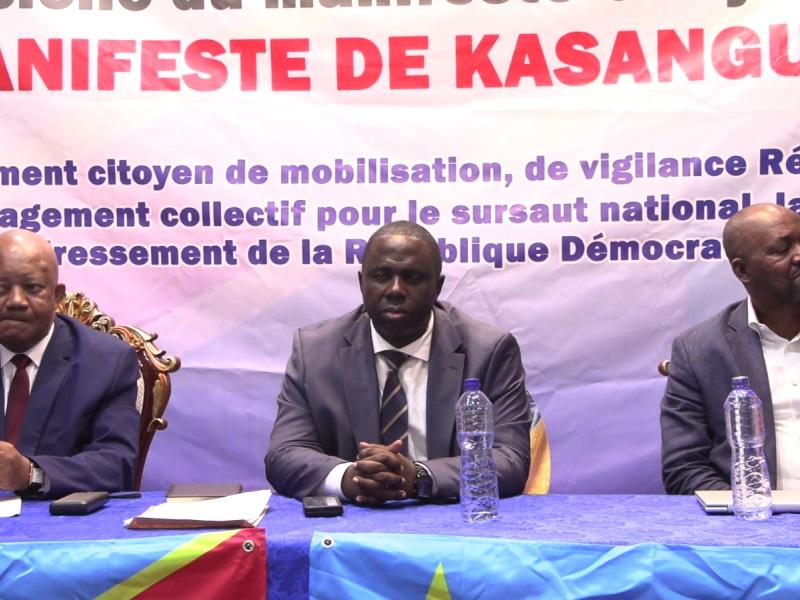
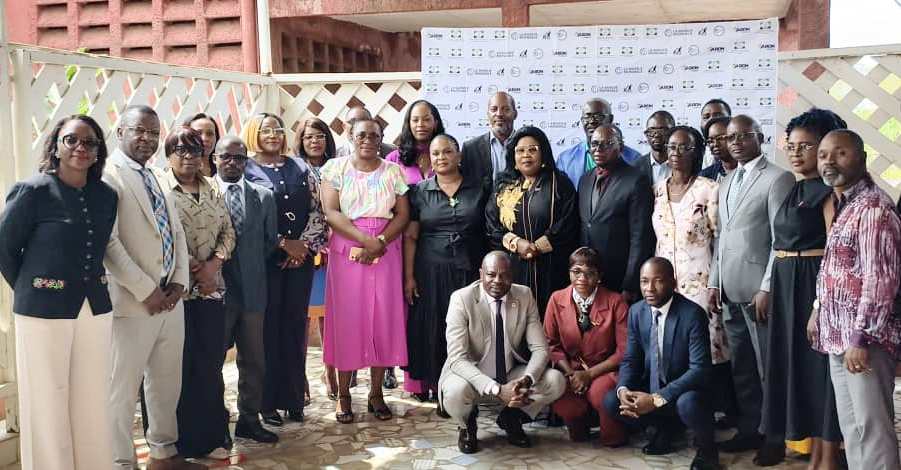
In a significant move for the Democratic Republic of Congo, a coalition of civil society organizations, led by the Crisis Committee of Civil Society for Peace and Security in the Democratic Republic of Congo (CCPS-RDC), officially introduced the « Manifeste de Kasangulu » on Friday, June 26, 2026, in Kinshasa. This pivotal document is presented as a citizen roadmap designed to guide the nation’s refoundation and recovery, offering a collective response to the multifaceted political, security, economic, social, and institutional challenges confronting the country.
The « Manifeste de Kasangulu » emerged from an inclusive, participatory process that brought together representatives from various provinces. It outlines a shared vision for national transformation, built upon pillars of responsible governance, enduring peace, robust security, social justice, active citizen participation, quality education, accessible healthcare, sustainable economic development, environmental protection, and a strengthened rule of law.
The unveiling ceremony commenced with opening remarks from Ms. Sylvie Nakweti, Director of Communication, Advocacy, and Documentation for DYCOD-RDC, who lauded the unwavering commitment of civil society organizations to this initiative for national renewal. Professor Iyoka Jean Bedel subsequently elaborated on the Manifeste’s foundation, emphasizing its inclusive and educational approach, intended to provide the Democratic Republic of Congo with a comprehensive framework for reflection and action towards its rebuilding.
« The Citizen Manifeste is the outcome of a pedagogical and inclusive process, aiming to equip the Democratic Republic of Congo with a basis for reflection and action for its resurgence, » Professor Iyoka affirmed.
Me Patient Bashombe Matabishi, Coordinator of the CCPS-RDC, then formally presented the document, underscoring the historical importance of this endeavor. He highlighted the profound crisis currently gripping the nation, necessitating a unified national mobilization. Matabishi clarified the document’s name, explaining that « Manifeste de Kasangulu » was chosen because the commission responsible for its development held its sessions in Kasangulu.
« We launched today the Citizen Manifeste, known as the Manifeste de Kasangulu, because it was in Kasangulu that the commission’s work for its elaboration took place. This manifesto articulates civil society’s vision for Congo’s recovery. We all agree that our country is enduring a historic crisis. The question, therefore, is how to overcome it. The Citizen Manifeste aims to be both a response and a pathway forward for Congo’s recovery and refoundation, » explained Me Patient Bashombe Matabishi.
He further elaborated on the symbolic timing of the launch, occurring just days before the celebration of national independence.
« The choice of date is highly symbolic, as it precedes June 30th, our nation’s Independence Day. We sought to contribute to the national discourse, but more importantly, to raise awareness among every Congolese citizen about their responsibility to history. This debate should not be confined solely to political actors. Congo belongs to all Congolese. Above all, the Citizen Manifeste is an expression of the citizenry. It is a call to all patriots to defend the Democratic Republic of Congo, » Me Patient Bashombe Matabishi declared.
The ideological current underpinning the Manifeste’s popularization was introduced by Mr. Daie Mutombe Pierrot, President of the Congolese Onusiens. He presented the Democratic Citizen Revolution, championed by the BLOC-RDC movement, which seeks to foster active citizenship, good governance, and national sovereignty. During this event, Me Patient Bashombe Matabishi was elected President of BLOC-RDC, with Professor Iyoka Jean Bedel appointed as Secretary General.
Addressing the ongoing debate surrounding a potential revision or amendment of the Constitution, the CCPS-RDC coordinator reiterated civil society’s stance. He stressed the imperative for broad consensus regarding the Constitution’s

Boureima Amadou
Journalist
Boureima Amadou
- News
- October 1, 2026
- 54 views
Benin’s $730 million AIIB pipeline: what it means for households, businesses and the economy
Benin Benin’s $730 million AIIB pipeline: what it means for households, businesses and the economy A new $730 million indicative financing pipeline from the Asian Infrastructure Investment Bank (AIIB) for…
- News
- October 1, 2026
- 57 views
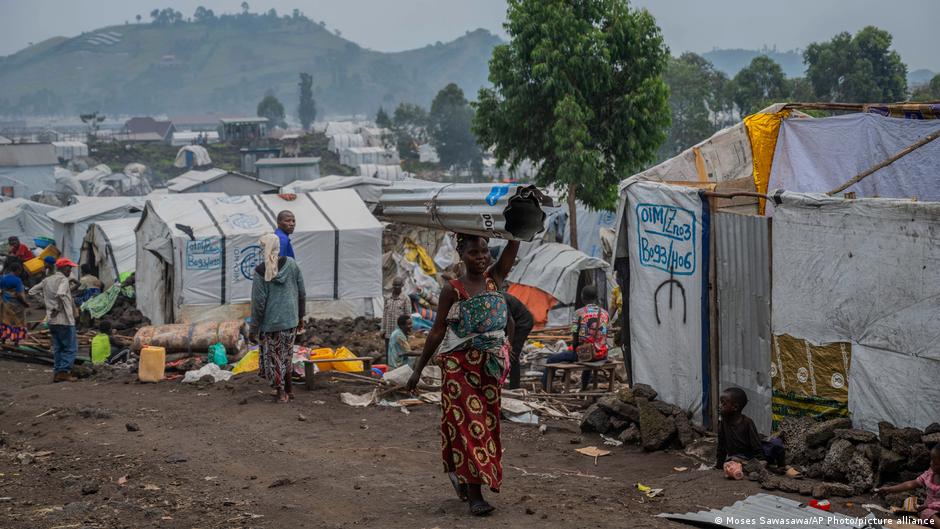
What impunity costs Congolese families: the real price of unpunished crimes
Law and justiceDemocratic Republic of Congo What impunity costs Congolese families: the real price of unpunished crimes In the Democratic Republic of Congo, thousands of victims of successive conflicts are…
PSG’s decisive 4-2 victory at Manchester City reshapes Champions League landscape

Gabon to streamline social aid with unified procedures manual by 2027
Mali’s refugee count tops 322,500 amid rising regional displacement

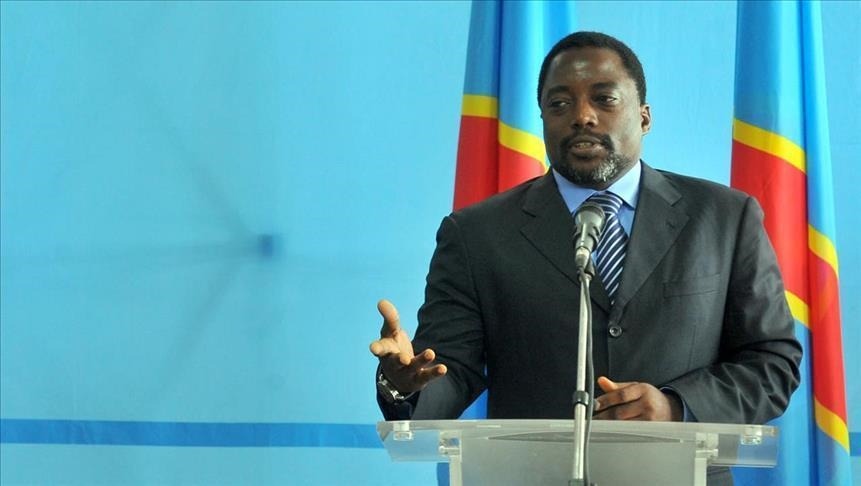
Joseph Kabila leads new politico-military front FRN in DRC amid escalating tensions
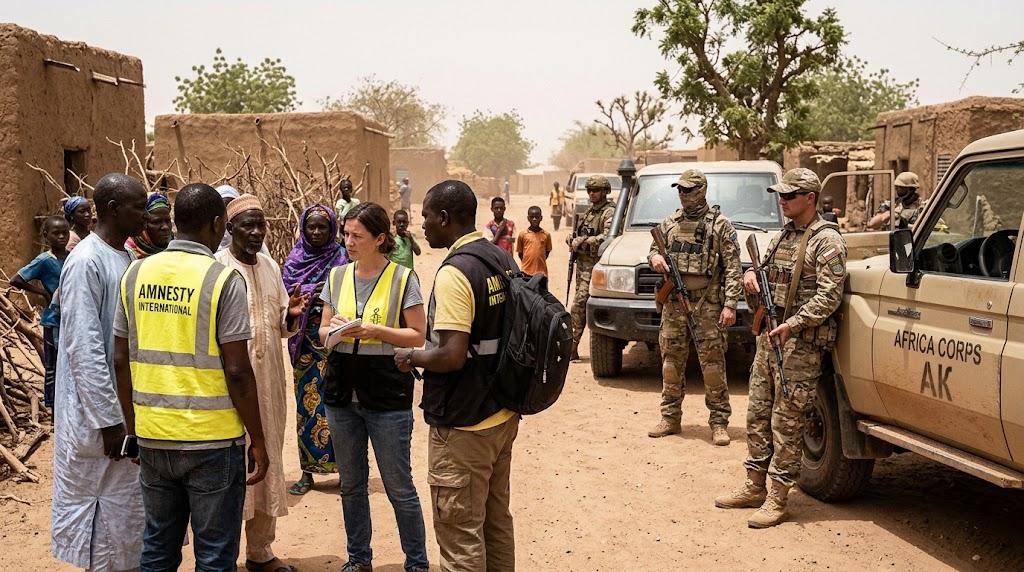
Mali’s Africa Corps: civilian deaths and torture persist in new security era
Cameroon’s corruption losses surge by 2.3 billion FCFA in 2025: what the numbers reveal