Boureima Amadou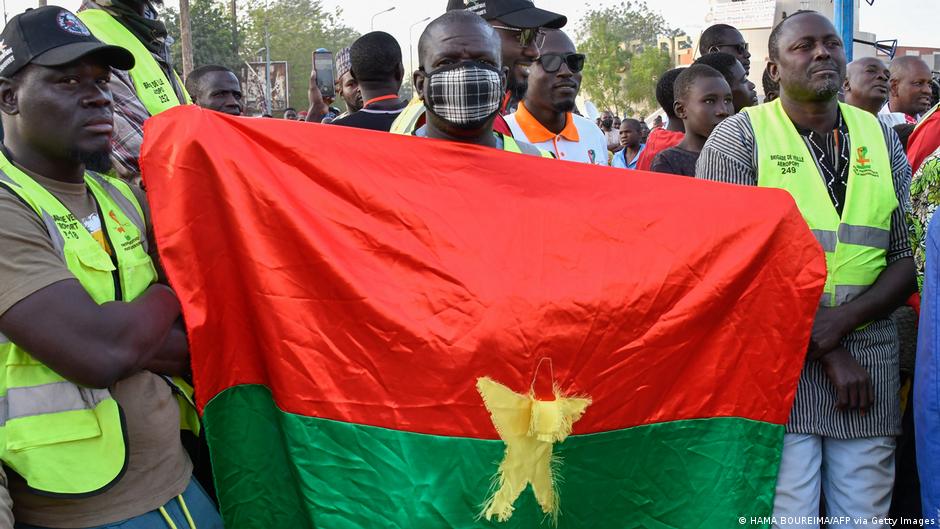
civic space under threat in Burkina Faso and allies
The arrest of imam Mohamed Ishaq Kindo and the suspension of Burkina Faso’s largest student union highlight growing repression under military rule. This week’s developments reveal mounting tensions in the Alliance of Sahel States (AES).
Imam Kindo’s disappearance sparks outrage
On the eve of Eid al-Adha, witnesses reported seeing masked security forces detain imam Mohamed Ishaq Kindo at his home. The imam is a prominent but not radical figure in Burkina Faso’s Muslim community. As noted by Burkinabè journalist Newton Ahmed Barry, who is now in exile:
“Imam Kindo was one of the few Muslim leaders who initially supported Ibrahim Traoré but maintained a critical stance, publicly challenging government decisions.”
His criticism reportedly targeted a proposed law regulating religious practices, including prayers in public spaces.
Distinct from Mali’s imam Mahmoud Dicko
Some observers drew parallels with Mali’s imam Mahmoud Dicko, but Newton Ahmed Barry dismissed the comparison:
“I don’t believe Imam Kindo shared those intentions or aspired to the same role. He focused on civic vigilance regarding issues within his sphere of influence as a member of the Federation of Islamic Associations of Burkina Faso (FAIB), tasked with safeguarding Islamic doctrine.”
Unrest follows imam’s arrest
Protests erupted after his detention, leading to clashes, injuries, and dozens of arrests. The FAIB repeatedly called for calm. Meanwhile, a disinformation campaign unfolded—including a fake statement claiming the imam had died, later debunked by prosecutors. Other videos allegedly showing abuses were flagged for inconsistencies, with AfricaCheck suggesting possible AI-generated content.
Student union UGEB suspended amid crackdown
Another major development: the suspension of the General Union of Burkina Faso Students (UGEB), founded in 1960, for three months with the possibility of renewal. UGEB’s president, Bazo Wilfried, and several members were detained on charges of “apologizing for terrorism” and “demoralizing security forces.” The union had criticized the government’s handling of the security crisis, calling it a “civil war” and an “undeniable failure.”
Regional pattern of repression
Mahamadou Idder Alghabid, deputy secretary-general of the Sahel Democrats Alliance (ADS), condemned the accusations:
“It’s laughable to accuse unarmed students of terrorism. But this is a familiar tactic across the Sahel: any dissent is silenced and labeled as terrorism or terrorist collaboration. Military regimes in Burkina Faso, Mali, and Niger are using this language to stifle opposition.”
Shrinking civic space across the AES
In all three AES countries—Burkina Faso, Mali, and Niger—human rights advocates report a steady erosion of public freedoms. Civil society organizations are being dissolved, judicial pressure is intensifying, and freedom of expression is increasingly restricted. The line between political dissent, union activity, and criminal offense is vanishing, according to the ADS.
Resistance persists despite risks
Despite arrests, abductions, and violence, opposition voices continue to speak out—often from abroad. Mahamadou Idder Alghabid emphasized:
“We know the fight ahead is immense because we oppose three military regimes. But every day, we gain ground while they lose it. Their propaganda worked at first—promising sovereignty and anti-imperialism—but now, people see the lies. They’re abandoning the coup leaders.”
Newton Ahmed Barry added:
“Tyranny always collapses under the weight of its own excesses. Ibrahim Traoré’s regime is no exception. The Burkinabè people won’t remain silent forever.”
Calls for international support
Human rights organizations urge continued global backing for democratic expression and civil initiatives in Burkina Faso. Ilaria Allegrozzi of Human Rights Watch stated:
“Partners must stop hiding behind the idea that condemning the junta is counterproductive. Silence and ambiguity only legitimize authoritarian abuses.”
Rejecting military rule as the new normal
Human Rights Watch also stressed the need to openly challenge the legitimacy of military rule:
“We must have the courage to name these violations for what they are: the unacceptable normalization of military coups and flagrant human rights abuses.”