Mariama Hamani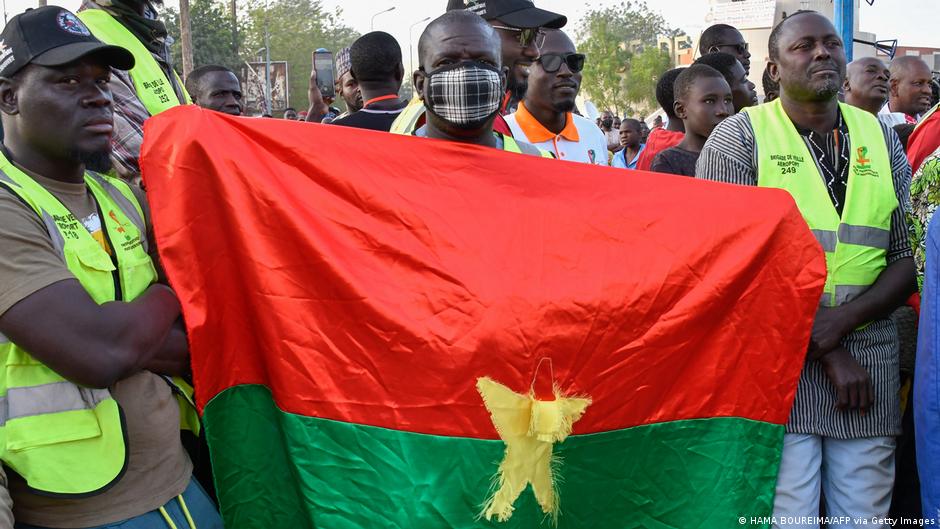
Civic space under strain in the AES: Burkina Faso’s shifting landscape
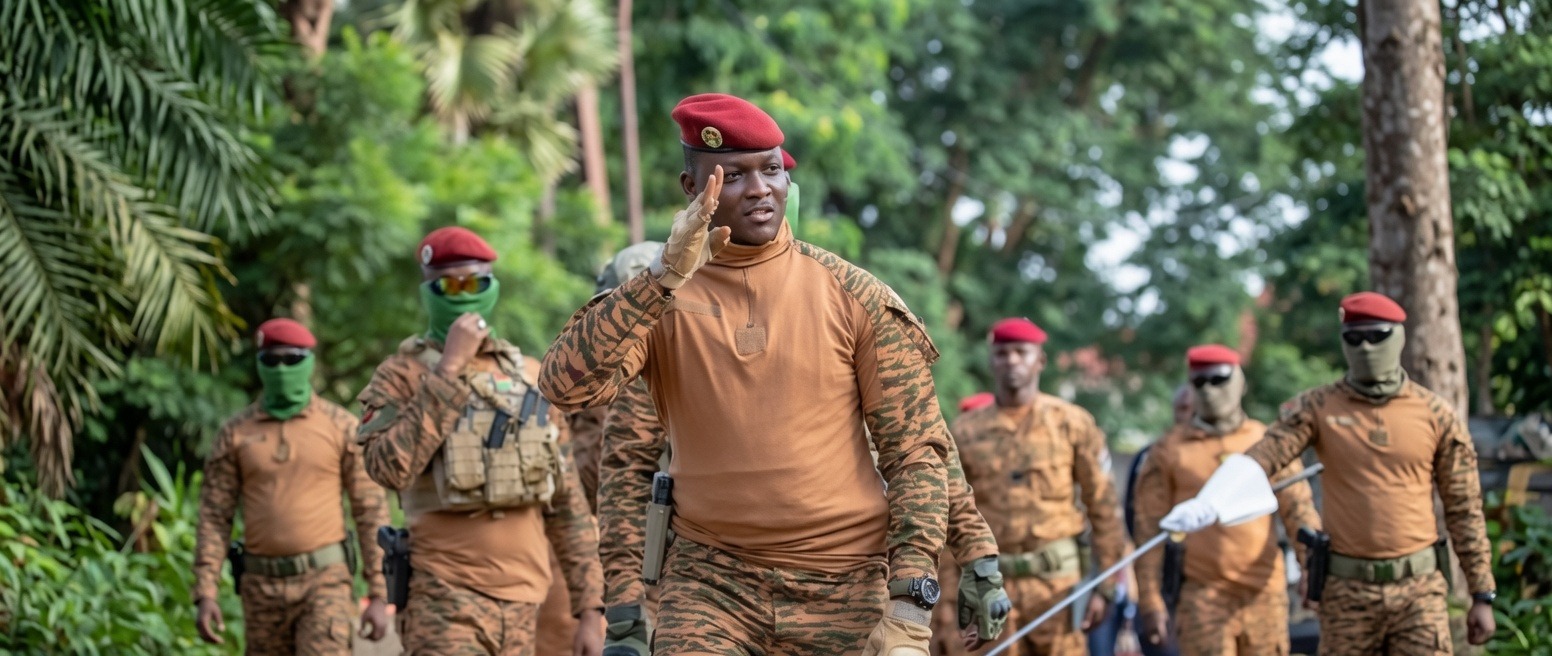
This past week in Burkina Faso has been marked by escalating tensions and a noticeable crackdown on civil liberties under military rule. The arrest of prominent Imam Mohamed Ishaq Kindo and the suspension of the country’s leading student union, the Union générale des étudiants du Burkina Faso (UGEB), have sent shockwaves through civil society. These developments underscore the junta’s increasingly repressive approach to governance.
Disappearance of Imam Kindo: a growing concern
Just before the Eid al-Adha celebrations, witnesses reported masked security forces—including police and military personnel—detaining Imam Mohamed Ishaq Kindo at his residence. The cleric is a respected figure in Burkina Faso’s Muslim community and, notably, was once a vocal supporter of Captain Ibrahim Traoré, though he later adopted a more critical stance on public policies.
Among his criticisms was a proposed bill aimed at regulating religious practices, particularly public prayers, which he argued infringed on freedom of worship.
A distinct voice in the Sahel
Some analysts have drawn parallels between Imam Kindo and Mali’s influential Imam Mahmoud Dicko. However, Newton Ahmed Barry, a Burkinabè journalist in exile, dismisses such comparisons:
“Imam Kindo was not driven by political ambitions nor did he seek the same stature as Imam Dicko. His focus was on civic vigilance, particularly regarding issues within his religious domain. As a member of the Federation of Islamic Associations of Burkina Faso (FAIB), his role was to safeguard the theological integrity of Islam.”
Clashes, disinformation, and state response
The imam’s detention sparked immediate protests, with clashes erupting between civilians and security forces, resulting in injuries and dozens of arrests. The FAIB repeatedly called for calm, yet a parallel battle unfolded online. A fabricated statement claiming the imam’s death circulated widely before being debunked by the prosecutor general. Other misleading videos, allegedly depicting abuses, were flagged by AfricaCheck for inconsistencies, with signs of potential AI manipulation.
Reports suggest some detainees were transferred to a military camp in Kaya, located in the Centre-Nord region. The junta’s tactics—including arrests and enforced disappearances—appear designed to instill fear and consolidate control.
A strategy rooted in intimidation
According to Newton Ahmed Barry, this repression follows a deliberate strategy: “The junta’s logic is clear: the more fear it spreads, the easier it is to maintain absolute control. By traumatizing the population, they ensure compliance and silence.”
UGEB suspension: targeting student dissent
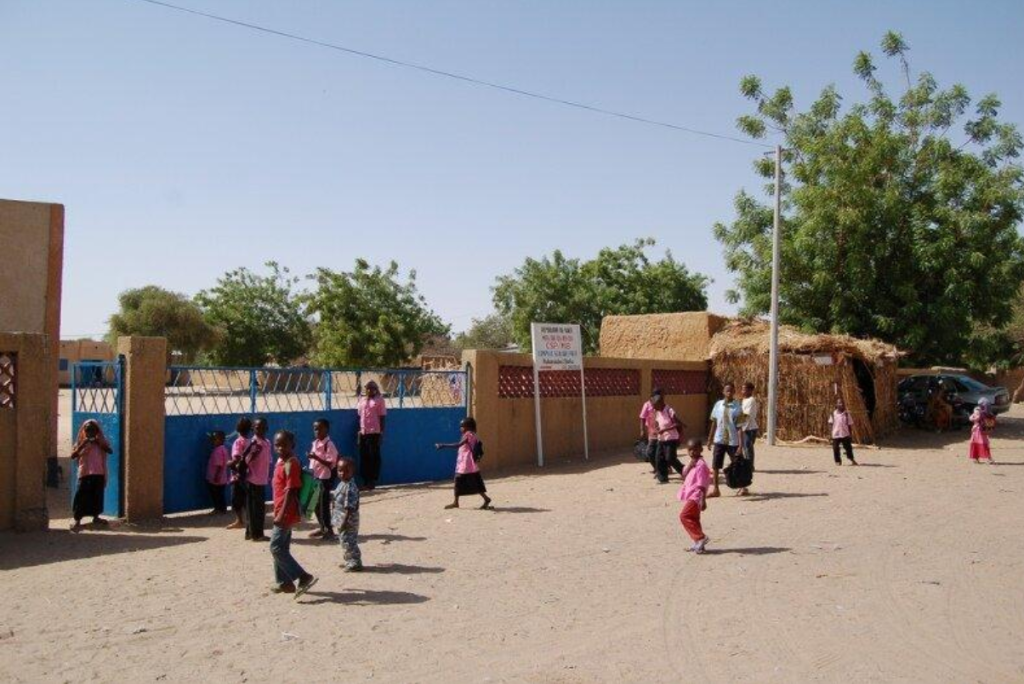
Another alarming move was the three-month suspension—renewable—of the UGEB, the country’s oldest student union, founded in 1960. Its president, Bazo Wilfried, and several members were arrested on charges of “terrorism glorification” and “undermining the morale of the armed forces.”
The charges stem from the union’s criticism of the security situation, describing it as a “civil war” and highlighting the authorities’ “clear inability” to restore safety. Mahamadou Idder Alghabid, deputy secretary-general of the Alliance of Sahel Democrats (ADS), condemned the accusations:
“It’s laughable to accuse unarmed students of terrorism. This is a familiar pattern across the Sahel: any dissent is swiftly labeled as terrorism or complicity with armed groups. It’s a convenient tactic used by military regimes in Burkina Faso, Mali, and Niger to silence opposition.”
Regional patterns of repression
Burkina Faso is not alone. In Mali and Niger, human rights advocates report a systematic erosion of public freedoms: dissolved organizations, judicial harassment, and curbs on free expression are becoming the norm. The ADS warns that the line between legitimate criticism, union activism, and criminal offense is rapidly disappearing.
Defiance amid repression
Despite the risks—arrests, abductions, and violence—voices of dissent persist, often from abroad. Mahamadou Idder Alghabid remains defiant: “We know the fight ahead is immense, opposing three military juntas. But every day, we gain ground while they lose it. Their propaganda worked at first, selling narratives of sovereignty and anti-imperialism. Yet these promises have proven hollow. The people of the Sahel see through the deception daily. They are abandoning the putschists’ sinking ship.”
Newton Ahmed Barry echoes this sentiment, suggesting the regime’s excesses may hasten its downfall: “History shows that regimes built on repression crumble under their own weight. Ibrahim Traoré’s junta is no exception. The Burkinabè people will not remain silent forever.”
Urgent calls for international solidarity
Human rights organizations are urging global support for civil society and democratic resilience. Ilaria Allegrozzi of Human Rights Watch stresses the need to “challenge the junta’s abuses openly rather than remain silent out of misplaced pragmatism.” She warns that ambiguity only legitimizes authoritarianism.
Confronting authoritarian drift
At its core, this crisis is about legitimacy. Military coups and flagrant human rights violations cannot be normalized. The international community must refuse to accept these developments as inevitable and instead demand accountability and the restoration of democratic principles.

 Boureima Amadou