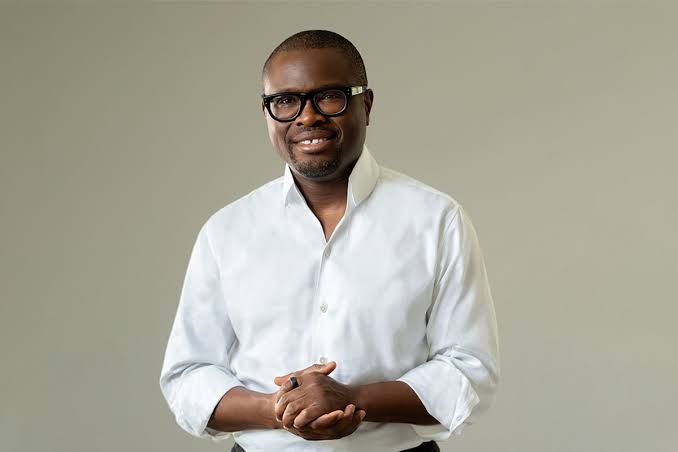
Boureima Amadou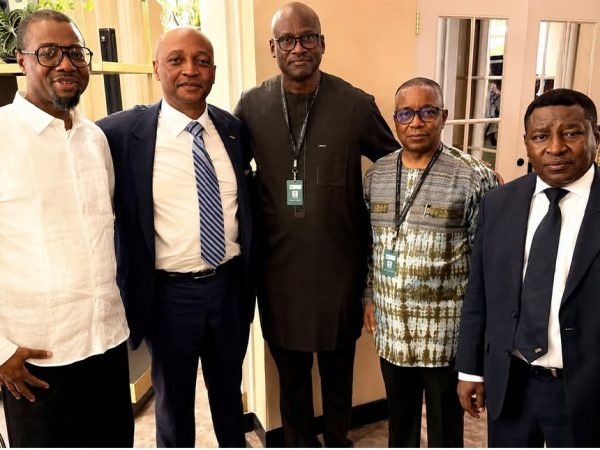
The African Football Confederation (CAF) has officially acknowledged the joint expression of interest submitted by Burkina Faso, Mali, and Niger for hosting the 2032 Africa Cup of Nations (AFCON). This preliminary validation marks a symbolic milestone for the three Sahelian nations, now tasked with demonstrating their readiness in terms of infrastructure and security.
In a strategic meeting held in New York, the presidents of the football federations of Burkina Faso, Mali, and Niger sat down with CAF President Patrice Motsepe on July 18 to secure the green light for their joint candidacy. The announcement, confirmed by the Nigerien Football Federation (FENIFOOT) two days later, has since resonated across West Africa as a significant step forward for the three nations.
An administrative step, not a guaranteed victory
While the confirmation fulfills a formal requirement, it does not seal their success. According to CAF’s candidacy regulations (Article 7.3), the trio has merely met the initial administrative threshold, allowing them to proceed in the bidding process. The final decision remains pending, subject to stricter evaluations on infrastructure, hospitality, transportation, and security.
Why the CAF is planning three editions ahead
In early July 2026, CAF simultaneously launched bidding processes for AFCON 2028, 2032, and 2036, inviting all 54 member associations to participate. This long-term planning strategy aims to give federations ample time to develop robust, sustainable bids. However, the 2032 evaluation will scrutinize the feasibility of the Sahelian project, including the current state of stadiums, hotels, and transport networks in the three countries.
A tried-and-tested East African model
Co-hosting is not uncharted territory for CAF. Kenya, Uganda, and Tanzania are already preparing to jointly host AFCON 2027, setting a precedent that Burkina Faso, Mali, and Niger may emulate. This tripartite approach could allow the Sahelian trio to share resources, reduce costs, and leverage existing infrastructure to meet CAF’s stringent standards.
CAF President Patrice Motsepe has praised the initiative as a model of regional cooperation, while emphasizing the importance of adhering to established procedures, as highlighted in the FENIFOOT communiqué released afterward.
Football as a new frontier for AES diplomacy
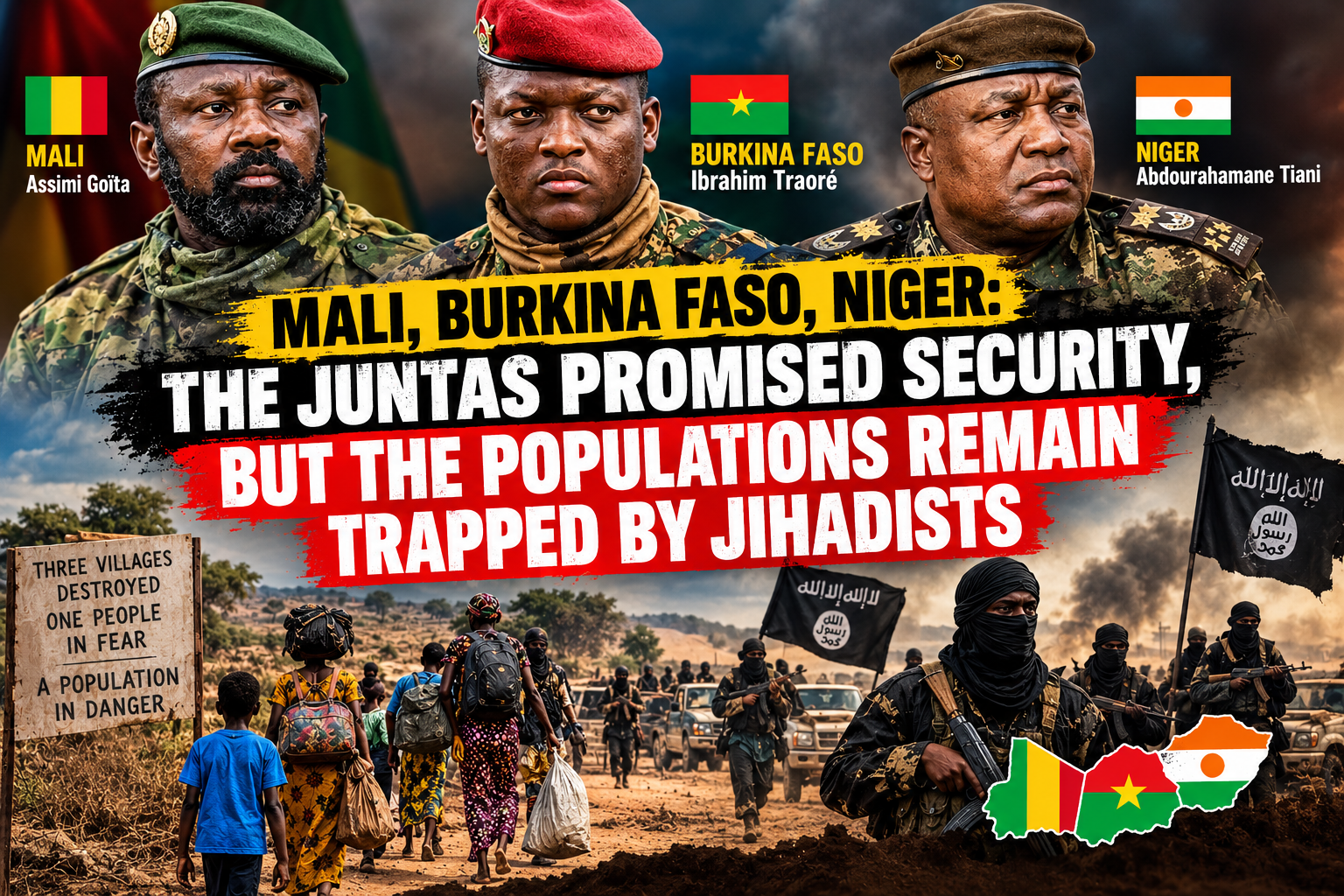
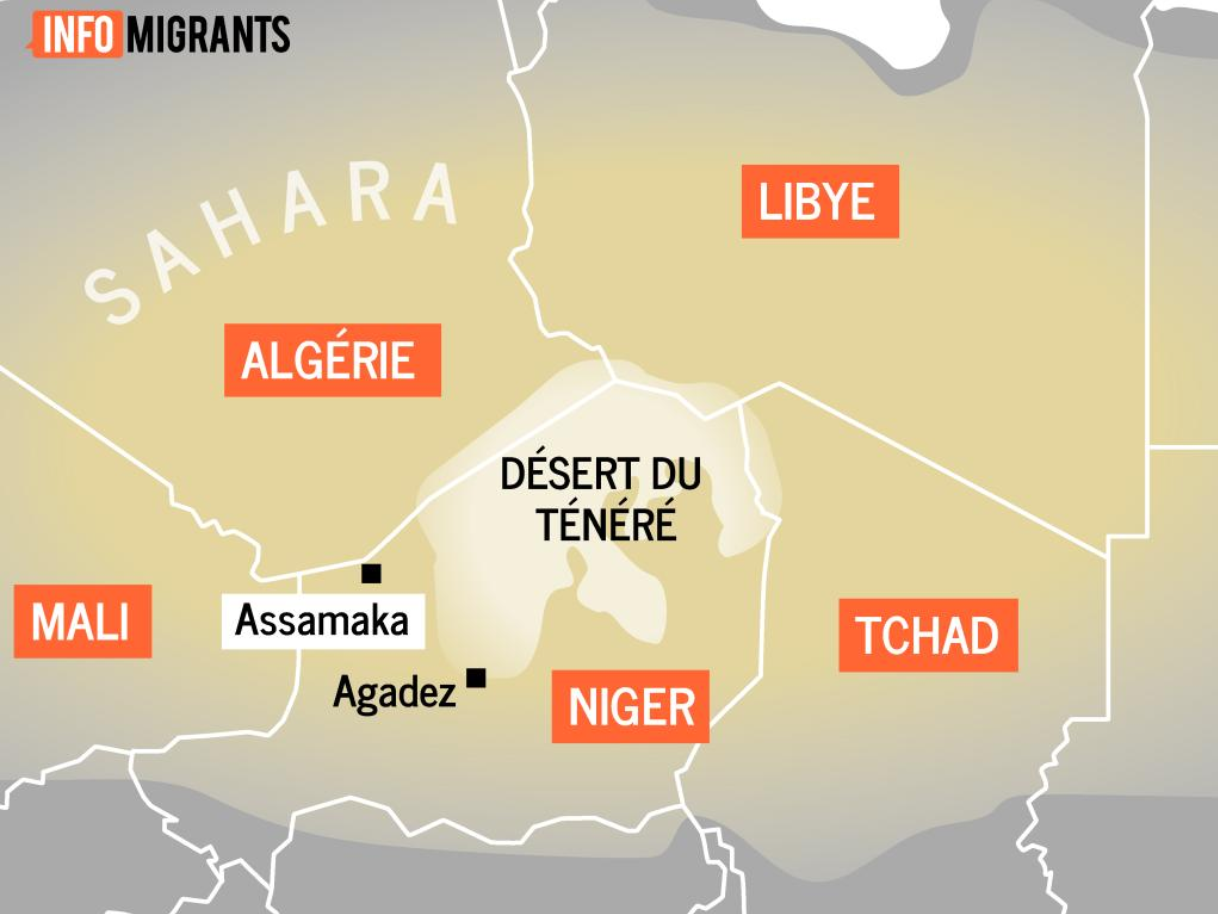
The joint bid is more than a sporting project—it reflects a broader geopolitical shift. Since breaking away from ECOWAS, the military-led governments in Ouagadougou, Bamako, and Niamey have intensified collaboration across multiple sectors, from monetary policy to foreign affairs. A successful AFCON bid would provide the Alliance of Sahel States (AES) with a rare international platform at a time when the region grapples with persistent insecurity. This week alone, the African Union condemned deadly attacks in Niger and Mali on July 17 and 18.
The CAF’s upcoming assessment will focus closely on two critical fronts: security and infrastructure. The ability of the three countries to guarantee safe conditions for teams, officials, and spectators—and to deliver world-class facilities—will determine whether their bid survives the next rounds.
What comes next for the Sahelian bid
The July 18 approval was merely the first gate to open. The Burkina Faso, Mali, and Niger federations, in coordination with their governments, are now compiling technical dossiers to meet CAF’s comprehensive requirements. The real test lies ahead: turning political unity into a tangible, operational plan capable of delivering a tournament that meets the demands of a continental competition.
If successful, AFCON 2032 could transcend sport, showcasing the Sahel’s capacity to transform regional solidarity into a lasting legacy on the world stage.