
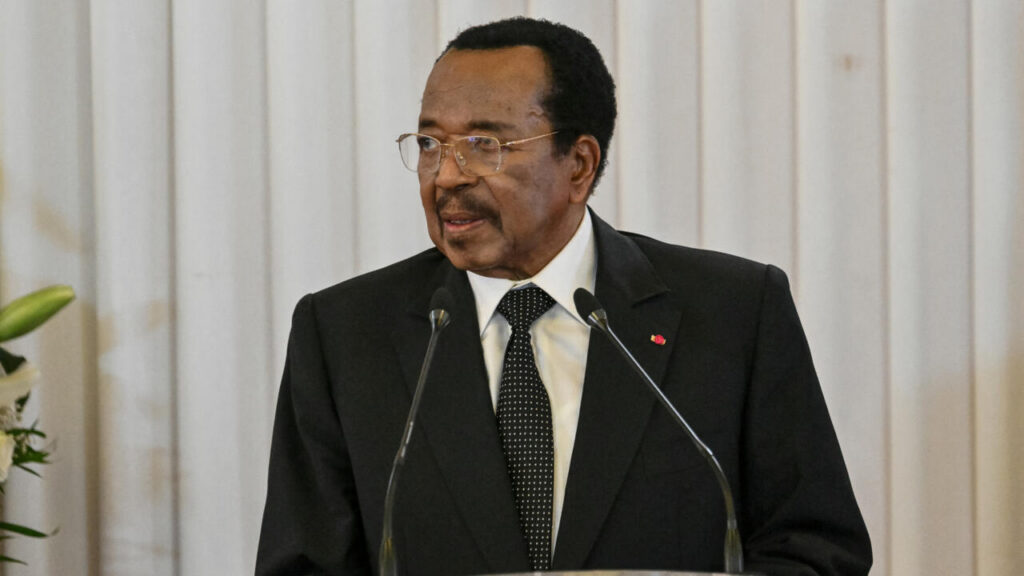
Since June 7, Cameroon’s head of state, Paul Biya, has not appeared in public. The official announcement cited a “short private stay in Europe,” yet over 50 days have passed without further clarity on his whereabouts or return date. At 93 years old, the prolonged silence and lack of transparency from authorities have intensified speculation about his health and the stability of the nation’s leadership. Opposition voices warn of a potential power vacuum, while others describe the government as operating on “autopilot.”
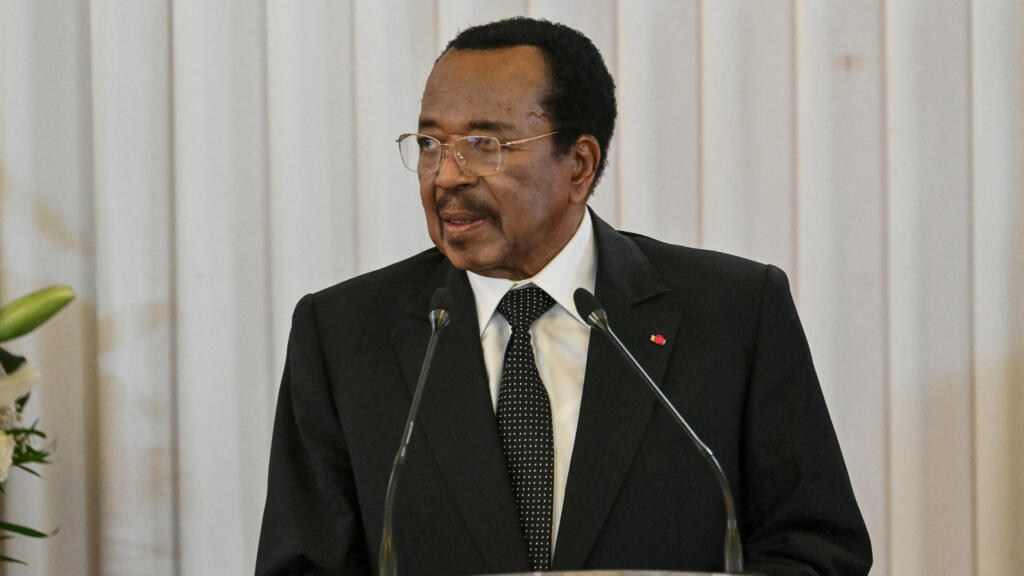
With Stéphane Akoa, political analyst at the Paul Ango Ela Foundation.
Constitutional safeguards and political fallout
The Cameroonian Constitution outlines procedures for prolonged presidential absences, yet concrete details remain scarce. Questions arise: Could this situation disrupt critical national priorities? Opposition factions argue the absence risks state continuity, with terms like “power vacuum” and “remote-controlled governance” surfacing in public discourse.
The lack of official updates has not only fueled rumors but also raised concerns about the country’s ability to address pressing challenges, from economic stability to security threats. As the days pass without resolution, the pressure mounts on authorities to clarify the situation.
Public sentiment and institutional trust
Citizens and political observers alike demand transparency. The prolonged silence contrasts sharply with the urgency of national issues requiring decisive leadership. While the government has not provided explanations, the prolonged absence underscores the fragility of institutional trust in times of uncertainty.

More Stories
Niger–Benin border closure: political leverage over practical solutions
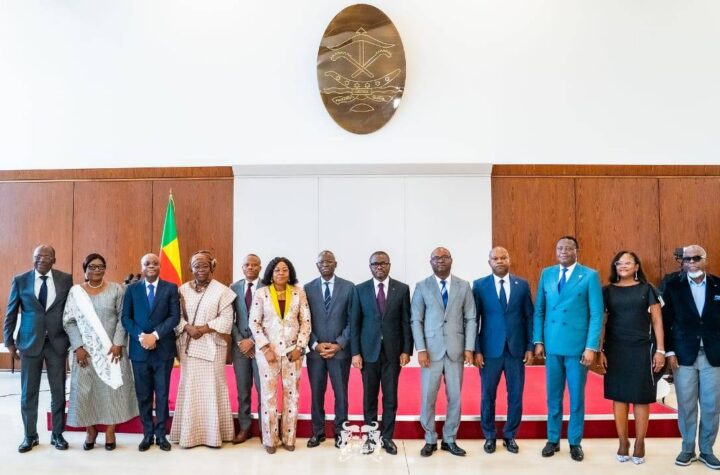
Benin launches committee to modernize legal framework for economic growth
Benin Nigeria economic ties take bold step with dangote meeting