Mariama Hamani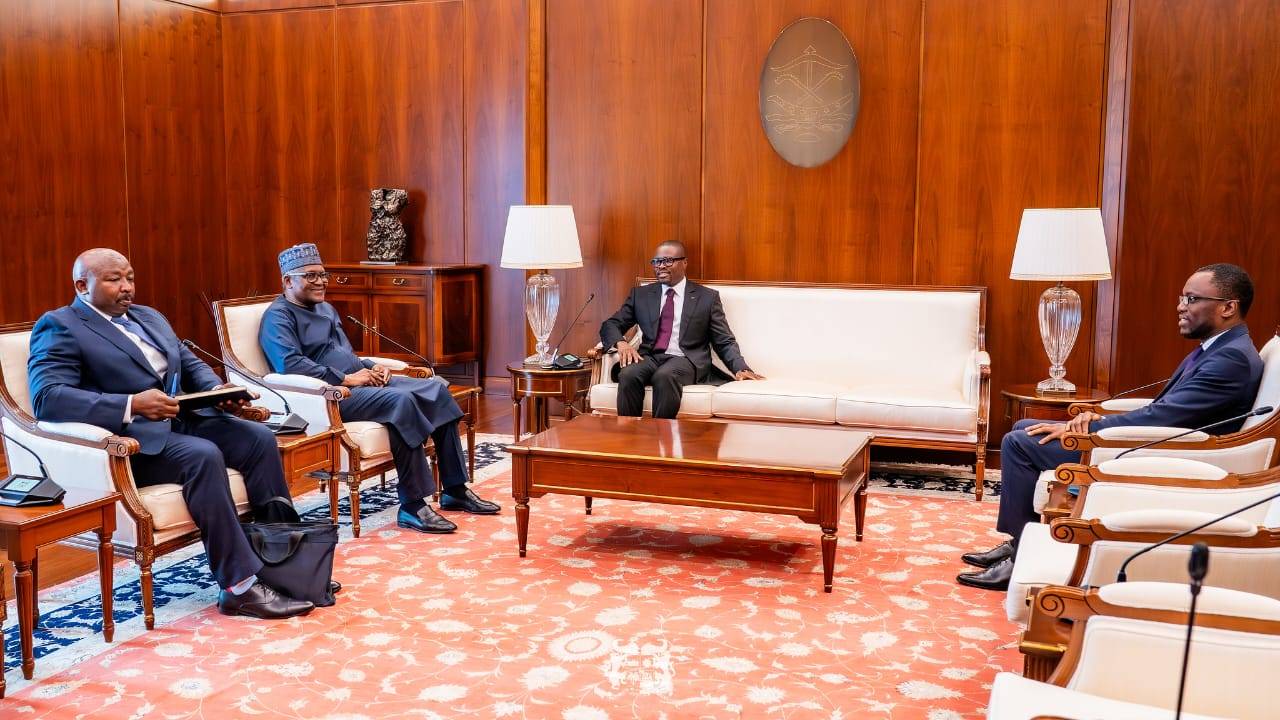
Bénin and Nigeria strengthen economic ties with historic Dangote meeting
In a landmark move for West African economic integration, Bénin President Romuald Wadagni welcomed Africa’s richest man, Nigerian industrialist Aliko Dangote, to the Palais de la Marina in Cotonou on July 28, 2026. The high-stakes meeting signals a new chapter in bilateral relations, with both leaders emphasizing the critical role of private-sector partnerships in driving regional stability and growth.
Diplomatic milestone at the heart of Cotonou
The corridors of power in Cotonou buzzed with anticipation as the presidential guest arrived. This wasn’t just another diplomatic engagement—it represented a strategic alignment between two neighboring nations determined to unlock their economic potential. For President Wadagni, a former finance minister renowned for his pragmatic approach to governance, hosting Dangote was both a symbolic and practical endorsement of his economic transformation agenda.
The Nigerian billionaire, whose Dangote Group spans cement, sugar, agribusiness, logistics, and oil refining, brings more than capital to the table. His presence underscores the Bénin’s potential as a gateway for Nigerian industrial expansion into Francophone West Africa and beyond. With the Dangote refinery nearing full capacity in Nigeria, the timing of this meeting could not have been more strategic for regional energy security.
Dangote’s African industrial empire edges closer to Bénin
From his Lagos headquarters, Dangote has built an industrial colossus that supplies over 30 African countries. For the Bénin, this represents an unprecedented opportunity: access to affordable industrial inputs, enhanced supply chain efficiency, and a potential reduction in consumer goods prices through reduced import costs.
The Dangote Group’s delegation made it clear that the Bénin is viewed not just as a neighbor, but as a critical node in their expansion strategy. Key objectives include:
- Logistics optimization: Leveraging Cotonou’s Port Autonome as a regional distribution hub
- Industrial integration: Establishing production facilities to serve both domestic and hinterland markets
- Energy security: Ensuring stable supplies of refined petroleum products for agricultural and industrial use
A source close to the discussions noted, “The convergence of African industrial might with visionary government policy can unlock unprecedented growth across our region.”
Tangible benefits for Bénin’s economy
The potential dividends for the Bénin economy extend far beyond diplomatic goodwill. Concrete advantages include:
Foreign direct investment surge
Dangote Group’s planned investments would inject fresh capital into the Bénin economy, particularly in construction materials, storage infrastructure, and agro-processing. Each franc invested would ripple through local supply chains, creating multiplier effects across multiple sectors.
Job creation and skills transfer
Large-scale industrial projects inevitably create employment opportunities. For a nation with a young, growing workforce, this represents more than just job numbers—it’s a chance to acquire advanced technical skills and modern management practices that could redefine the country’s labor market.
Port and logistics transformation
Cotonou’s port handles 60% of landlocked Niger’s trade. A deeper partnership with Dangote could:
- Increase port throughput and efficiency
- Optimize rail and road corridors for faster transit
- Boost customs and tax revenues through formalized trade
Enhanced energy independence
With the Dangote refinery coming online, Bénin could secure preferential access to affordable petroleum products and petrochemicals—particularly critical for agricultural fertilizer production. This would reduce vulnerability to global price fluctuations and support food security initiatives.
From competition to complementarity
Historically, Nigeria’s economic dominance and periodic border closures have complicated Bénin-Nigeria trade relations. This meeting marks a deliberate shift toward economic complementarity over competition. By engaging directly with Nigeria’s private sector giants, the Bénin government is positioning itself as an indispensable partner rather than a passive neighbor.
The strategic objectives are clear:
- Formalize trade channels to increase tax revenues
- Develop Cotonou as a services and logistics hub for Nigerian industries
- Create a stable, predictable business environment for cross-border commerce
Roadmap for economic transformation
While the July 28 meeting sets the stage, the real test lies in translating discussions into actionable agreements. President Wadagni’s vision appears focused on three pillars:
- Industrial partnership: Concrete projects with measurable economic impact
- Infrastructure development: Port upgrades, energy access, and transport corridors
- Regional integration: Strengthening Bénin’s role in the Economic Community of West African States (ECOWAS) trade network
The coming weeks will reveal the first tangible outcomes of this strategic dialogue. If successful, the Bénin could emerge as a model of how smaller West African nations can leverage their geographic position and reform-minded leadership to attract mega-investments and drive sustainable growth.

 Boureima Amadou