Mariama Hamani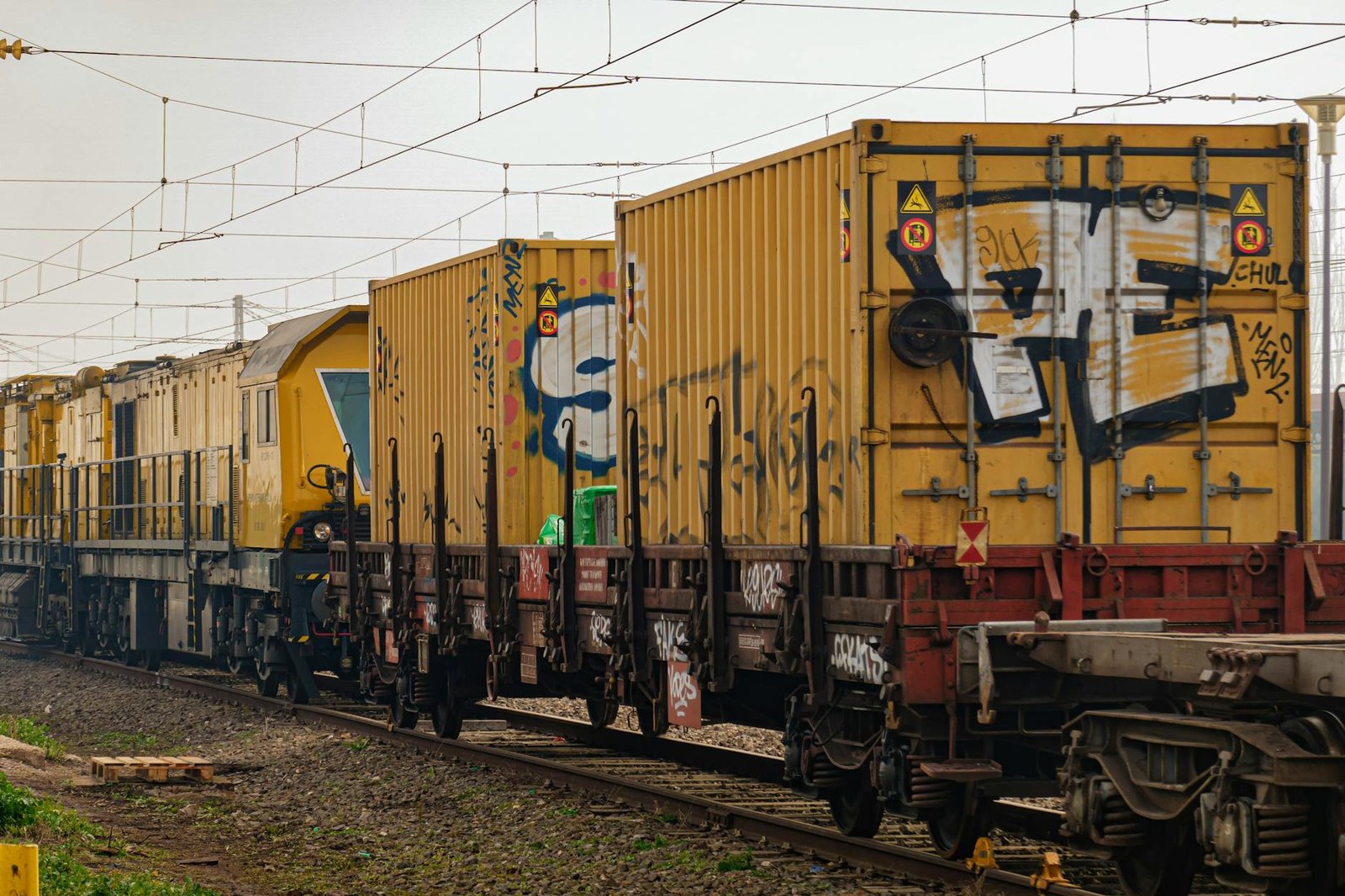
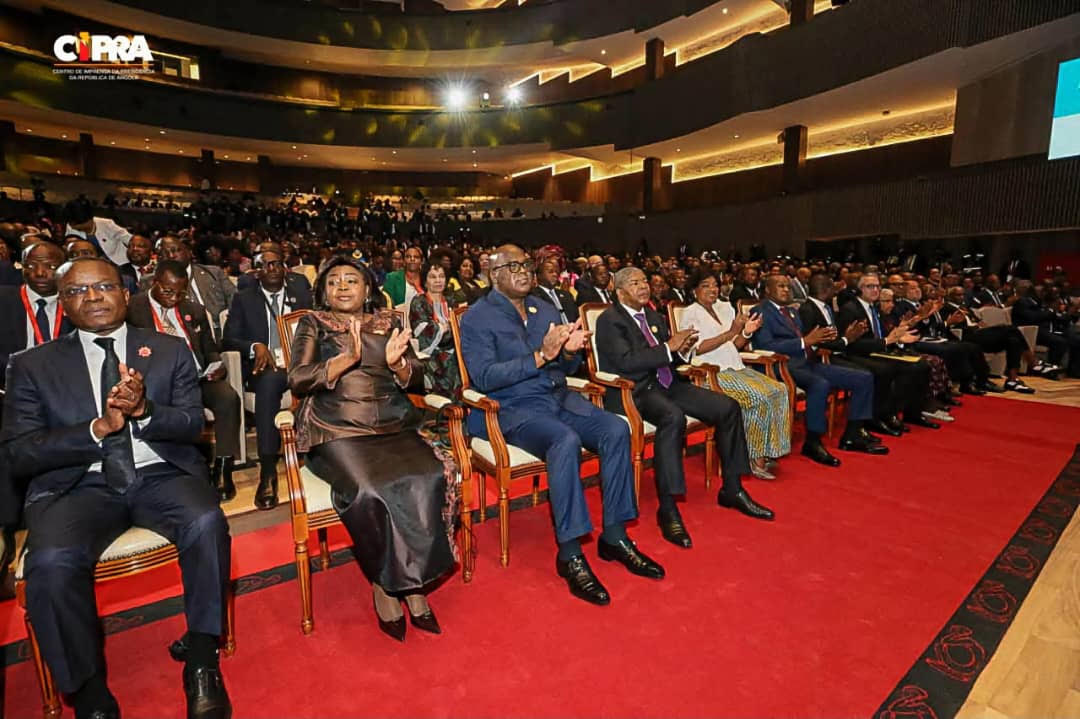
A significant milestone was achieved this Thursday, June 4, in Yaoundé for the ambitious Edéa–Kribi–Lolabé–Campo railway corridor initiative. The Cameroonian government, in collaboration with Africa Global Logistics (AGL) and Camalco – the local subsidiary of Australia’s Canyon Resources – is poised to formalize a memorandum of understanding (MoU). This agreement is designed to structure crucial discussions surrounding the development of this vital infrastructure project. The signing ceremony, hosted at the Starland hotel, will be presided over by Jean Ernest Massena Ngallè Bibehe, the Minister of Transport. The primary objective is to seamlessly integrate the nation’s railway network with the deep-sea port of Kribi, ultimately facilitating future mineral export flows.
A strategic rail corridor for Cameroon’s logistics future
Beyond the formal signing, this project signifies a profound reshaping of Cameroon’s national logistics framework, centered on the synergistic interplay of rail, ports, and mining. The Edéa–Kribi–Campo corridor has been a cornerstone of the country’s railway planning for several years. As early as 2021, authorities were preparing a donor roundtable to discuss two key sections totaling 291.5 kilometers: the 184.5 km Edéa–Kribi–Campo route and the 107 km Douala–Limbé–Idénau segment. The current initiative reiterates this strategic vision for southern Cameroon, specifically incorporating a connection to Lolabé, an area adjacent to the deep-sea port.
This prospective public-private partnership is envisioned to encompass the entire project lifecycle, from initial studies and financing to construction, operation, and ongoing maintenance. However, a final investment decision is not anticipated at this preliminary stage. Several critical variables remain open for discussion, including the precise route length, project phasing, overall budget, concession duration, and the operational timeline. For Yaoundé, this endeavor is crucial for opening up the southern region and enhancing the competitiveness of its export corridors. For AGL, a prominent player in Central African port and railway logistics, it represents an opportunity to solidify its leading position in cargo transportation.
Kribi: a pivotal hub for mineral evacuation
The economic rationale for this rail line is intrinsically linked to the growing importance of the Kribi port, Cameroon’s sole deep-sea facility. Its full potential has been constrained by inadequate terrestrial connections, a deficiency that a new railway link would effectively address. Such a connection would significantly improve the integration between the port platform, neighboring industrial zones, and the flow of goods destined for international markets. Kribi could then efficiently handle volumes that the port of Douala, limited by the Wouri estuary, struggles to manage under optimal nautical conditions.
Camalco’s involvement lends a clear mining dimension to the memorandum. The company is spearheading the Minim Martap bauxite project in Adamaoua, recognized as a world-class deposit. Canyon Resources has confirmed proven reserves of 144 million tonnes, boasting an average grade of 51.2% alumina and 1.7% silica. The total estimated resource stands at an impressive 1.102 billion tonnes. Such substantial volumes necessitate a robust evacuation chain, integrating the mine, railway infrastructure, storage terminals, and bulk carriers.
Camalco secures the mine-to-port logistics chain
In the immediate future, Canyon Resources’ strategy remains focused on Douala. To secure this critical link, Camalco invested 9.852 billion FCFA, increasing its stake in Camrail, the network concessionaire, from 9.1% to 26.9%. The subsidiary also allocated 347.447 million FCFA to Terminal Bois du Port de Douala S.A. Preparations are simultaneously advancing for the Inland Rail Facility and port installations. The first locomotives are expected by the end of the second quarter of 2026, followed by wagons in July. The inaugural bauxite shipment is slated for the end of the third quarter of 2026.
Nevertheless, Douala’s inherent nautical limitations invariably inflate unit costs for massive mineral flows. The Edéa–Kribi–Lolabé–Campo corridor offers a compelling medium-term alternative, providing a direct route to a deep-sea port and mitigating reliance on the current system. For Cameroon, this project represents a confluence of regional development, optimized natural resource utilization, and the strengthening of Kribi as a premier export hub.
Several structural uncertainties persist. The memorandum does not finalize investment costs, risk allocation among partners, or the land and environmental impacts of the proposed route. These variables will be crucial in determining the project’s attractiveness to international financiers and the robustness of its economic model. However, the Yaoundé signing unequivocally marks the re-entry of this vital corridor onto the national agenda of major structural projects. It effectively outlines a future logistical architecture harmonizing rail, ports, and mines.

 Boureima Amadou