Mariama Hamani
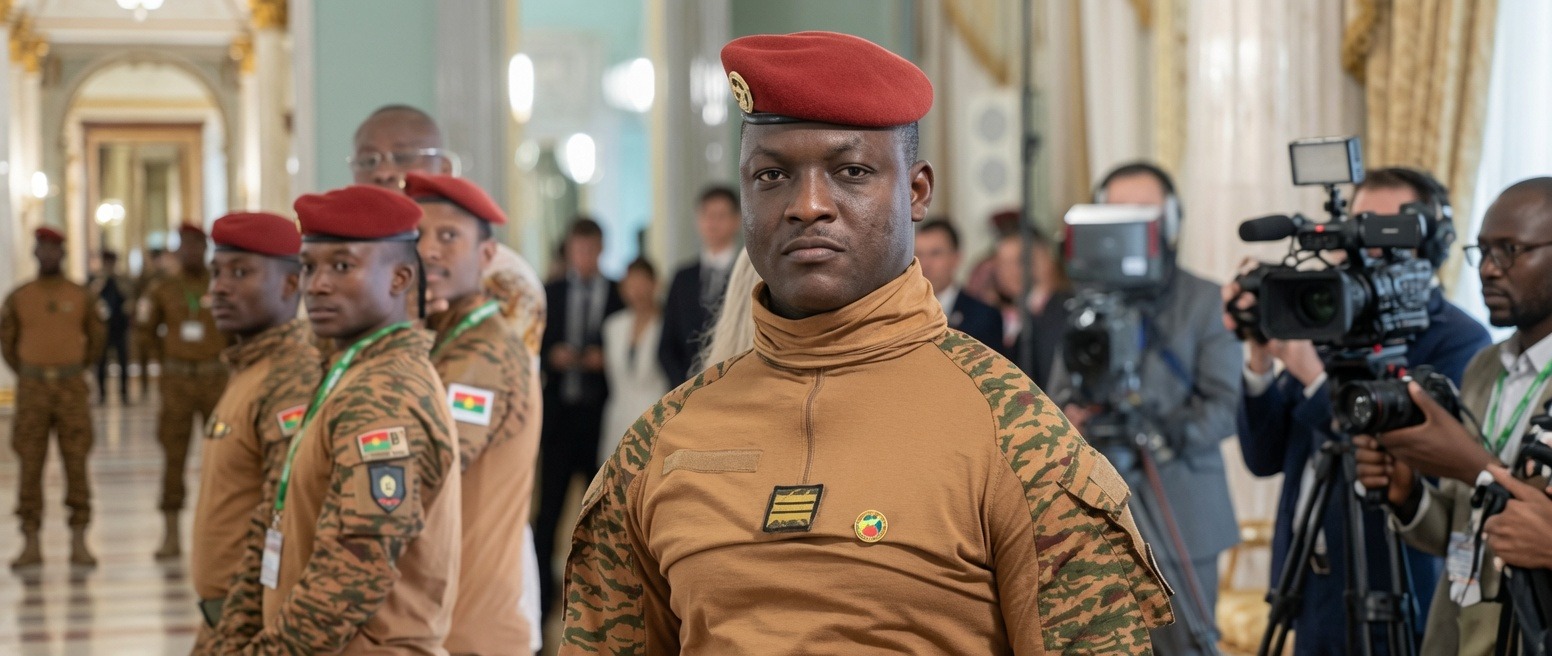
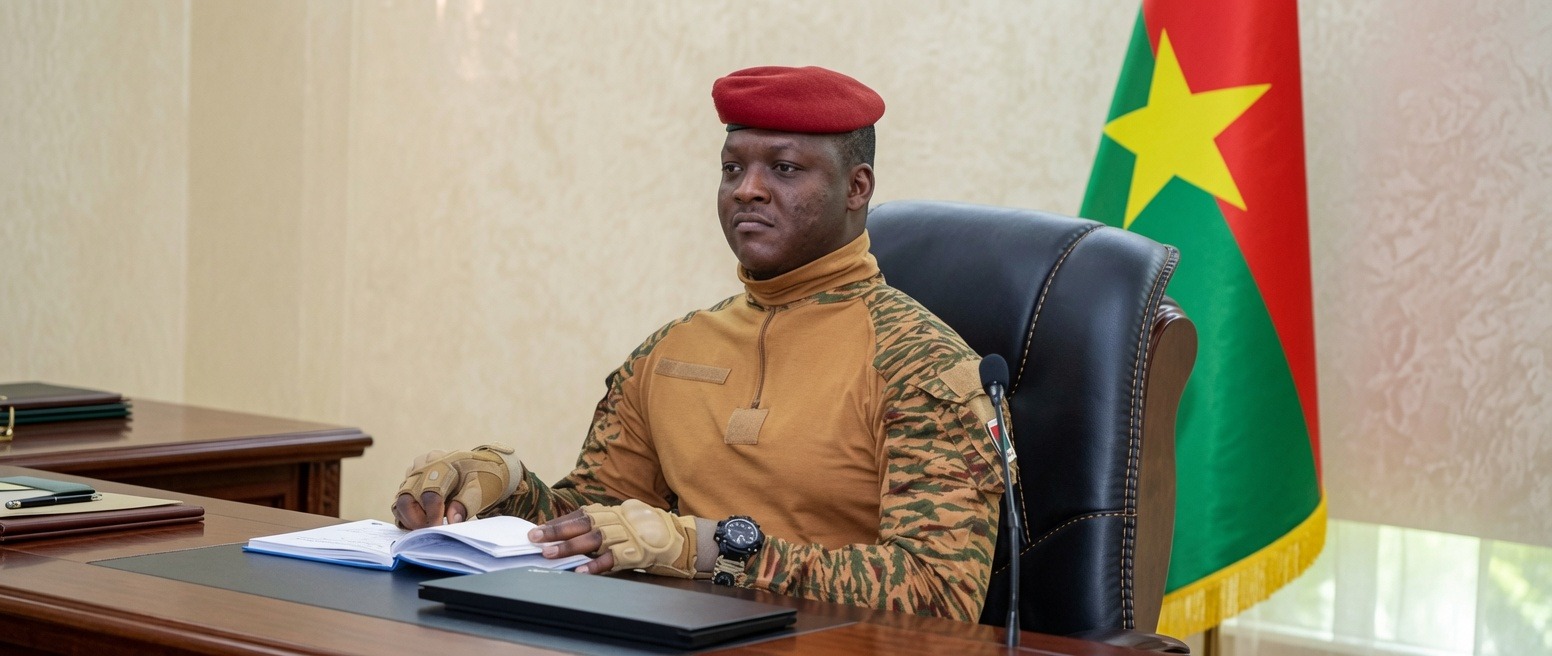
In a dramatic shift signaling desperation, Burkina Faso’s military leadership has made a decisive pivot toward Türkiye, seeking urgent defense and security cooperation. The move comes at the first-ever bilateral political consultations held in Ankara on October 20, 2026, where Ouagadougou’s representatives openly appealed for Ankara’s immediate intervention to address the nation’s escalating security vacuum.
From Moscow’s empty promises to Ankara’s lifeline
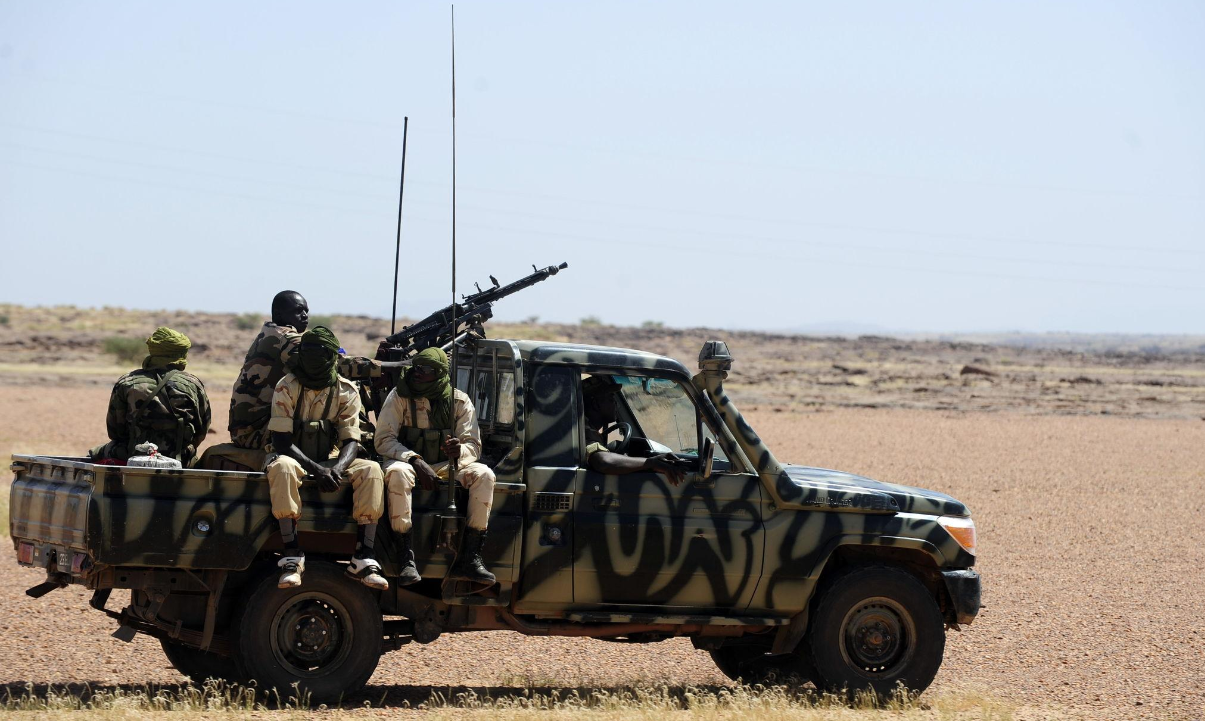
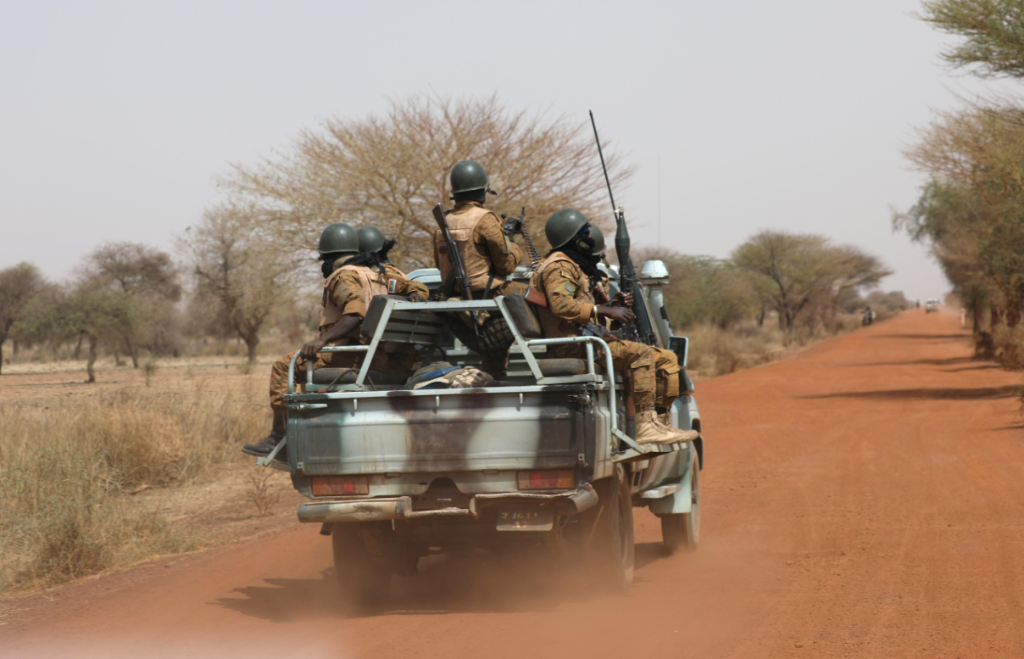
Since Burkina Faso abruptly abandoned its traditional alliances to align with Russia, the promised military breakthrough has failed to materialize. Despite the deployment of Russian paramilitary instructors and an influx of weaponry, the country continues to grapple with relentless terrorist attacks, besieged towns, and a worsening humanitarian crisis. The harsh realities of the Sahel’s battlefield have exposed the limitations of Moscow’s support, leaving Ouagadougou with no choice but to seek alternative lifelines.
The high-stakes gamble of Burkina Faso’s security strategy
The delegation led by Ambassador Hermann Yirigouin Toé arrived in Ankara with a clear agenda: negotiate concrete defense assistance. With Ankara’s proven track record in drone warfare across African conflicts, Burkina Faso is now banking on Türkiye’s military expertise to fill the critical gaps in its security apparatus. This appeal for help underscores a stark admission—that self-reliance and reliance on Russia have both fallen short.
A sovereignty paradox in Burkina Faso’s foreign policy
The urgent outreach to Türkiye highlights a glaring contradiction in Burkina Faso’s foreign policy. While the junta clings to a sovereignist rhetoric, its inability to curb insecurity has forced a pragmatic about-face. The pursuit of Ankara’s support signals a reluctant acknowledgment that ideological posturing cannot replace effective military action in today’s Sahelian conflict.
Can Ankara turn the tide for Burkina Faso?
As Burkina Faso stands at a crossroads, the question remains whether Ankara’s intervention can reverse the tide of instability. With the country’s security apparatus stretched thin and civilian populations bearing the brunt of the crisis, the junta’s shift toward Türkiye may represent its last viable option. Yet the success of this new partnership hinges on swift action and tangible results—neither of which Burkina Faso can afford to delay.