Boureima Amadou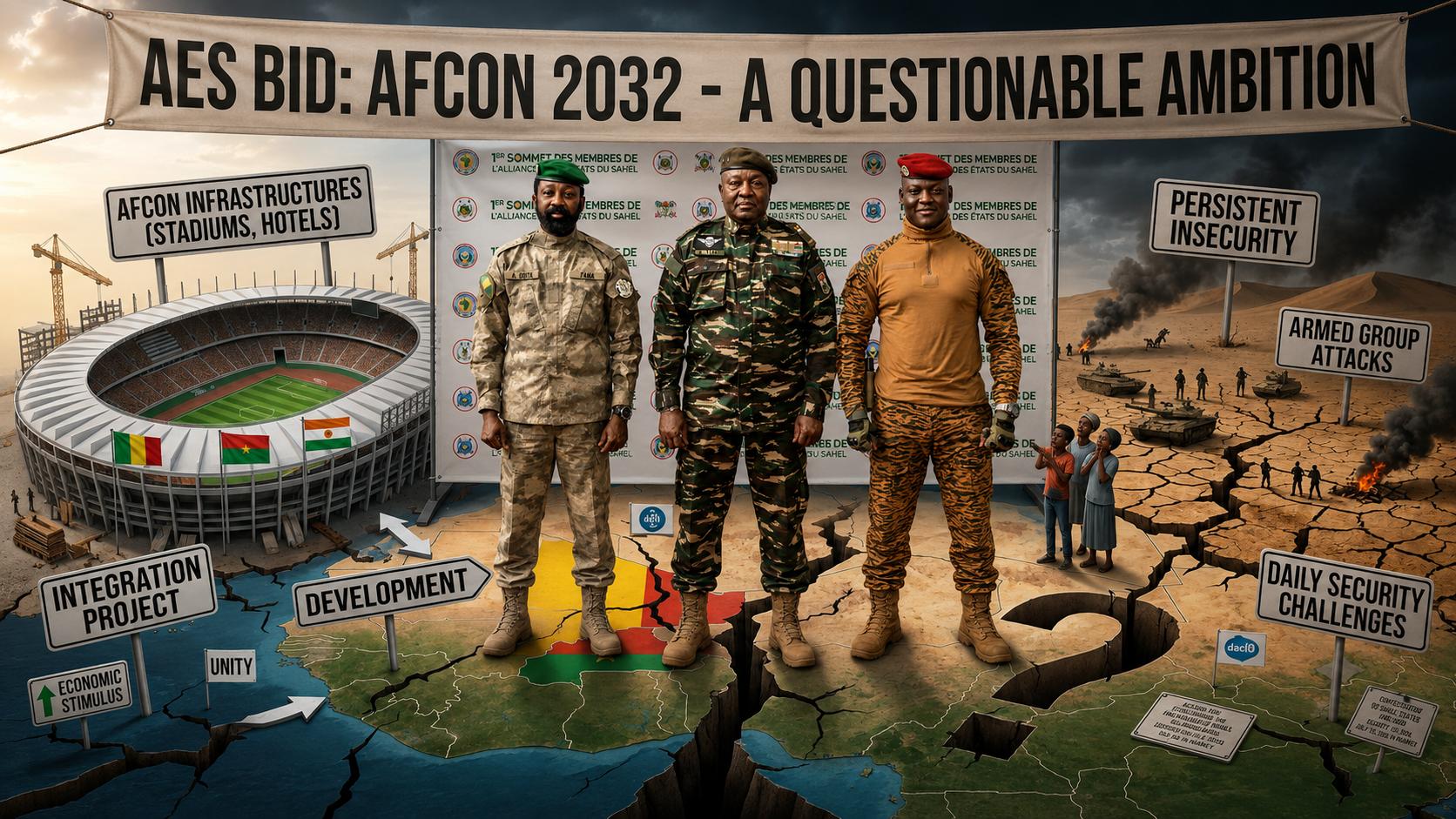
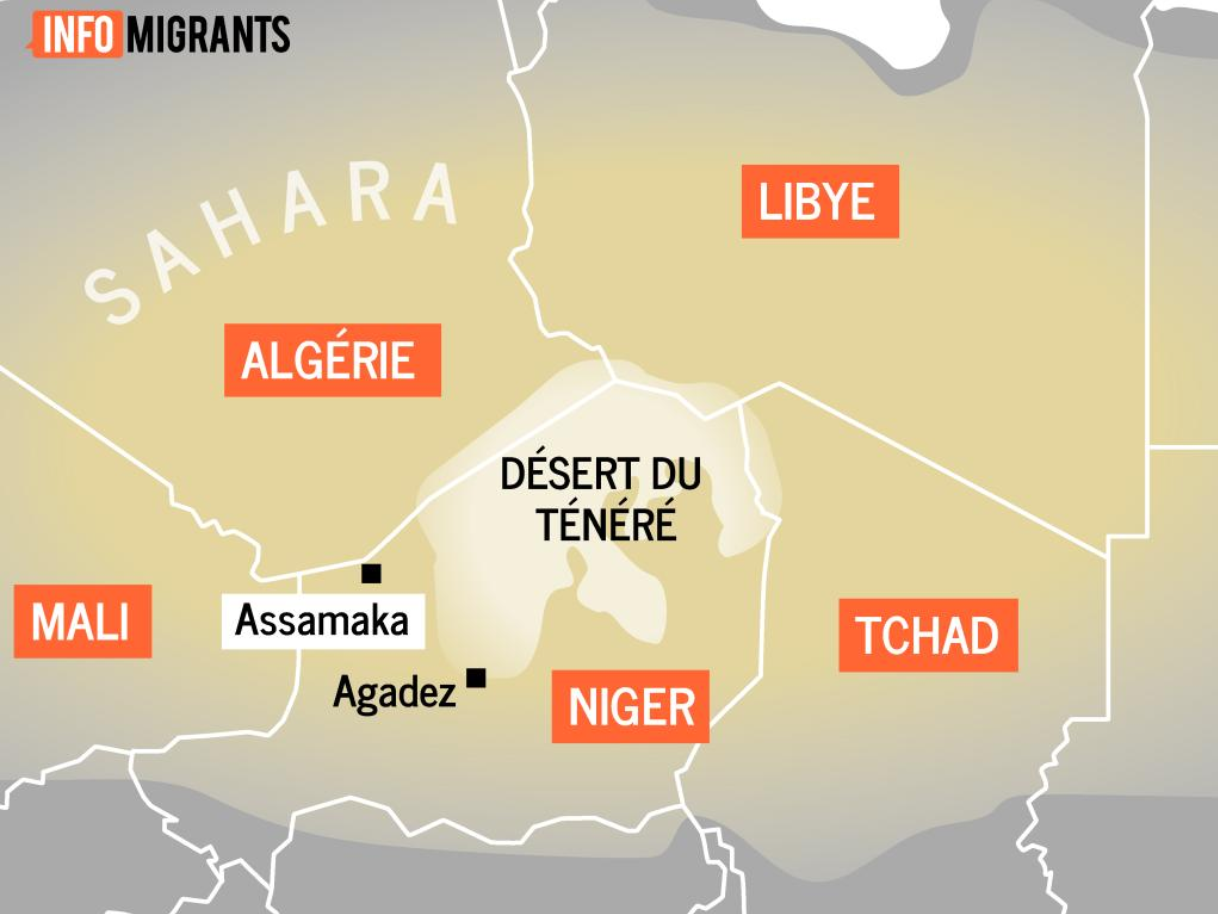
Burkina Faso, Mali and Niger have jointly submitted their bid to host the 2032 Africa Cup of Nations (CAN), positioning the move as a symbol of unity within the Alliance of Sahel States (AES). While framed as a confidence-building gesture for the continent, the initiative raises a critical question: can these nations, currently grappling with severe security challenges, meet the stringent requirements needed to safely host Africa’s premier football tournament?
Security remains the central challenge
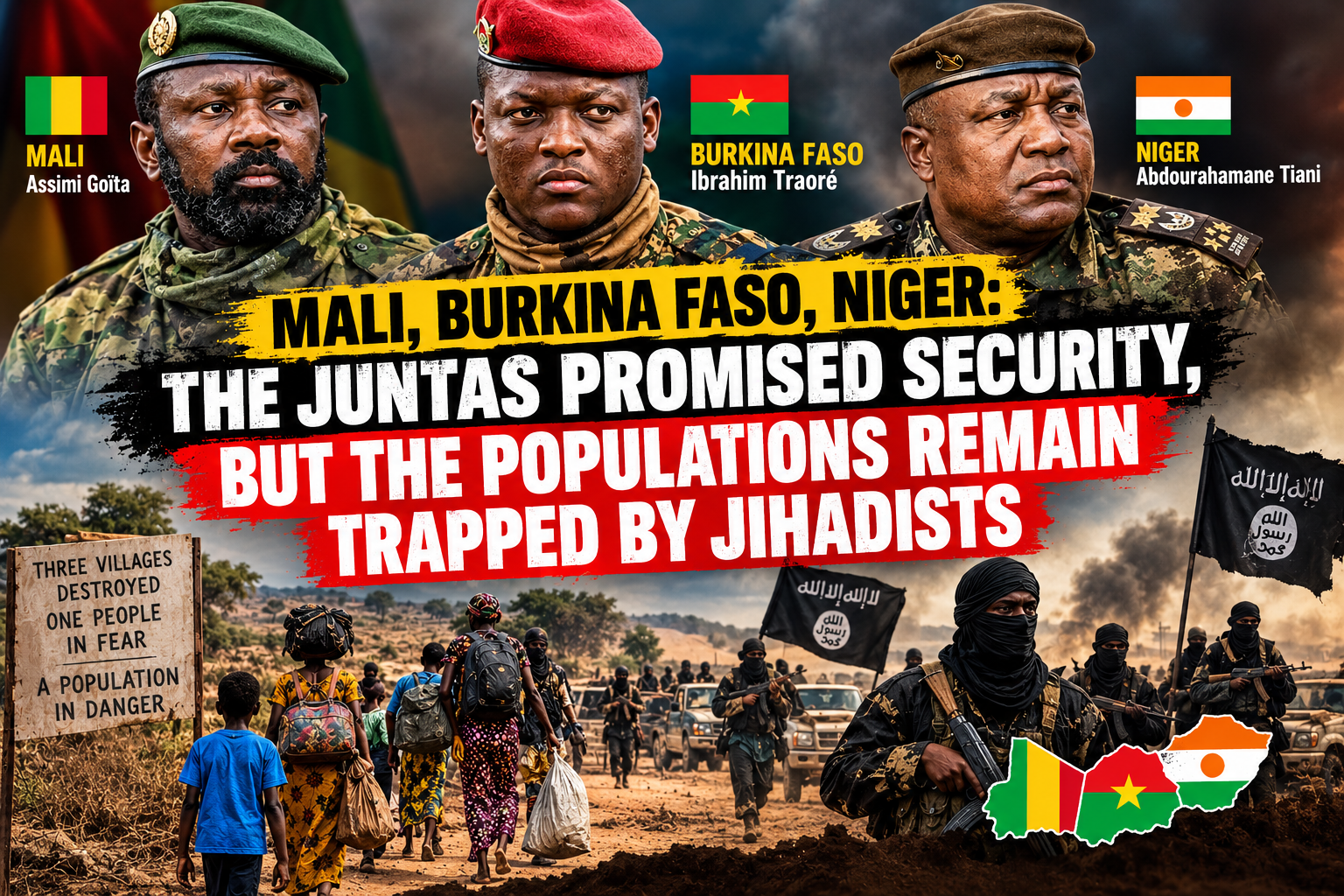
The successful organization of a CAN goes far beyond stadium construction. It demands an environment capable of ensuring the safety of athletes, officials, journalists, supporters and the hundreds of thousands of visitors expected over several weeks. Yet, since military-led governments took power in Burkina Faso, Mali and Niger, their primary justification for seizing control was restoring security and regaining control over insurgent-affected regions. Years later, the reality on the ground tells a different story.
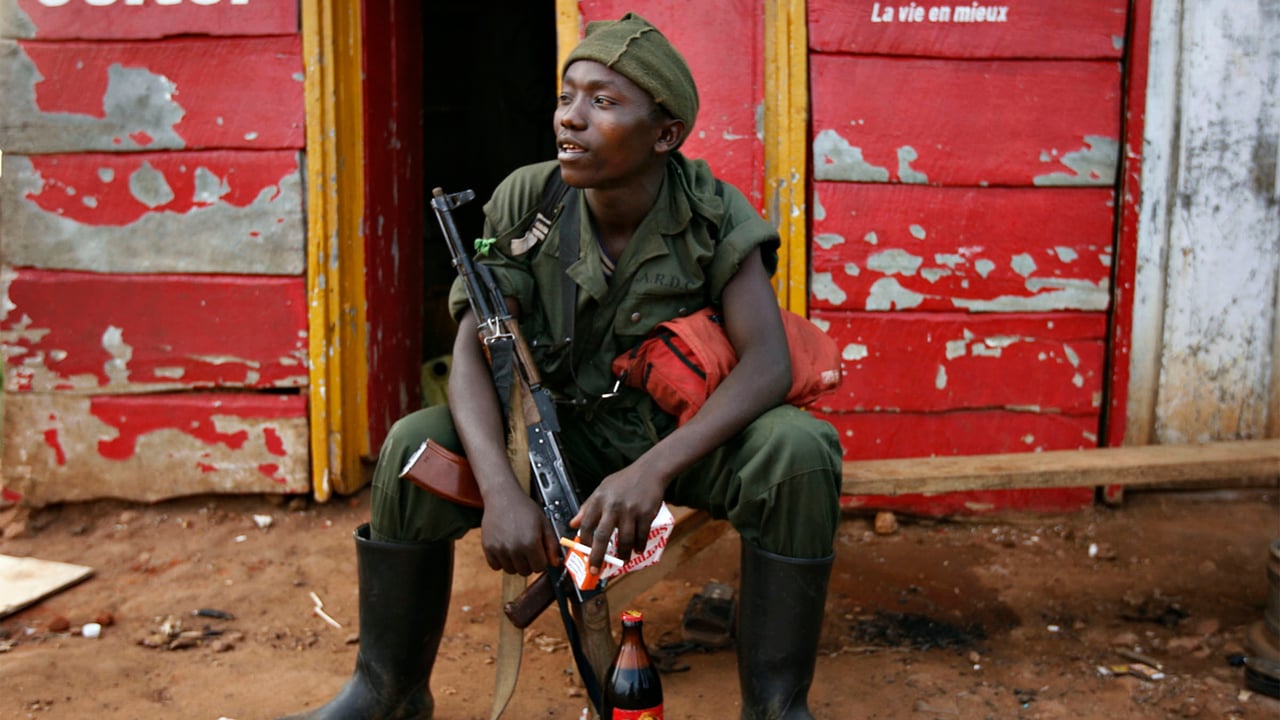
Persistent attacks continue to target civilians, military personnel and critical infrastructure across all three countries. Many areas remain under the shadow of armed groups, where movement and daily life are frequently disrupted. In this context, announcing a bid to host a major continental event may seem premature to some analysts, who argue that the immediate priority should be ensuring the safety of local populations rather than attracting international visitors.
Logistical hurdles compound the challenge
Hosting a CAN requires world-class infrastructure: efficient road and air networks, a robust hotel sector, advanced medical facilities and a credible security framework. Meeting these demands demands substantial investment—precisely at a time when each nation is allocating significant resources to counter insurgencies. The financial strain is evident, raising doubts about whether the necessary funds can be diverted without compromising ongoing security operations.
Moreover, the credibility of any bid hinges on stability. International federations, sponsors and broadcasters prioritize risk minimization when selecting host nations. Any sign of ongoing violence or instability could undermine the bid’s viability, potentially deterring key stakeholders from committing to the project.
National priorities under scrutiny
The decision to pursue the CAN 2032 bid has reignited debates about governance and national priorities. Many citizens had placed their hopes in the military-led transitions, believing these governments would prove more effective in combating armed groups than their predecessors. Yet, the continued presence of insecurity in multiple regions has fueled skepticism about the transitions’ success.
Critics argue that before aspiring to host such a high-profile event, Burkina Faso, Mali and Niger must first demonstrate tangible progress in security, governance and stability. Hosting a CAN is not merely about spectacle—it is about providing ironclad guarantees to participants and citizens alike. Until these foundational challenges are addressed, many will view the bid as misplaced, with the focus rightfully remaining on protecting and securing local communities.
A unifying vision or a distraction?
Proponents of the bid contend that organizing a CAN could serve as a unifying force, fostering regional integration and economic development. While ambition is commendable, its feasibility depends on more than political declarations. It requires verifiable achievements in security, institutional strengthening and public trust. Without these, the bid risks being perceived as a premature distraction from the urgent task of restoring stability in the Sahel.