Mariama Hamani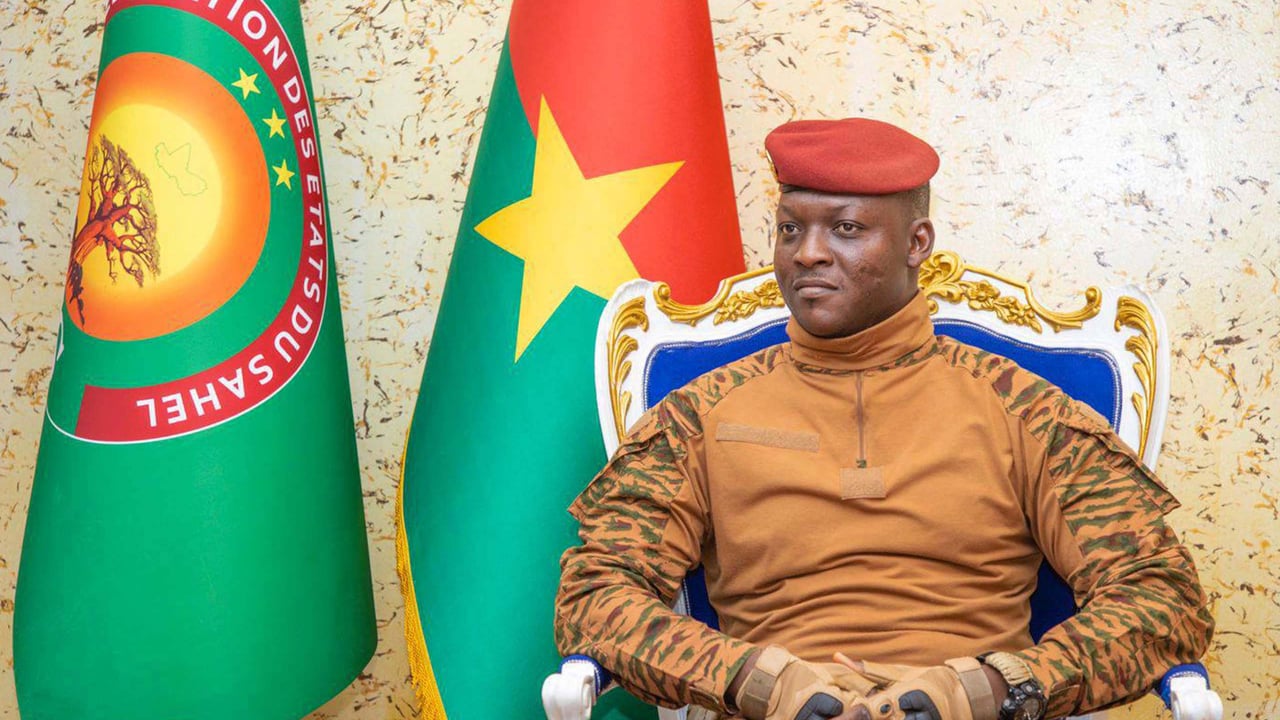

Accusations mount against Burkina Faso’s Ibrahim Traoré over alleged digital militia targeting journalists
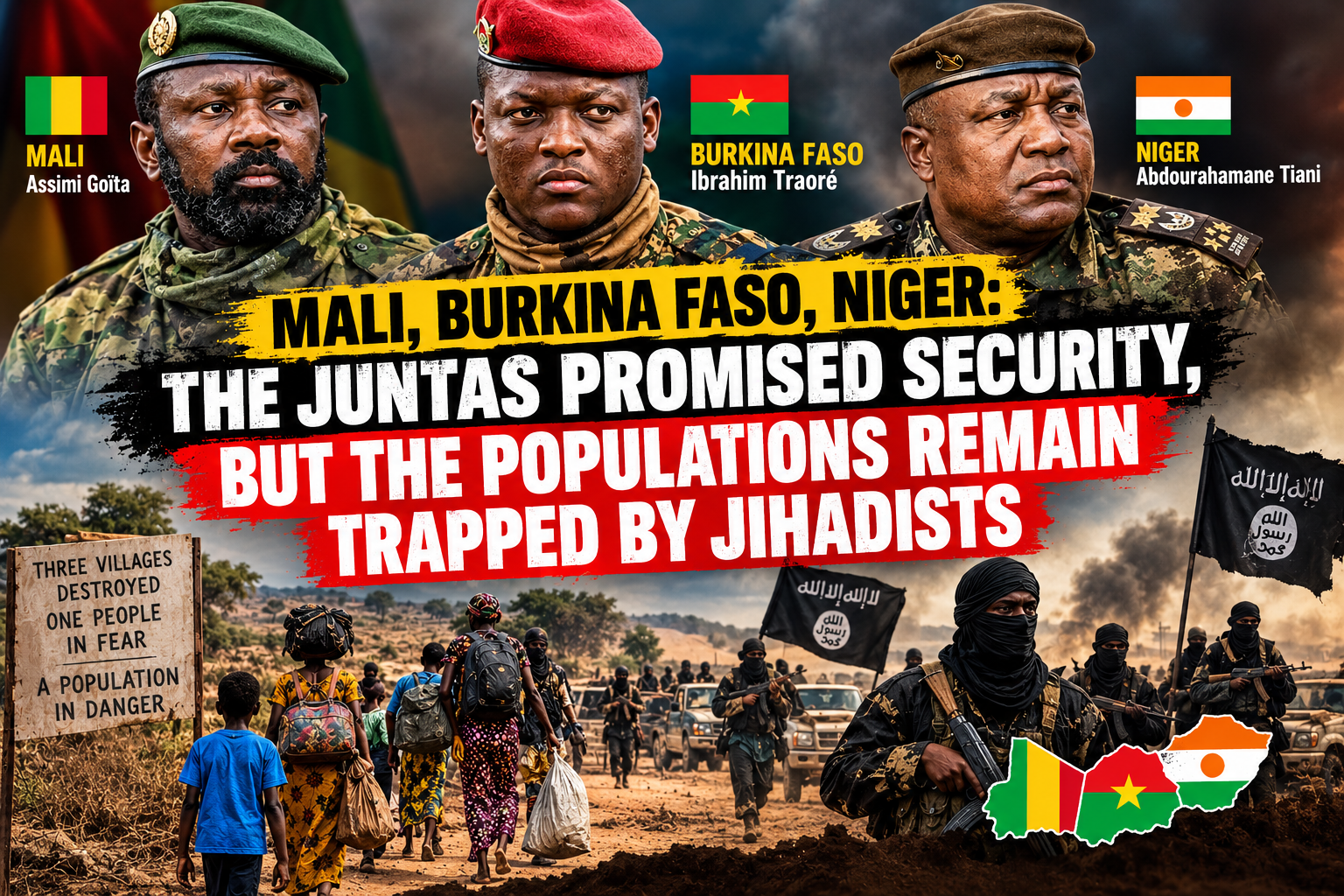
In a recent development, Reporters Without Borders (RSF) has leveled serious allegations against Burkina Faso’s transitional leader, Ibrahim Traoré. The accusations center around the existence of what RSF describes as a digital militia actively targeting journalists and media professionals in the country.
According to the advocacy group, this alleged group employs sophisticated online tactics to intimidate, harass, and silence critics of the current administration. The charges come at a time when press freedom in Burkina Faso faces mounting challenges, raising concerns among international observers about the state of democratic practices in the nation.
How the alleged digital militia operates
The digital militia, as characterized by RSF, is said to function primarily through social media platforms and encrypted communication channels. Reports indicate that its members systematically:
- Monitor journalists’ online activities, tracking articles, social media posts, and professional interactions;
- Launch coordinated disinformation campaigns to discredit critical voices and undermine public trust in independent media;
- Deploy harassment tactics, including threats, doxxing, and smear campaigns against individuals perceived as opponents to the regime.
These operations appear designed not only to suppress dissent but also to create a climate of fear that discourages investigative journalism and public scrutiny of government actions.
Press freedom under siege in Burkina Faso
Burkina Faso’s media landscape has witnessed a sharp decline in press freedom over recent years. Independent journalists increasingly report facing legal harassment, arbitrary arrests, and physical threats while attempting to carry out their professional duties. The emergence of this alleged digital militia adds another layer of danger to an already precarious environment for media workers.
International organizations have repeatedly warned about the erosion of democratic norms in the country. The targeting of journalists through digital means represents a particularly insidious threat, as it extends repression beyond physical borders and into the digital sphere where information flows freely.
Government response remains unclear
As of now, no official statement has been issued by Burkina Faso’s transitional government regarding these allegations. The lack of transparency surrounding these claims only deepens concerns about the extent of state involvement in such operations.
Journalists and human rights advocates are calling for urgent investigations into the existence and operations of this alleged digital militia. They emphasize that protecting press freedom is essential for maintaining democratic governance and ensuring accountability within public institutions.
What’s at stake for Burkina Faso
The situation unfolding in Burkina Faso carries significant implications for the nation’s future. The ability of journalists to operate without fear of digital or physical reprisals is a cornerstone of any functioning democracy. The international community is closely monitoring developments, with many fearing that continued erosion of press freedoms could further destabilize the region.
As Burkina Faso navigates its political transition, the protection of fundamental rights—including freedom of expression and access to information—remains a critical test for its leadership and institutions.

 Boureima Amadou