Boureima Amadou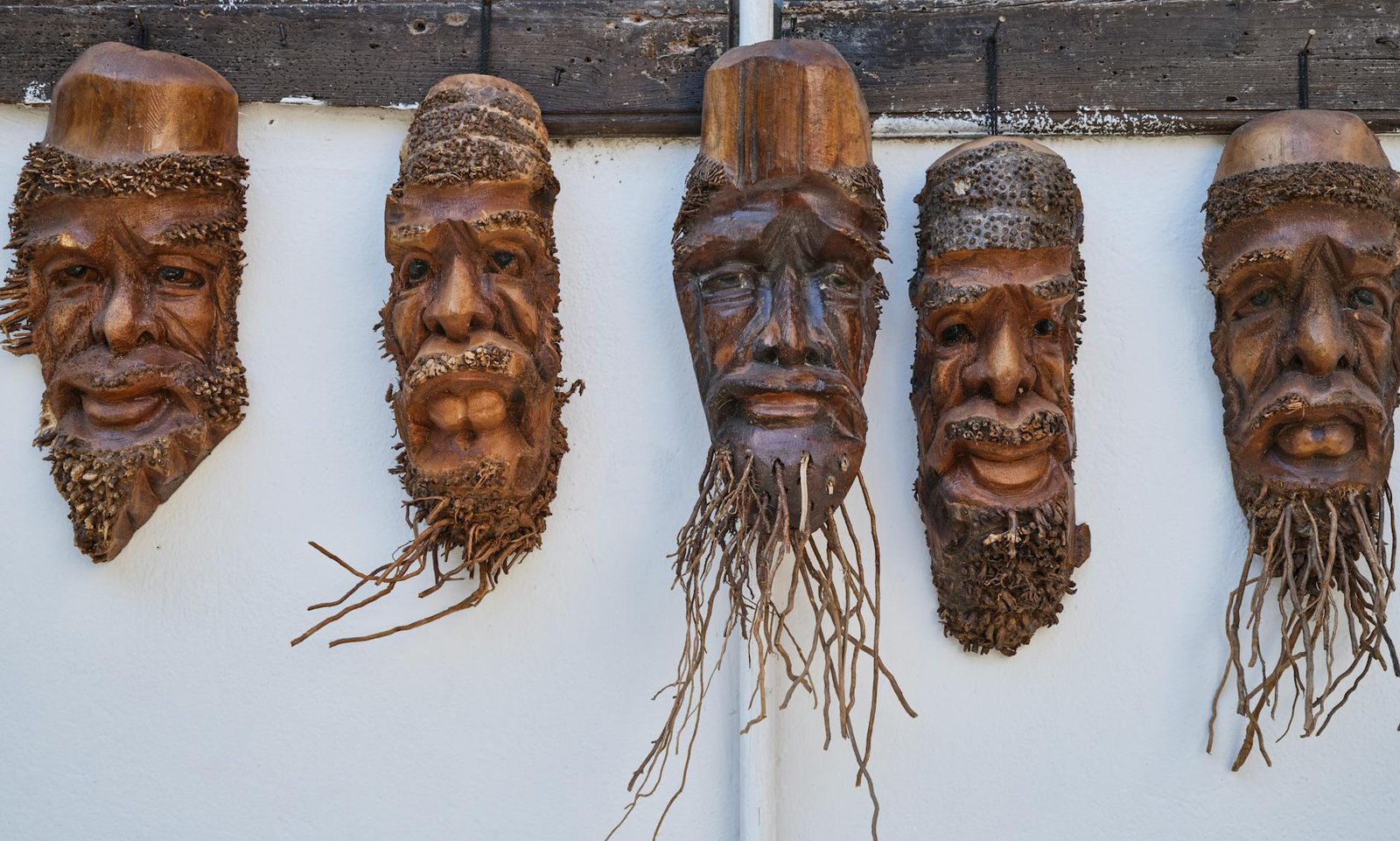
A significant milestone in the restitution of African heritage was reached in Bordeaux this month. On June 1, 2026, the city administration formally declined a legacy consisting of 53 African artworks that had been held within the storage and display cases of the Musée d’Aquitaine. While appearing counterintuitive, this refusal serves as a vital legal maneuver. Under French regulations, public museum collections are governed by the principle of inalienability; by preventing these items from officially entering the public domain, the city ensures they do not become legally impossible to repatriate. This decision primarily clears the way for 33 significant pieces to be returned to Gabon.
A strategic legal framework to bypass property restrictions
The choice made by Bordeaux highlights the inventive institutional methods being used by French local governments to address restitution requests from the continent. Since the 2018 Sarr-Savoy report, the return of cultural assets taken during the colonial era has become a central topic of debate, yet a comprehensive national law remains absent. Consequently, each case currently requires either a specific parliamentary act or a unique legal arrangement. By rejecting the bequest before it was formally integrated into public holdings, Bordeaux has successfully avoided the hurdle of inalienability, maintaining the flexibility required to organize a direct transfer to the nations of origin.
This administrative strategy carries deep political weight. It reflects the commitment of the current municipal leadership to confront a heavy colonial history. Bordeaux, which saw its wealth grow significantly through the Atlantic slave trade in the 18th century, has been increasing its efforts regarding historical memory for several years. This latest action moves beyond the symbolic, utilizing legal mechanisms to enact tangible change.
Gabon set to receive ancestral masterpieces
For Libreville, the return of these artifacts represents more than just a cultural acquisition. The arrival of 33 items from the Musée d’Aquitaine will significantly bolster Gabon’s national collections, supporting a broader policy to revitalize the cultural identities of the Fang, Punu, Kota, and Tsogho peoples. These masks and reliquaries are among the most prized objects in the global African art market. Specifically, Kota reliquary figures often command prices reaching hundreds of thousands of euros at international auctions, underscoring the immense cultural and material value of the items involved.
Since the change in leadership in August 2023, the Gabonese transition government has placed cultural sovereignty at the heart of its national narrative. Reclaiming artifacts removed during the colonial period is a key pillar of this strategy. However, the exact timeline for the transfer remains to be finalized. While the refusal of the legacy in Bordeaux initiates the process, French authorities must still define the precise framework for the physical handover. Simultaneously, Libreville will need to ensure its facilities meet international museological standards for the preservation and exhibition of these treasures.
A potential model for other French municipalities
This initiative in the Gironde region may serve as a blueprint for other French cities holding colonial-era collections with ambiguous legal statuses, such as Marseille, Lyon, Nantes, or La Rochelle. The Bordeaux model offers a faster alternative for restitution, provided the items have not yet been formally recorded in public inventories, as it avoids the lengthy process of waiting for a specific exception law to be passed by Parliament.
The impact of this case is being watched closely far beyond Gabon. Nations including Sénégal, Bénin, Côte d’Ivoire, and Cameroun are monitoring the legal mechanics at play. While the high-profile return of 26 royal treasures to Bénin in 2021 required a dedicated national law, this more discreet method could prove more efficient for handling the thousands of African objects still located in various regional museums across France. The fate of these 33 Gabonese works now stands as a critical test for cultural diplomacy between French local authorities and African governments.


 Mariama Hamani