Mariama Hamani
Bénin’s 2027-2029 budget: a path of controlled growth
Presented to deputies during the budget orientation debate held on Wednesday, 24 June 2026, the 2027–2029 multi-year budget and economic programming document sets the foundation for the financial strategy of the Bénin state for the next three years. Through this reference framework, the government aims to consolidate recent economic performances while preparing a new phase of structural transformation.
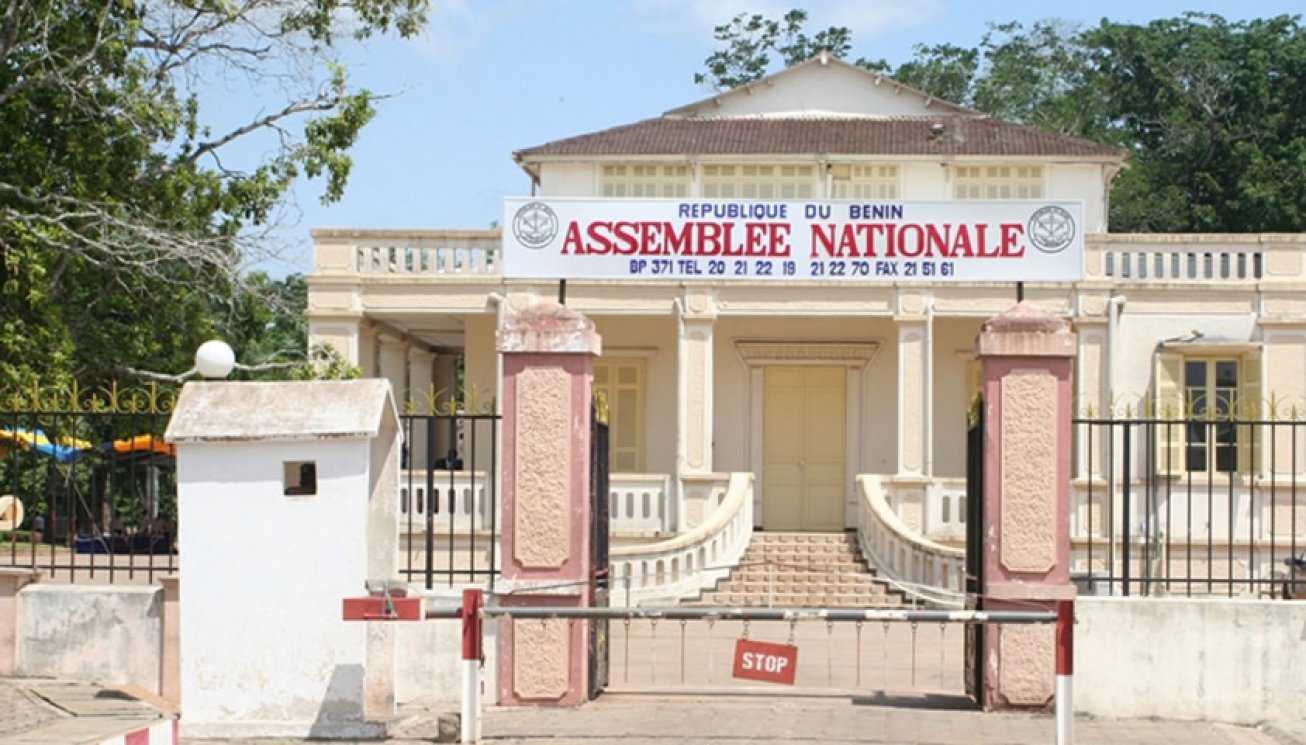
Gathered in a plenary session at the Palais des Gouverneurs in Porto-Novo, parliamentarians reviewed the major options that will guide the preparation of the general state budget for the 2027 fiscal year. This exercise holds particular significance as it marks the first such debate of the new political cycle launched under the government of President Romuald Wadagni.
For the president of the Finance and Exchange Committee of the National Assembly, Gérard Gbénonchi, this debate is a key milestone in the budgetary calendar. It allows both an assessment of the results achieved in recent years and an evaluation of the coherence of the medium-term projections, in a regional and international context that remains unstable.
The macroeconomic data presented reflect notable resilience of the Bénin economy. Between 2023 and 2026, the country managed to maintain a sustained growth momentum despite global geopolitical tensions, energy disruptions, and persistent security challenges in West Africa.
The report submitted to deputies indicates a continuous progression of gross domestic product, with a growth rate rising from 6.4% in 2023 to 7.5% in 2024, then reaching 8.1% in 2025—an unprecedented level since the democratic renewal.
This performance rests on several pillars. The agricultural sector continued to play a central role, while industry, construction and public works, as well as market services and trade, recorded a resurgence of activity. Together, these contributed to strengthening the national productive base and improving macroeconomic balances.
Through the 2027–2029 programming, the government thus displays its ambition to combine budgetary discipline, continued reforms, and structural investments, with the objective of anchoring growth sustainably and broadening its social benefits.


 Boureima Amadou