Mariama Hamani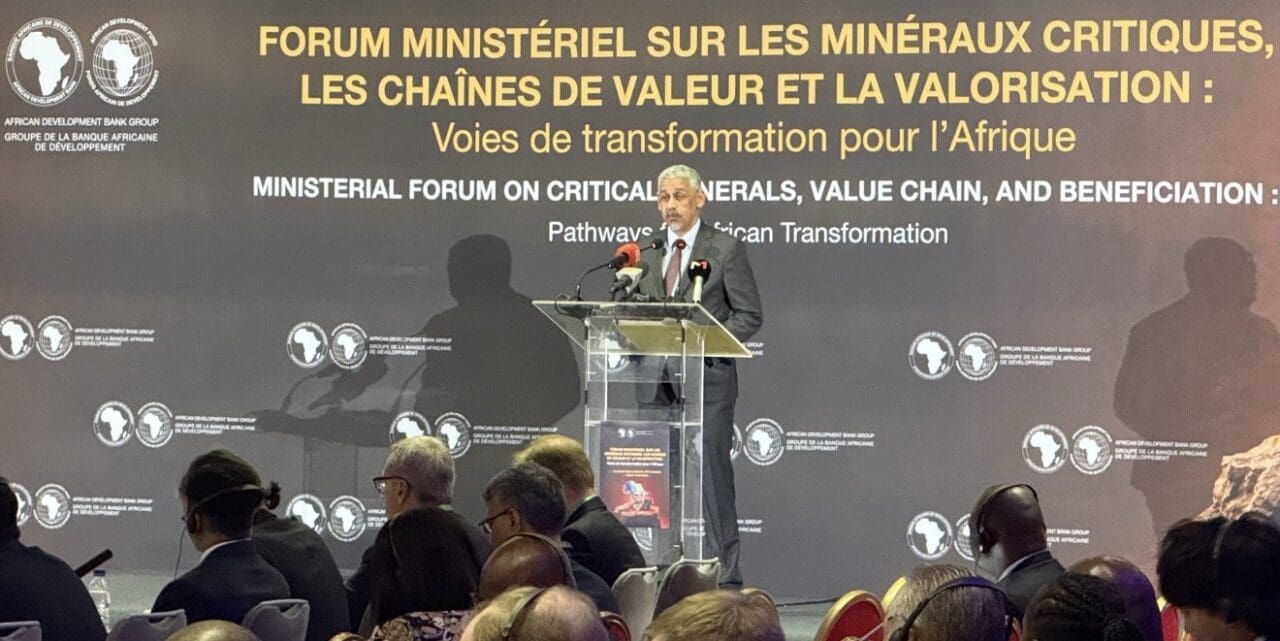
The African mining sector took center stage this week as ministers from mineral-rich nations converged in Abidjan to chart a new course for the continent’s critical mineral resources. The gathering, bringing together policymakers and development partners, aimed to shift Africa’s role from raw material supplier to leader in sustainable industrial growth.
During the ministerial conference, discussions centered on unlocking the full potential of Africa’s vast mineral wealth—estimated at 29.5 trillion dollars—while ensuring equitable benefits for local communities and economies. Key priorities included strengthening regional value chains, boosting local processing, and securing fair financing mechanisms.
Reimagining Africa’s mineral wealth through regional cooperation
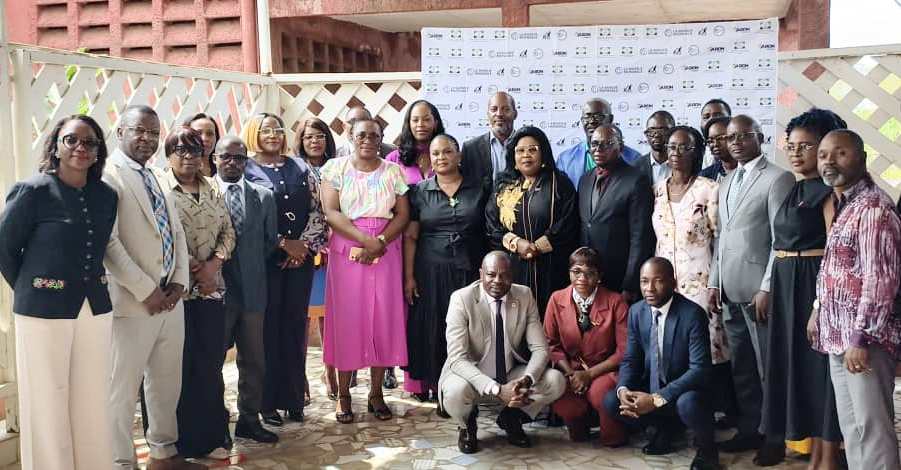
The meeting brought together ministers of Mines, Energy, Industry, and Green Economy from across the continent, alongside representatives from the African Union Commission, the African Continental Free Trade Area secretariat, the UN Economic Commission for Africa, regional development banks, and international investors. The shared vision? To transform Africa’s natural endowments into engines of inclusive development.
Crucially, the gathering emphasized the need for continental solidarity in managing and valorizing critical minerals like cobalt, lithium, graphite, rare earths, platinum group metals, copper, manganese, and nickel—resources in which Africa holds over 30% of global reserves.
A paradigm shift in resource governance
Sidi Ould Tah, President of the African Development Bank, underscored the urgency of reforming how Africa manages its mineral wealth. Speaking at the opening session, he called for a fundamental restructuring of natural resource governance:
« This conference is about more than policy—it’s about reshaping Africa’s economic future. We must move from exporting raw materials to building integrated industrial ecosystems that create jobs and shared prosperity. »
He highlighted the underperformance of Africa’s development finance institutions, noting that over 100 such entities collectively account for just 1% of global development financing. Strengthening and recapitalizing these institutions, he argued, is essential to fund infrastructure and local processing projects.
The Bank’s leader also stressed the need for resilient infrastructure and value-added industries to maximize returns from mineral extraction.
Côte d’Ivoire leads with a bold mineral strategy
Mamadou Sangafowa-Coulibaly, Côte d’Ivoire’s Minister of Mines, Petroleum and Energy, outlined the country’s ambitious plan to harness its subsurface riches. With an estimated 75% of national territory potentially holding critical minerals, the government is positioning mining as a cornerstone of its development agenda.
The minister emphasized the importance of regional collaboration, stating that no single nation can achieve sustainable transformation alone. « Shared prosperity begins with shared value chains, » he said. « We must work together to build industrial corridors that connect mineral-rich nations with manufacturing hubs across Africa. »
Côte d’Ivoire’s long-term mineral and energy strategy (2026–2040), valued at 38 trillion CFA francs, aims to position the country among upper-middle-income nations by 2030. The plan relies on 88% private sector financing to drive infrastructure and processing capacity.
Global demand surges—a chance Africa cannot afford to miss
The stakes could not be higher. Global demand for critical minerals is projected to skyrocket by 2040, with platinum group metals expected to grow by over 1,000%, lithium by 842%, and copper by 88% compared to 2023 levels. The electric vehicle and battery supply chain alone could expand from $7 trillion in 2030 to $59 trillion by 2050.
Africa currently holds nearly 20% of the world’s mineral wealth, yet much remains untapped. Experts warn that without decisive action, the continent risks repeating the cycle of exporting raw materials while importing finished goods—replicating old patterns of dependency.
From extraction to industrialization: a historic turning point
The Abidjan conference signals a turning point in Africa’s economic narrative. By prioritizing local beneficiation, regional integration, and inclusive financing, African leaders are laying the groundwork for a new industrial era—one driven by sustainable resource governance and homegrown prosperity.
As the global energy transition accelerates, Africa stands at a crossroads. The choices made today will determine whether critical minerals become a source of lasting development or another missed opportunity for the continent.


 Boureima Amadou