Boureima Amadou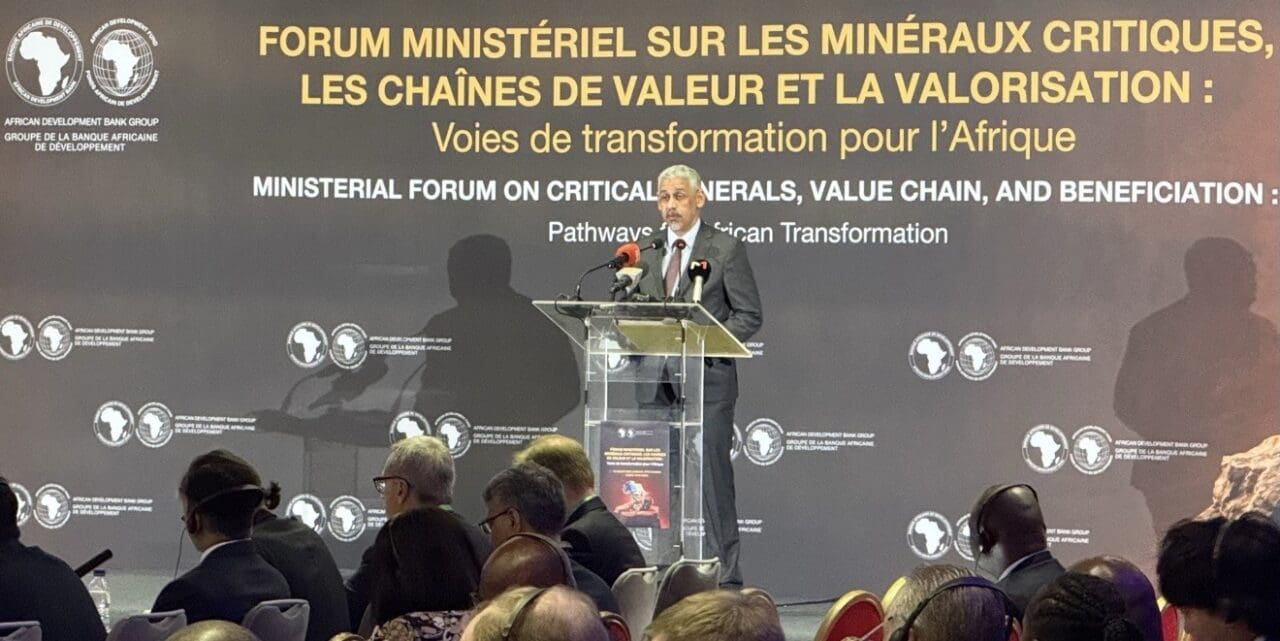
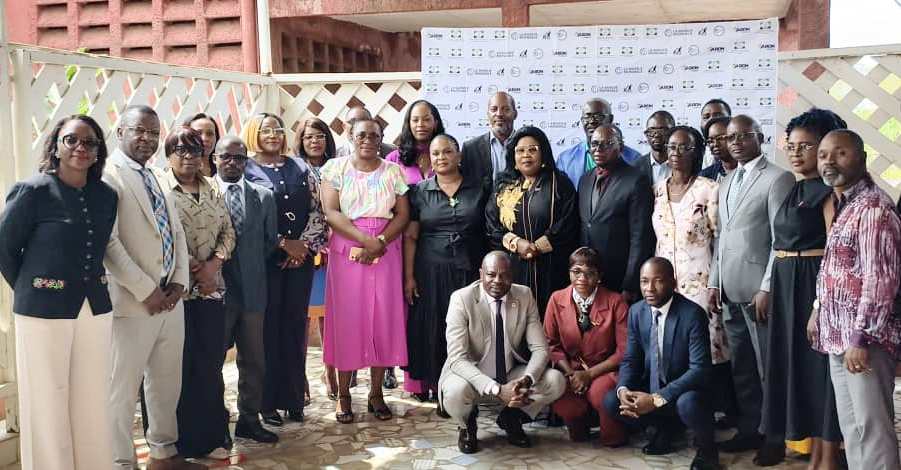
Leaders from Africa’s key mineral-rich nations gathered in Abidjan to chart a bold new path for the continent’s vast mineral wealth—valued at a staggering $29.5 trillion. The focus? Turning these strategic resources into engines for economic growth, industrial progress, and social upliftment through local value addition, sustainable financing, and robust regional supply chains.
Ministers responsible for Mines, Energy, Industry, and Green Economy from across the continent joined forces with representatives from the African Union Commission, the African Continental Free Trade Area secretariat, the United Nations Economic Commission for Africa, regional development banks, financial institutions, and global investors. Together, they convened to redefine Africa’s role in the global minerals market.
Abidjan summit signals a new era for Africa’s mineral economy
The high-stakes meeting in Abidjan was not just another gathering—it marked the launch of a concerted effort to break free from the traditional raw material export model. The goal is clear: maximize Africa’s mineral potential to fuel a sustainable, inclusive, and resilient economic transformation.
«A paradigm shift» for Africa’s mineral wealth
At the opening session, the President of the African Development Bank (AfDB), Sidi Ould Tah, delivered a powerful call for a fundamental overhaul of how Africa manages its natural resources. «This conference is about reshaping the continent’s relationship with its mineral wealth,» he stated. «We must move beyond extraction to create tangible benefits for our people through local processing, industrialization, and value addition.»
He underscored the urgent need to strengthen Africa’s development financing ecosystem. «Africa hosts over 100 development finance institutions, yet their combined assets represent just 1% of global development finance. Consolidating and recapitalizing these institutions is non-negotiable if we are to unlock the full potential of our mineral sector,» he emphasized.
For the AfDB chief, resilient infrastructure and homegrown industries are the twin pillars that will enable Africa to extract maximum value from its mineral riches while ensuring broad-based prosperity.
Côte d’Ivoire charts a bold course for mineral-led growth
The Ivorian delegation, led by Minister of Mines, Petroleum, and Energy Mamadou Sangafowa-Coulibaly, positioned Côte d’Ivoire as a regional frontrunner in mineral exploitation. «The real challenge is transforming these underground treasures into lasting wealth and shared prosperity,» he said. «No single country can achieve this alone. We must forge regional value chains that uplift all of us.»
The Minister revealed that nearly three-quarters of Côte d’Ivoire’s landmass holds potential for critical minerals, positioning the country as a future powerhouse in the global mineral economy. This vision aligns with President Alassane Ouattara’s ambition to elevate Côte d’Ivoire to upper-middle-income status by 2030.
To realize this goal, Abidjan has unveiled a comprehensive mineral and energy strategy for 2026–2040, backed by a $38 trillion FCFA investment plan—88% of which is expected to come from private sector participation.
Global demand surge meets Africa’s untapped potential
Africa is home to roughly 30% of the world’s reserves of minerals critical for the energy transition—including cobalt, lithium, graphite, rare earths, platinum group metals, copper, manganese, and nickel. The continent’s mineral wealth is estimated at $29.5 trillion, more than eight times its annual GDP and nearly 20% of global reserves. Yet, around $8.6 trillion of this potential remains untapped.
Meanwhile, global demand for these minerals is skyrocketing. By 2040, demand for platinum group metals is projected to surge by over 1,000%, lithium by 842%, and copper by 88% compared to 2023 levels.
A historic moment for industrial transformation
This surge in demand is being driven by the global energy transition, with the electric vehicle and battery supply chain alone expected to expand from $7 trillion in 2030 to $59 trillion by 2050. African leaders are determined to seize this moment—not as passive suppliers of raw materials, but as active architects of a new industrial order.
By fostering local processing, building regional value chains, and ensuring that mineral wealth translates into jobs, infrastructure, and inclusive growth, Africa is poised to redefine its place in the global economy.

 Mariama Hamani