Mariama Hamani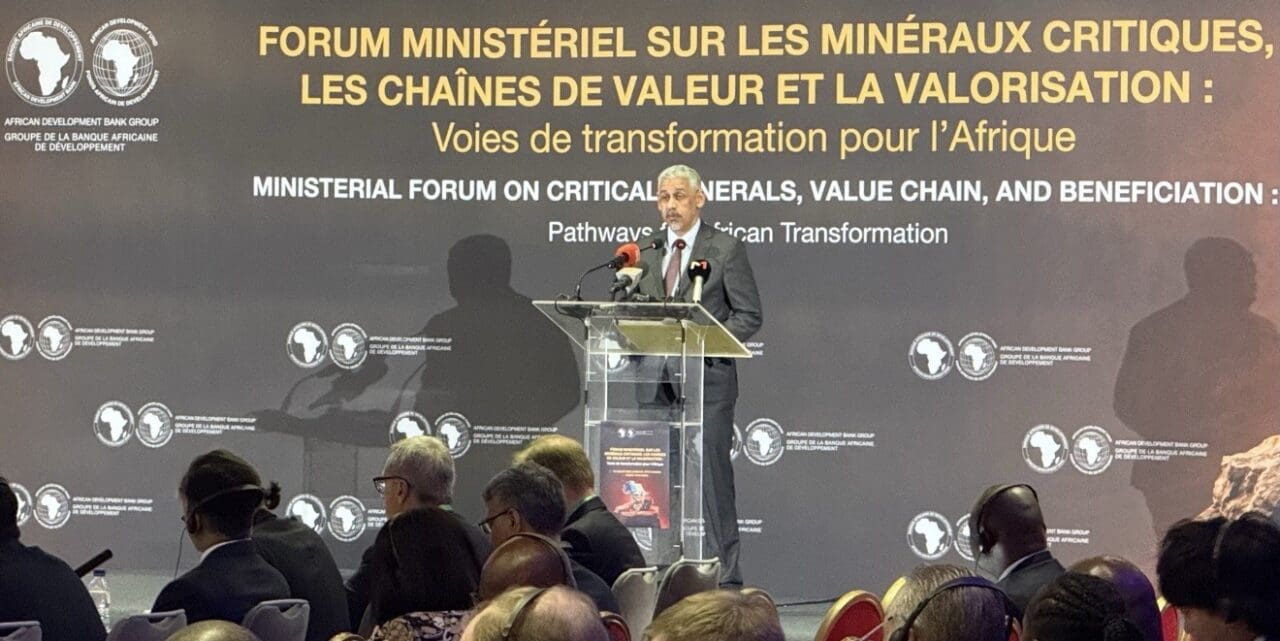
At a landmark gathering in Abidjan, African nations rich in critical minerals and their international partners convened to forge a unified strategy. The aim? To transform the continent’s vast mineral wealth into a driving force for economic growth, industrial progress, and social advancement. Discussions centered on local value creation, sustainable financing, and the development of regional supply chains to meet surging global demand.
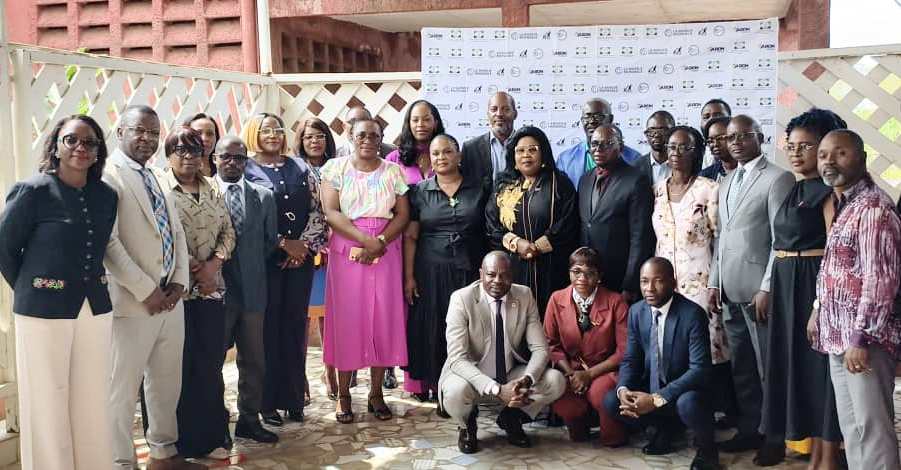
Ministers from mineral-rich African countries, alongside representatives from the African Union, the African Continental Free Trade Area secretariat, and regional development banks, joined forces to redefine Africa’s role in the global minerals economy. The meeting underscored a collective commitment to harnessing natural resources for inclusive, long-term prosperity.
Abidjan hosts pivotal negotiations on Africa’s mineral future
The conference brought together key stakeholders: ministers of Mines, Energy, Industry, Green Economy, and Natural Resources from across the continent. They were joined by delegates from the United Nations Economic Commission for Africa, international financial institutions, and private investors, all united by a shared vision of economic empowerment through resource governance.
The central ambition? To ensure Africa fully capitalizes on its estimated 29.5 trillion dollars worth of critical mineral reserves—resources that hold the key to the continent’s industrial transformation and global competitiveness.
a paradigm shift in mineral governance
In his opening address, the President of the African Development Bank (AfDB), Sidi Ould Tah, called for a fundamental overhaul of how Africa manages its natural resources. He framed the conference as a turning point in the continent’s economic trajectory, emphasizing the need for policies that deliver tangible benefits to local communities.
« This gathering is about more than extracting wealth—it’s about reshaping how Africa engages with its mineral endowment, » he stated. « We must prioritize local processing to maximize value, while reforming development financing to ensure these resources fuel sustainable growth. »
The AfDB President highlighted the underperformance of Africa’s development finance institutions, noting that despite over 100 such entities, their combined impact accounts for just 1% of global development finance. Strengthening these institutions, he argued, is essential to unlocking the continent’s potential.
Côte d’Ivoire leads with a bold mineral strategy
The Ivorian Minister of Mines, Petroleum, and Energy, Mamadou Sangafowa-Coulibaly, made a compelling case for regional solidarity. « The path to prosperity cannot be walked alone. While each nation’s approach may differ, collective action is indispensable to building integrated value chains, » he said.
He spotlighted Côte d’Ivoire’s untapped mineral wealth, revealing that up to 75% of the country’s landmass holds potential for critical minerals. This resource base is pivotal to President Alassane Ouattara’s vision of elevating Côte d’Ivoire to upper-middle-income status by 2030.
To achieve this, Abidjan has rolled out a 2026–2040 Integrated Mineral and Energy Policy, backed by a 38 trillion CFA franc investment plan. Notably, 88% of this funding is expected to come from private sector partnerships, signaling a shift toward market-driven development.
a continent poised at the center of global demand
Africa holds a commanding share of the world’s critical minerals: approximately 30% of reserves for cobalt, lithium, graphite, rare earths, platinum group metals, copper, manganese, and nickel. The continent’s mineral wealth is valued at nearly 29.5 trillion dollars—more than eight times its annual GDP and nearly 20% of global reserves. Of this, an estimated 8.6 trillion dollars in untapped reserves remain unexploited.
The stakes are rising. Global demand for platinum group metals could surge by over 1,000%, lithium by 842%, and copper by 88% by 2040, driven by the clean energy transition. The electric vehicle and battery value chain alone is projected to expand from 7 trillion dollars in 2030 to 59 trillion dollars by 2050.
seizing the moment for africa’s industrial revolution
This conference comes at a defining moment. Africa stands at the crossroads of a historic opportunity to break free from the cycle of raw material exports. By developing in-country processing, fostering regional collaboration, and attracting strategic investment, the continent can turn its mineral wealth into a catalyst for industrialization, job creation, and lasting prosperity.