Boureima Amadou
Investing in tomorrow: Benin’s decisive turn toward digital talent development
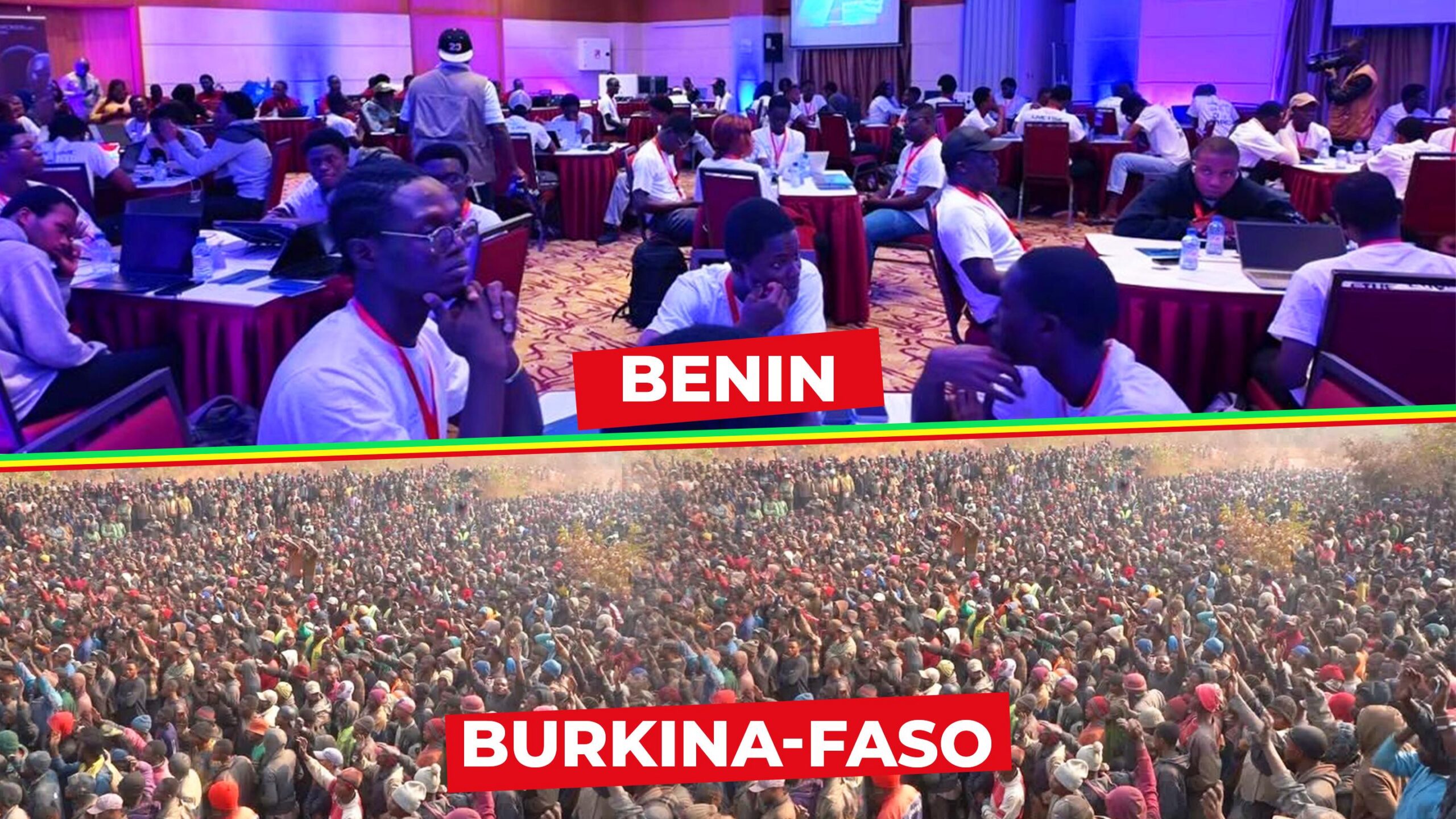
The contrast between two West African nations could not be sharper. As Benin accelerates its digital transformation through targeted talent development initiatives, Burkina Faso faces mounting social and economic pressures that demand immediate attention. This divergence highlights not just different policy priorities but a fundamental question: what kind of future are we building today?
From competition to ecosystem: Benin’s deliberate approach to nurturing tech talent
The Cyber Africa Forum, held in mid-November, was more than just a gathering of young innovators it was a demonstration of strategic foresight. Over two intensive days, teams of digital talent competed in solving real-world technological challenges, showcasing creativity, technical expertise, and problem-solving under pressure. But the true significance of this event lay in its preparation.
Unlike superficial contests designed for spectacle, the Beninese initiative followed a meticulous selection process. Two months before the forum, prospective teams were formed and subjected to daily challenges for a month. Only the top 20 teams advanced to the final round a process that ensured only the most capable and innovative participants reached the stage. This structured approach did more than crown winners; it laid the groundwork for a sustainable tech ecosystem where talent is identified, nurtured, and given room to grow.
Why long-term talent investment matters
In an era where national sovereignty is increasingly defined by technological and digital capabilities, Benin’s strategy reflects a fundamental truth: the future belongs to those who prepare for it today. By investing in education, fostering innovation, and creating pathways for young professionals, the country is not just responding to current trends it is shaping them. The forum underscored how digital skills development can serve as a catalyst for economic growth, job creation, and long-term resilience.
This is a model that goes beyond rhetoric. It demonstrates how governments can actively cultivate an environment where talent thrives, innovation flourishes, and young people see a future within their own borders. While no nation has resolved all its challenges overnight, Benin’s commitment to systematic talent development represents a critical turning point in its developmental trajectory.
Burkina Faso’s urgent social realities: the cost of neglecting economic foundations
Meanwhile, across the border, Burkina Faso grapples with a starkly different challenge. Thousands of artisanal miners, expelled from neighboring Guinea, now face an uncertain future. These workers, many supporting entire families, have lost their livelihoods without immediate solutions. The situation is not merely a logistical issue it is a humanitarian and economic crisis with far-reaching consequences.
For affected individuals, the stakes are clear: food security, housing stability, and the ability to rebuild their lives. Yet, while political controversies and public debates capture headlines, fundamental questions remain unanswered. How many people are directly impacted? What support systems have been established for their return and reintegration? Are there vocational retraining programs or economic reconversion initiatives in place? Transparency and concrete action are essential not just for addressing the immediate crisis, but for restoring trust in public leadership.
The difference between political noise and meaningful governance
It is easy to confuse visibility with effectiveness. Political statements, arrests, and media campaigns can create the illusion of progress, but they do little to address the structural challenges facing communities. Genuine leadership requires more than rhetoric; it demands anticipation, resource mobilization, and the delivery of measurable outcomes.
Burkina Faso’s current predicament serves as a cautionary tale. When social and economic fundamentals are neglected in favor of short-term political posturing, the consequences are stark. Families lose income, communities face instability, and national progress stagnates. The contrast with Benin’s forward-looking approach could hardly be more pronounced.
What kind of Africa will we build? The choices before us
The divergent paths of Benin and Burkina Faso force a critical reflection on governance priorities across the continent. Development is not achieved through slogans or symbolic gestures. It is built through deliberate investment in education, innovation, and job creation pillars that empower youth and strengthen national resilience.
Benin’s Cyber Africa Forum exemplifies a vision where young people are not just participants in the future, but its architects. By contrast, Burkina Faso’s struggles underscore the dangers of prioritizing political spectacle over economic substance. The question for policymakers, then, is clear: will Africa’s next generation inherit a continent of opportunity or one burdened by unaddressed crises?
The answer lies in the choices made today. Will nations continue to oscillate between short-term fixes and real progress? Or will they seize the moment to build the foundations of a sustainable, inclusive, and technologically empowered future? The time for decisive action is now and the stakes could not be higher.
By Boureima Amadou — Journalist


 Mariama Hamani