
 Boureima Amadou
Bridge across borders: how rail history fuels a new cultural honor
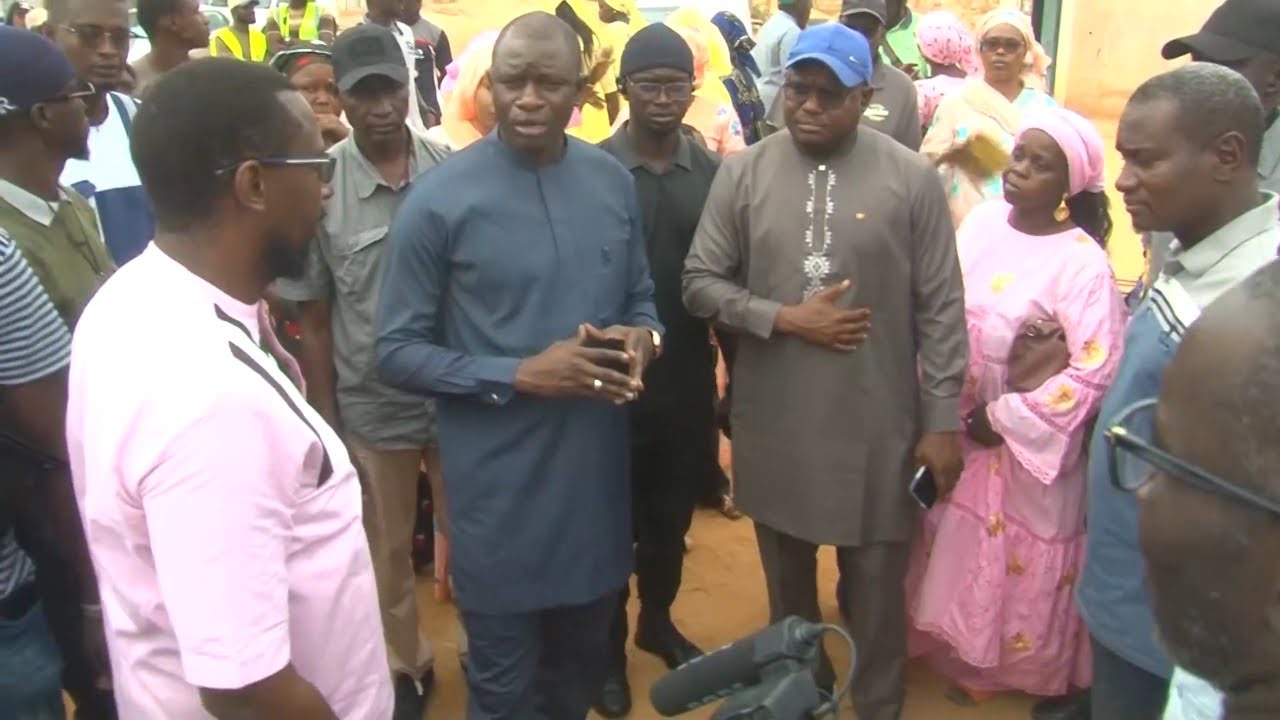
A bold initiative is emerging from Senegal’s railway past—one that could redefine cross-border camaraderie and recognition. Babacar Diop, Mayor of Thiès, recently outlined a vision in Abidjan that draws directly from the shared rail heritage linking Senegal’s rail hub with Côte d’Ivoire’s vibrant Treichville district. It’s more than nostalgia—it’s about turning historical connection into a living legacy of welcome.
Thiès’ identity was shaped by the railway, which drew families from Mali, Côte d’Ivoire, Burkina Faso, Benin, and Cape Verde. Their children grew up together in Thiès’ neighborhoods—just as Treichville, in Abidjan, became a melting pot of cultures, traditions, and shared futures. Speaking at the Treich-Economia forum, Diop framed this legacy not as a relic, but as the foundation for an annual honor.
A new medal: spotlight on those who welcome
Diop proposes a joint medal, awarded every year to individuals or institutions that champion hospitality and integration. He envisions the Presidents of Senegal and Côte d’Ivoire—Bassirou Diomaye Faye and Alassane Ouattara—as honorary patrons, lending presidential weight to a grassroots recognition effort. While the selection process and inaugural ceremony date remain open, the goal is clear: celebrate those who open doors, build bridges, and nurture belonging.
But the vision extends beyond ceremony. Diop wants to see students, artists, and athletes driving exchange programs between the two cities. It’s a call to move from symbol to substance—where collaboration spills into daily life and direct relationships form between residents of Thiès and Treichville. The medal is not just a trophy; it’s a catalyst for connection.
Urban renewal with equity at its core
The forum also spotlighted rapid urban growth, beautification, and sustainable funding for cities. At the heart of Diop’s message: accessible public spaces. He pressed for free access hubs—sports fields, municipal libraries, youth centers, and public gardens—to be strategically placed where they’re needed most. “Look at who’s using these spaces,” he challenged the audience. “Are the young, women, vulnerable residents, and people on the city’s edge truly included?”
For Diop, true urban renewal isn’t about glass towers or new roads—it’s about human dignity. It’s about ensuring that no one is left behind as cities evolve. And in that spirit, the proposed medal becomes more than a cultural gesture; it becomes part of a broader movement toward inclusive communities and shared pride.
The power of local leadership
Local leaders like Diop are uniquely positioned to bridge divides. By anchoring a cultural honor in a shared rail history, he’s not just honoring the past—he’s steering both cities toward a future where hospitality is celebrated, and inclusion is the standard. Whether through sport, art, or civic engagement, the medal could spark a wave of exchanges that reshape how these cities see themselves—and how the world sees them.
The full potential of this initiative lies in what comes next: the selection of honorees, the first ceremony, and the ripple effects across communities. It’s a turning point—one where history doesn’t just inform identity, but actively shapes it.

 Mariama Hamani





