
 Mariama Hamani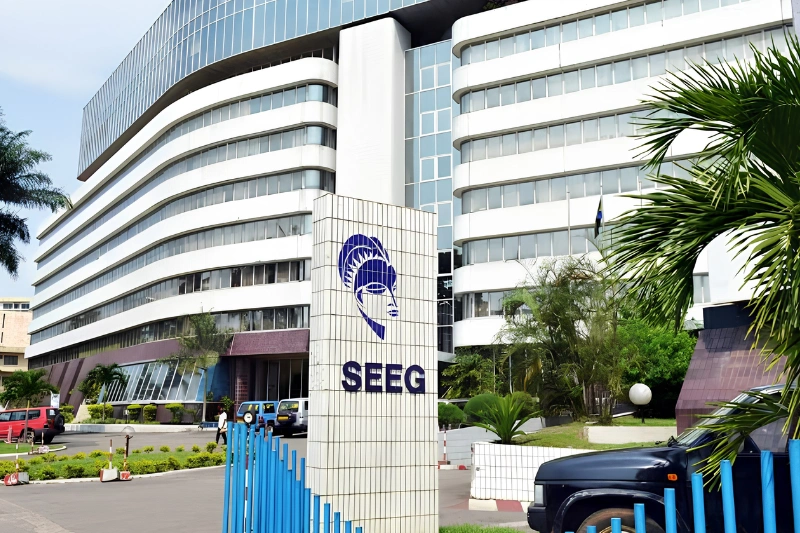
Gabon’s water and electricity crisis: a call for patience and reform
In a rare moment of candor, the President of Gabon has once again addressed the persistent issue of unreliable water and electricity supply, acknowledging that immediate solutions are not yet within reach. While emphasizing the government’s substantial investments during the Transition period, he urged citizens to remain patient as systemic challenges remain unresolved.
Access to clean water and stable electricity continues to elude many households across Libreville and rural regions. Despite significant financial commitments from the state, the population struggles to meet basic needs. The Head of State has vowed to end this long-standing ordeal, pointing to years of mismanagement in the energy and water sectors.
Highlighting the inefficiencies of the Gabonese Energy and Water Company (SEEG), the President announced a bold restructuring plan. “The current structure of SEEG cannot sustain investment—it must be reformed,” he stated, citing bloated staffing levels with only a fraction possessing the necessary technical expertise. “Out of 2,300 employees, just 300 are engineers, and about 500 work in the field.”
The proposed reform will split SEEG into two distinct entities: one dedicated to water services and the other to electricity. This strategic separation aims to enhance accountability, streamline operations, and improve service delivery in both critical sectors.
Breaking down the SEEG reform
- Production, distribution, and commercialization overhaul: The restructuring will realign responsibilities to ensure efficient resource allocation and performance.
- Reduced workforce inefficiencies: By addressing overstaffing while preserving essential roles, the new structure seeks to balance operational costs and service quality.
- Targeted investment opportunities: Separating the entities is expected to attract specialized funding and expertise for each sector.
Though the road to recovery is long, the government’s commitment to transparency and reform signals a step toward addressing Gabon’s most pressing infrastructure challenges.


 Boureima Amadou





