Mariama Hamani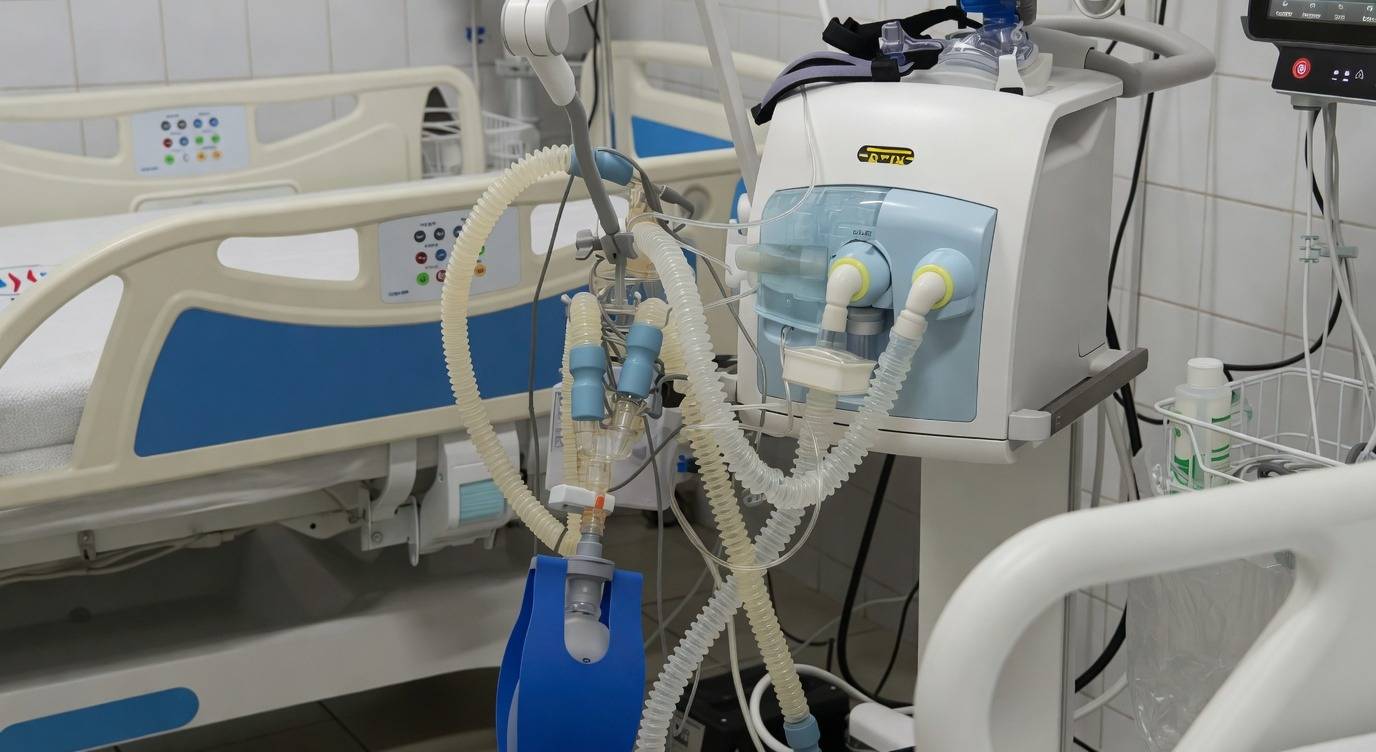
Bénin’s health system undergoes a radical transformation with immediate lifesaving care
In a groundbreaking shift for public health, Bénin has prioritized human life over financial barriers in emergency medical care. The country’s health authorities have formally implemented a policy where urgent medical intervention takes precedence over payment obligations. The directive is unequivocal: ‘Treat first, settle the bill later.’
At the forefront of this initiative are two of Cotonou’s most critical healthcare institutions: the Centre National Hospitalier Universitaire Hubert Koutoukou Maga (CNHU-HKM) and the Hôpital de la Mère et de l’Enfant Lagune (HOMEL). These facilities are now equipped to handle life-threatening emergencies without delay or financial impediments.
A fully mobilized healthcare infrastructure
Previously, emergency care access was frequently contingent on upfront payments or the procurement of medical supplies by distressed family members. That obstacle has now been removed.
The revamped emergency response system is characterized by:
- Instant stock availability: The CNHU-HKM and HOMEL emergency pharmacies have been fully stocked with essential medications, medical consumables, and resuscitation kits. Medical teams can administer treatments immediately without prior financial approval.
- Round-the-clock staffing: Medical and paramedical personnel remain on duty continuously to ensure rapid triage and immediate care upon patient arrival, whether by ambulance or self-admission.
A senior emergency physician at CNHU-HKM underscored the urgency of the new protocol: ‘Our sole focus in the first critical minutes is stabilizing the patient. Administrative and financial considerations come only after the individual’s life is no longer at immediate risk.’
A streamlined and rapid care pathway
To eliminate delays and ensure efficiency, the emergency care process follows a structured, linear protocol:
- Immediate admission and triage: Upon arrival, patients are assessed without delay by qualified staff to determine the severity of their condition.
- Direct medical intervention: Confirmed life-threatening cases receive immediate treatment and medication—no upfront payment required. The priority is restoring vital functions without compromise.
- Post-stabilization follow-up: Once the emergency subsides, billing is processed retroactively. Patients in need receive social services support to manage financial obligations in a compassionate and tailored manner.
Sustainability remains a challenge
While widely praised as a historic humanitarian milestone, the policy presents a significant operational challenge: maintaining adequate stock levels and ensuring cost recovery after treatment. The government is banking on public responsibility and targeted subsidies to sustain this groundbreaking model of free initial emergency care.
By removing financial hurdles at the point of care, Bénin has taken a decisive step toward universal health coverage. At its core, this reform places human dignity and the right to life at the heart of national health policy.


 Boureima Amadou