Boureima Amadou
vandalism at Gabon’s media regulator sparks security concerns
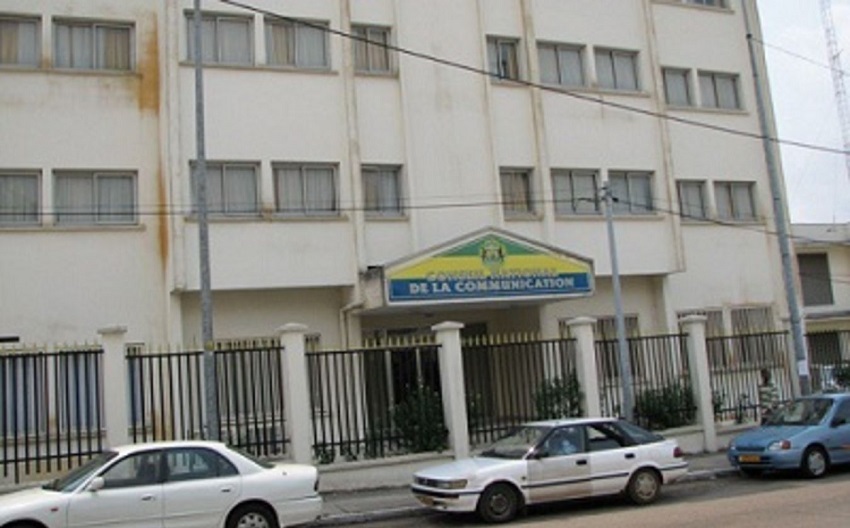
Libreville, june 3, 2026 — the recent vandalism of several offices at Gabon’s media regulator has raised serious questions about the security of public institutions in the country.
The incident goes beyond mere administrative damage. Four offices belonging to senior advisors at the High Authority for Communication (HAC) were forcibly entered and vandalized, sparking concerns about the protection of institutions tasked with overseeing media regulation and public communication. In an era where media governance and information integrity play a pivotal role in democratic societies, any attack on a regulatory body carries significant implications.
Investigations reveal that intruders forced their way into restricted areas to gain access to the targeted offices. Entry points were deliberately breached, allowing unauthorized individuals to infiltrate the premises. As of now, the full extent of the damage and the motives behind the intrusion remain unclear, with no official statements issued regarding the incident.
a cornerstone of democratic governance
The High Authority for Communication is a critical pillar in Gabon’s institutional framework. Its responsibilities include enforcing regulations on media operations, audiovisual communication, and public information dissemination. Given its role in balancing freedom of expression, editorial responsibility, and public order, the HAC’s protection is essential to maintaining democratic balance.
While no direct link has been established between the vandalism and the HAC’s regulatory functions, the incident underscores the urgent need to bolster security measures for institutions entrusted with safeguarding public interest.
safeguarding public institutions
One of the most troubling aspects of this breach is the apparent ease with which intruders accessed multiple offices on higher floors. This raises critical questions about the effectiveness of existing security protocols in public administration buildings. Beyond material loss, the incident challenges the state’s ability to protect its strategic infrastructure.
In many modern democracies, regulatory bodies receive heightened security due to the sensitivity of the information they handle and their role in preserving public order. The Libreville incident highlights that institutional security is not merely a logistical concern—it is fundamental to the credibility and continuity of government operations.
uncovering the motives behind the intrusion
Several theories are circulating about the incident’s motives. Was this an act of vandalism intended to cause disruption? A burglary attempt? Or a targeted operation to access sensitive documents or equipment? Without official clarifications, definitive answers remain elusive.
This uncertainty makes the ongoing investigation and damage assessment even more critical. Authorities must determine the intruders’ motives, methods, and any security vulnerabilities that facilitated their entry.
a wake-up call for government agencies
While the HAC was the primary target, this incident serves as a warning to all public institutions in Gabon. In an era of digital data management, sensitive document handling, and evolving governance challenges, securing workspaces is no longer optional—it is a strategic imperative.
Protecting institutions is not just about preserving state assets; it is about defending administrative continuity, public trust, and the smooth functioning of the republic. The investigation will undoubtedly identify those responsible, but the broader lesson lies in addressing systemic gaps to ensure regulatory bodies can perform their duties in a fully secure environment.
When a media regulator’s offices are forcibly entered, the damage transcends physical destruction. It calls into question the very principle of protecting public institutions at a time when governance and transparency are paramount.