Boureima Amadou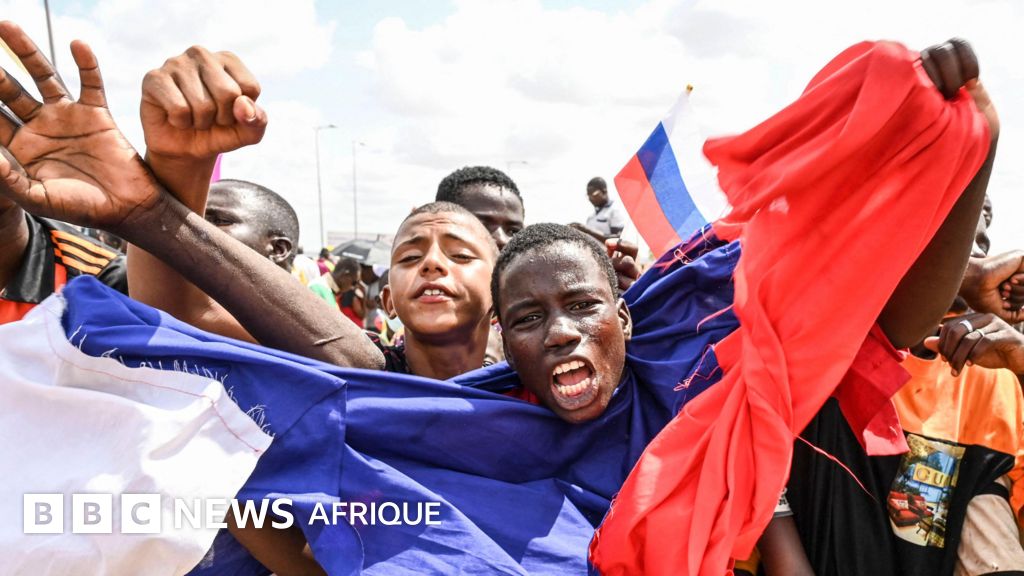
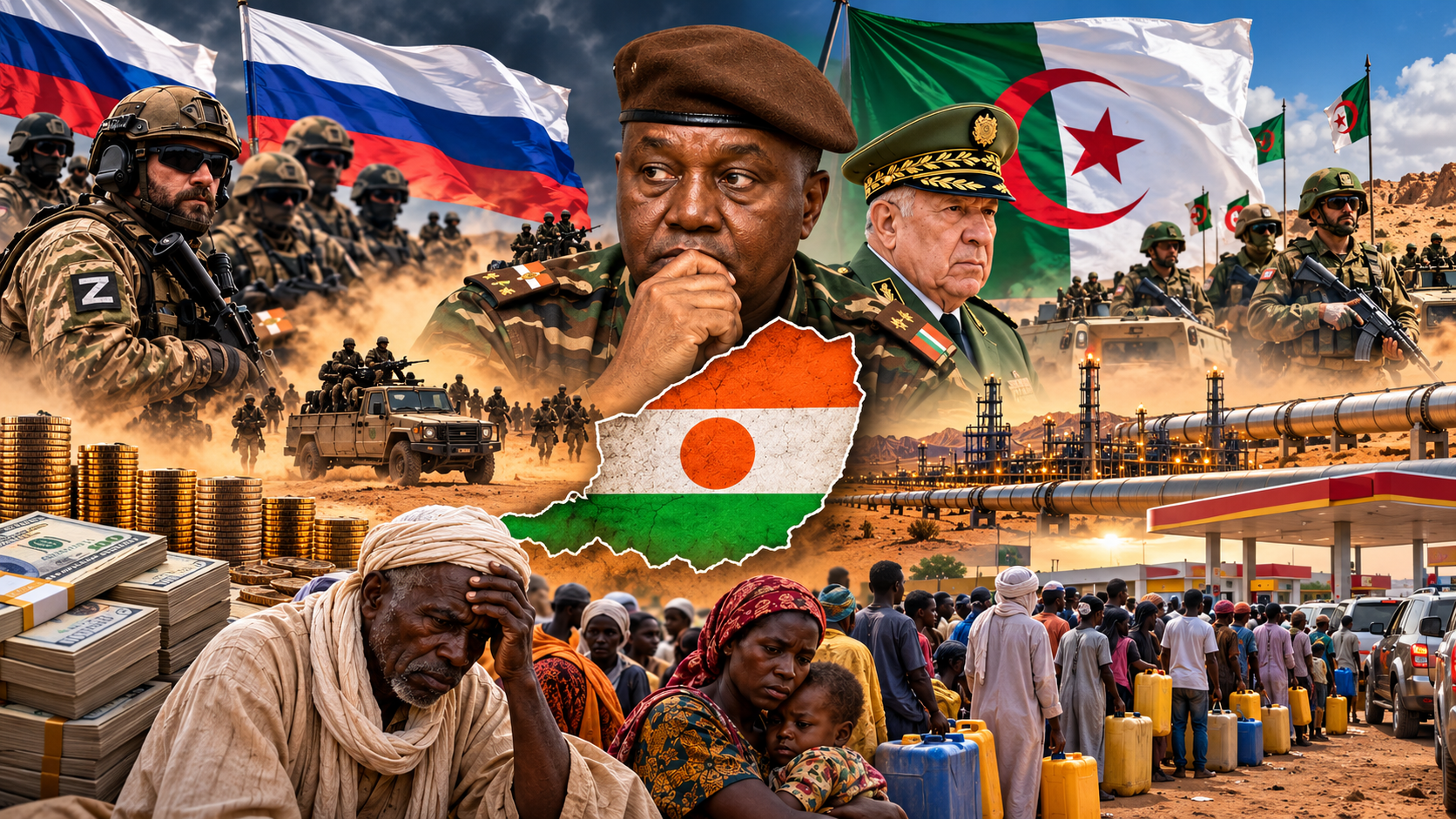
The United States has initiated a strategic shift in its foreign policy toward three West African nations—Burkina Faso, Mali, and Niger—where military-led governments have pivoted away from traditional allies like France toward Moscow. This realignment comes as Washington seeks to counterbalance growing Russian influence while prioritizing regional security concerns.
rebuilding alliances in the Sahel
In a bold diplomatic move, the U.S. Department of State announced a high-level visit by Nick Checker, head of the Bureau of African Affairs, to Bamako, the capital of Mali. The agenda underscores Washington’s commitment to deepening cooperation with the Mali junta while extending an olive branch to neighboring Burkina Faso and Niger. The visit signals a departure from past U.S. policies that had imposed restrictions on military collaboration following coups in these nations between 2020 and 2023.
Unlike previous administrations, the current U.S. leadership is placing less emphasis on democratic governance and human rights, opting instead for a pragmatic approach that aligns with the junta’s anti-Western rhetoric. This stance reflects a significant shift in Washington’s priorities under the new administration.
security and minerals take center stage
Since assuming office, the U.S. government has taken decisive steps to recalibrate its engagement with the Sahel. Key actions include:
- Discontinuing aid programs: The closure of USAID operations in the region marked a stark departure from long-standing development initiatives.
- Refocusing on security and resources: Washington’s strategy now prioritizes counterterrorism efforts and access to critical minerals, including uranium, lithium, and gold, which are vital for global supply chains.
- Respecting sovereignty: The U.S. has explicitly acknowledged the legitimacy of the junta’s rule, a move designed to foster stronger diplomatic ties.
countering russian influence in west africa
The Kremlin’s growing presence in the Sahel—through military advisors, mercenaries, and resource extraction deals—has raised alarm bells in Western capitals. The U.S. sees an opportunity to reclaim influence by offering alternative security partnerships, particularly in Niger, where Russian and Wagner Group operatives have expanded their footprint. However, Washington’s approach remains cautious, avoiding direct confrontation while ensuring it does not cede strategic ground to Moscow.
U.S. officials have downplayed concerns about Russian activities, with one senior advisor stating, “While democracy is valued, our policy is not to interfere in the internal affairs of other nations. The people of these countries have the right to choose their own path.”
the Sahel’s terror threat
The Sahel has emerged as a global hotspot for jihadist activity, with the Islamic State in the Greater Sahara (ISGS) and other militant groups exploiting ungoverned spaces. Recent attacks, including a high-profile assault on Niamey’s international airport, underscore the urgency of the situation. The region now accounts for nearly half of all terrorism-related fatalities worldwide, posing a severe threat to both local stability and international security.
Washington’s renewed focus on the Sahel aligns with its broader counterterrorism strategy. General John Brennan, Deputy Commander of AFRICOM, confirmed U.S. support for military operations against jihadist groups, including the Islamic State. However, he emphasized that this assistance would not involve boots on the ground, instead relying on intelligence sharing, training, and potential arms supplies.
regional cooperation and the AES alliance
The formation of the Alliance of Sahel States (AES) by Burkina Faso, Mali, and Niger has reshaped regional dynamics. The withdrawal from the ECOWAS bloc has left these nations outside the scope of traditional governance frameworks, but it has also opened the door for pragmatic security collaborations. Countries like Benin, Togo, Ivory Coast, and Ghana—all grappling with cross-border militant threats—are now seeking ways to engage with the AES despite ideological differences.
While military solutions may provide short-term gains, experts warn that lasting stability in the Sahel requires addressing deep-rooted socio-economic challenges. The region’s extreme poverty, weak governance, and environmental pressures continue to fuel recruitment for extremist groups, making a purely security-focused approach unsustainable.
what’s next for u.s.-Sahel relations?
The U.S. is walking a tightrope: balancing its strategic interests in counterterrorism and resource access while avoiding entanglement in another “endless war.” With Russia’s influence expanding and Europe’s role diminishing, Washington’s engagement in the Sahel will likely intensify—though in a more limited, targeted manner than in past conflicts.
For now, the focus remains on leveraging intelligence, logistics, and limited military support to weaken jihadist networks. Yet, the long-term success of this strategy hinges on whether Washington can reconcile its security goals with the region’s pressing humanitarian and developmental needs.


 Mariama Hamani