Boureima Amadou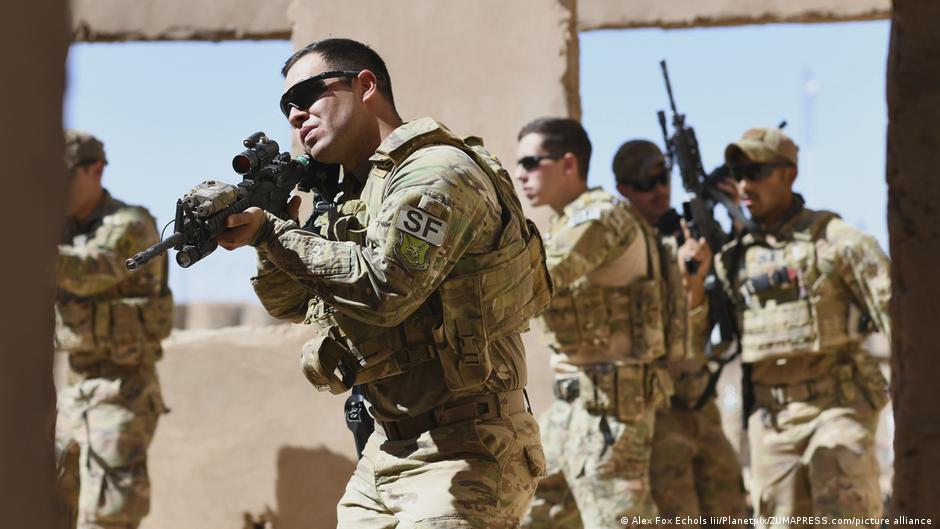
US maintains security cooperation with Sahel military regimes
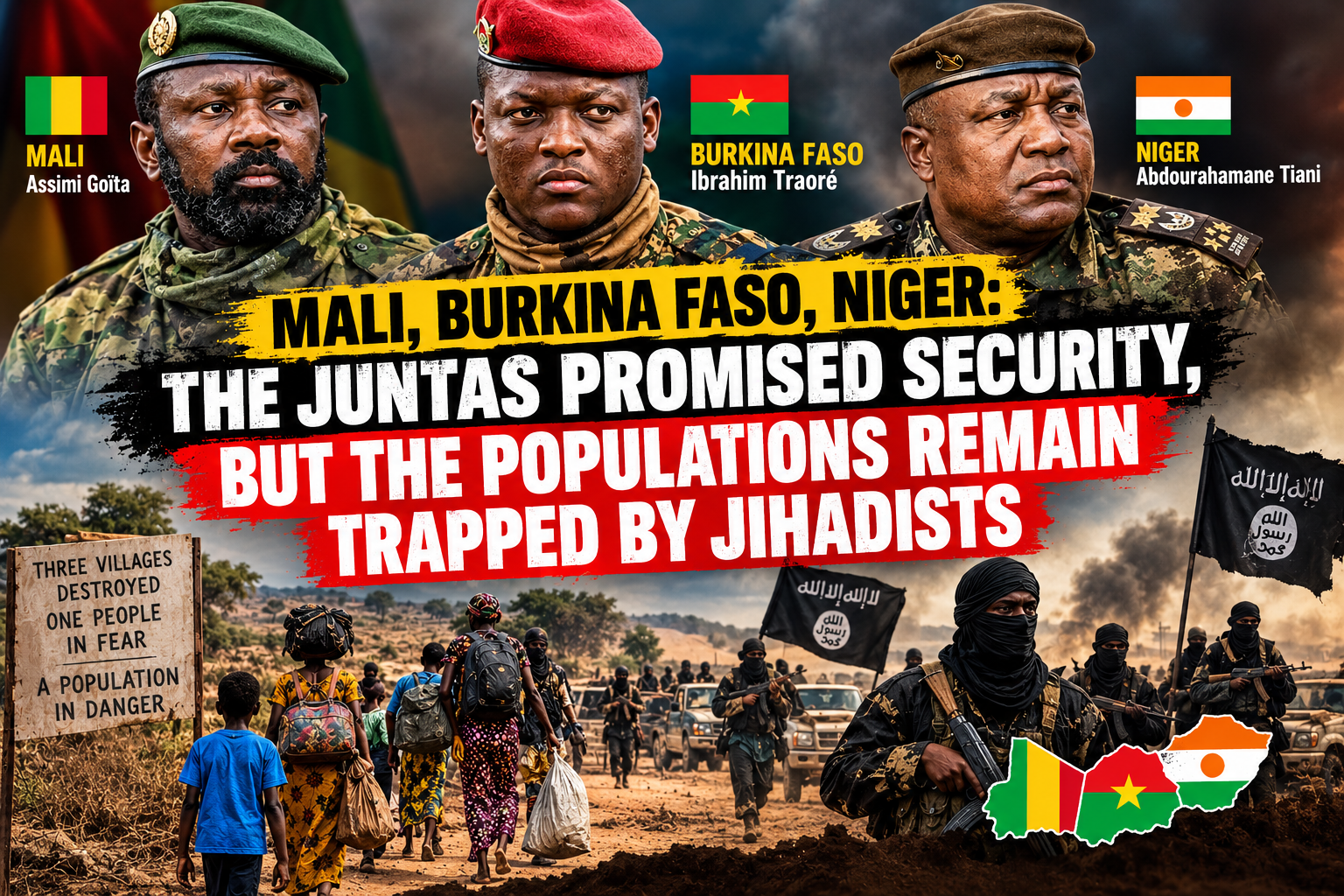
Despite strained relations over recent years, the United States continues to engage in security cooperation with the military authorities of the three nations comprising the Alliance of Sahel States (AES)—Burkina Faso, Mali, and Niger. This ongoing collaboration was confirmed by General John Brennan, Deputy Commander of US Africa Command (AFRICOM).
The announcement comes amid significant shifts in regional dynamics, as these countries transitioned to military-led governments following coups in recent years. While Washington maintains a pragmatic approach to counterterrorism efforts in the region, the decision has sparked debates about the consistency of US foreign policy in dealing with regimes that emerged from unconstitutional takeovers.
information sharing and counterterrorism efforts
According to General Brennan, the US is still collaborating with these governments, even sharing critical intelligence to target terrorist organizations. However, he acknowledged a stark contrast between current cooperation and the situation just a few years prior.
“We are still collaborating. We have even shared information with some of them to strike key terrorist targets, but the situation is vastly different now than it was two or three years ago.”
“We are working to reassure them of our intent to support them, but there are clearly competing actors spreading misinformation and disinformation about our motives. We are trying to penetrate this network.”
Experts suggest that Washington’s pragmatic stance is primarily driven by its commitment to combating terrorism in the region. Yet, this approach raises questions about the long-term coherence of US policy toward governments that came to power through military coups.
strategic interests beyond counterterrorism in the Sahel
Abdoulmoumouni Abbas, a researcher specializing in radicalization and violent extremism prevention in the Sahel and Lake Chad Basin, emphasized that US interests in the region extend far beyond counterterrorism efforts.
“The United States has significant strategic interests in the Sahel, which have justified its presence in areas like Agadez at times. These interests include combating drug trafficking, transnational organized crime, terrorism, and migration challenges—all of which have intensified, particularly organized cross-border crime.”
In recent months, the US military has significantly increased its supply of equipment and intelligence-sharing with Nigeria as part of a broader strategy to combat Islamic State-affiliated jihadists in the region.
Despite this, General Brennan clarified that Washington does not intend to replace its military bases in Niger, following the forced withdrawal of American troops by the country’s military leadership. This statement appears aimed at reassuring regional public opinion amid ongoing geopolitical uncertainties.
balancing security cooperation and political principles
The delicate balance between maintaining security partnerships and upholding democratic principles remains a challenge for US policymakers. While cooperation with military-led governments may yield short-term security benefits, it also risks undermining broader efforts to promote stability and governance in the region.


 Mariama Hamani