Boureima Amadou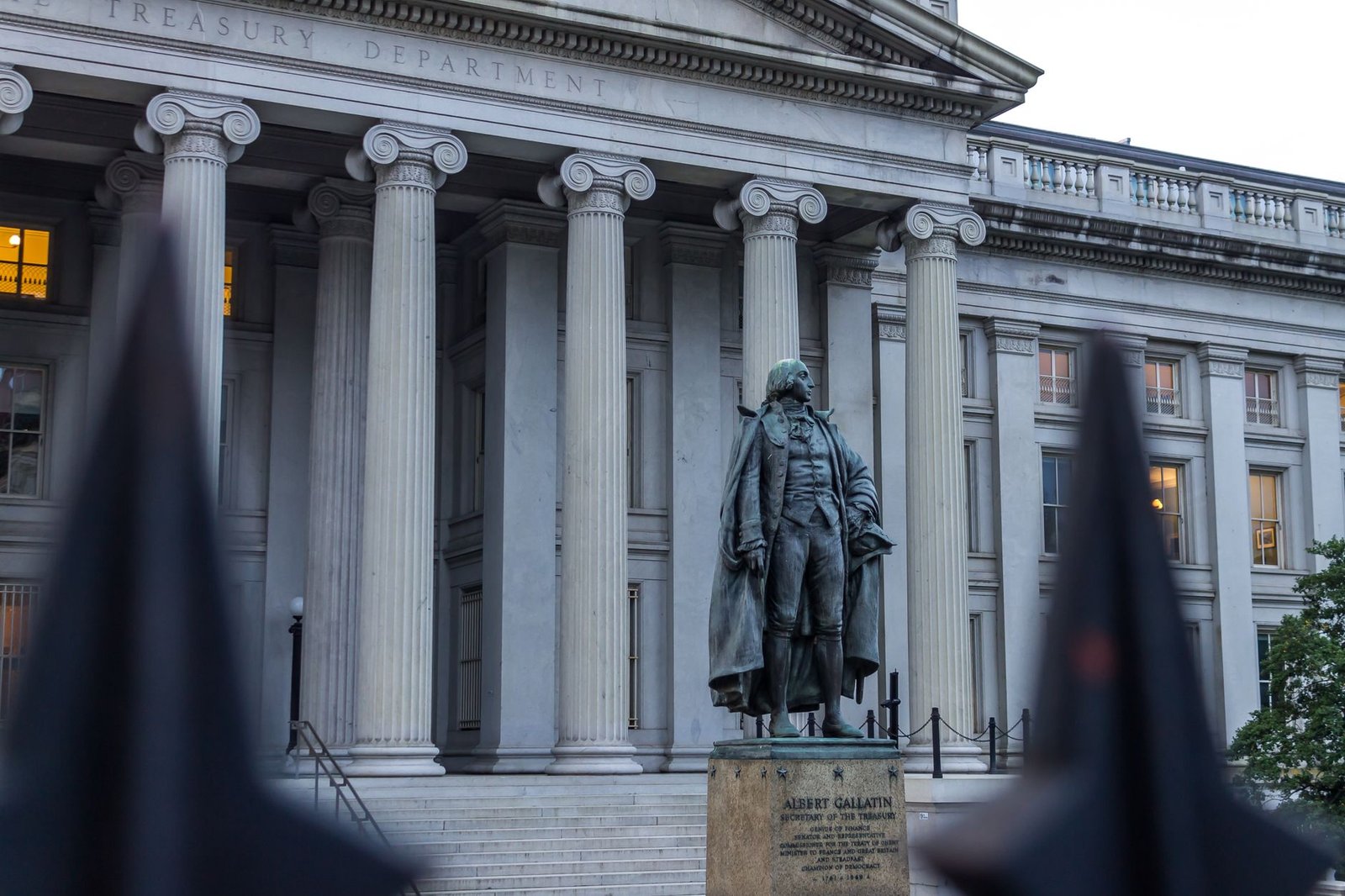
The United States has escalated pressure on key actors fueling the prolonged conflict in eastern Democratic Republic of Congo (DRC). The U.S. Department of the Treasury announced fresh sanctions targeting two individuals deeply involved in the violence plaguing North and South Kivu provinces: a senior intelligence officer within the Alliance Fleuve Congo/M23 (AFC/M23) and a commander from the Rwanda-backed Forces Démocratiques de Libération du Rwanda (FDLR). This move follows an earlier round of sanctions in early March, which penalized the Rwandan military and four of its top officials for alleged support to the M23 rebel group.
Precision strikes against armed group command structures
What sets these sanctions apart is their targeted approach. Previous measures primarily focused on entire organizations or state institutions suspected of aiding the M23. By focusing on specific individuals embedded within operational networks, Washington is directly disrupting the inner workings of both the AFC/M23 and the FDLR. The designated AFC/M23 intelligence leader, according to U.S. authorities, plays a pivotal role in intelligence gathering and operational planning across North Kivu, where the group maintains control over key territories, including Goma and Bukavu.
The FDLR commander targeted in these sanctions belongs to an organization long recognized as a terrorist entity by multiple international jurisdictions. Composed largely of former Hutu génocidaires who fled to the DRC after 1994, the FDLR has been repeatedly cited by Kigali as justification for cross-border military operations. By sanctioning figures from both the M23 and FDLR simultaneously, the U.S. is sending a clear message: it refuses to prioritize blame and aims to cut off financial lifelines to both factions.
Shifting U.S. policy in the Great Lakes region
These sanctions are part of a broader diplomatic strategy unfolding across the Great Lakes. Since the start of the year, U.S. officials have intensified engagement with Kinshasa, Kigali, and regional mediators. The March sanctions against the Rwandan Defence Forces (RDF) marked a turning point by directly naming Rwandan generals and implicating the military as a conflict participant. The latest measures take this approach further by targeting lower-level figures within non-state armed groups.
On the ground, the M23 continues to hold significant swathes of territory in North Kivu, including strategic urban centers captured during the year’s initial offensive. Efforts to broker a lasting ceasefire under Qatari and Angolan mediation have yet to yield meaningful results. While these sanctions alone will not alter the military balance, they restrict the targeted individuals’ access to international financial systems, freeze any U.S.-held assets, and expose collaborators to secondary penalties.
Financial pressure with uncertain impact
Yet questions remain about the tangible effectiveness of these measures. Leaders of armed groups in eastern DRC often operate outside conventional banking systems, relying instead on informal networks—particularly those tied to the trade of gold, tin, tantalum, and tungsten. Conflict mineral tracking NGOs have documented for years how these resources fund both the M23 and FDLR through cross-border networks involving Rwanda, Uganda, and, to a lesser extent, Burundi.
The primary impact of these individual sanctions may lie in their political signaling. They provide a legal foundation for European allies considering similar steps, while also undermining efforts by targeted figures to launder funds or rebuild legitimacy. The European Union took its own measures in March, imposing restrictions on Rwandan and Congolese figures linked to the conflict. Transatlantic coordination on the Great Lakes appears to be strengthening after years of relative Western detachment, during which the M23 expanded its influence with minimal international scrutiny.
For Kinshasa, these announcements represent a diplomatic victory, albeit a modest one. President Félix Tshisekedi’s government has advocated since 2022 for stricter sanctions against Kigali and its proxies. For Rwanda, which consistently denies direct involvement, the expanded U.S. designations complicate official narratives and hinder lobbying efforts in Washington.