Boureima Amadou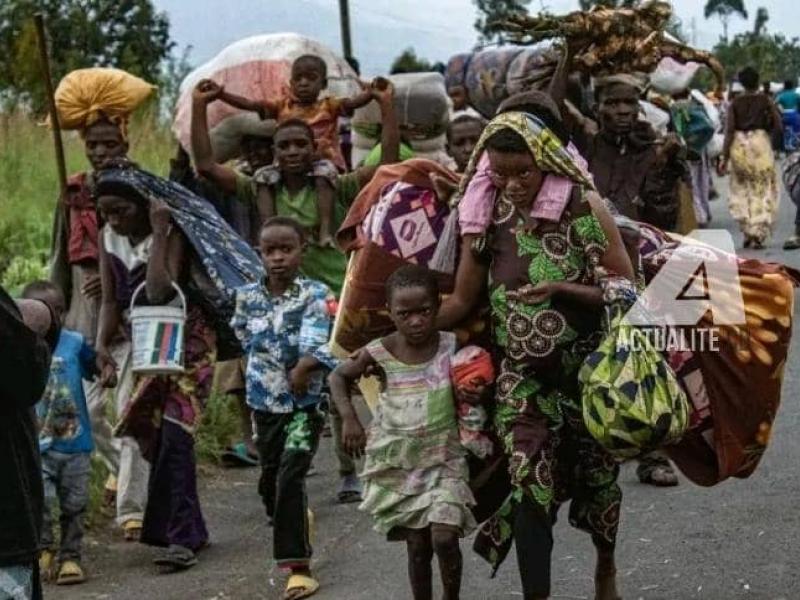
DRC faces critical humanitarian funding shortfall as UN calls for urgent donor action
- Society
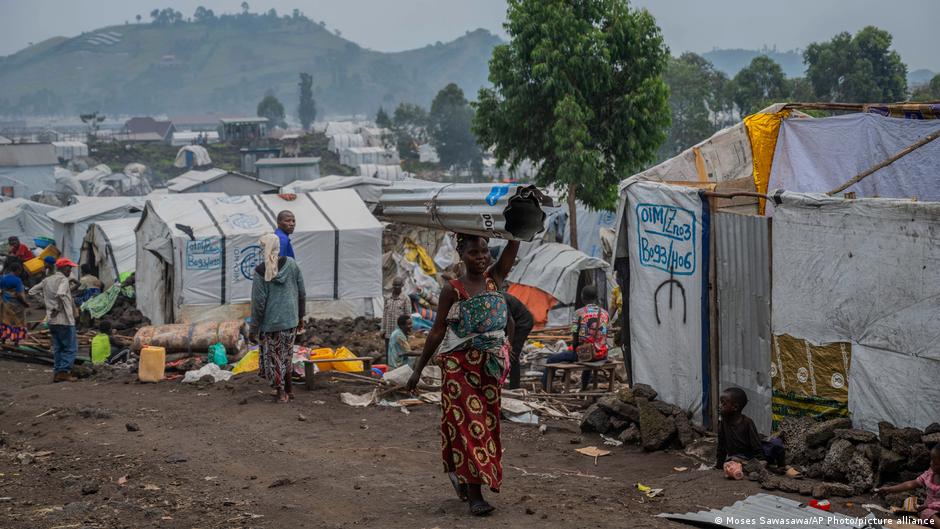
The escalating humanitarian crisis in eastern Democratic Republic of the Congo has reached alarming levels, prompting urgent intervention from the United Nations. During a briefing at the UN Security Council on Friday, June 26, 2026, James Swan, Special Representative of the UN Secretary-General in DRC and head of MONUSCO, painted a stark picture of the worsening humanitarian situation driven by prolonged conflict in the eastern provinces.
With millions of Congolese civilians caught in the crossfire, the international community faces mounting pressure to address the critical funding gap threatening the 2026 Humanitarian Response Plan. Currently, the plan is only 53.3% funded, despite its launch in January 2026 with a total budget of $1.4 billion aimed at assisting 7.3 million people in dire need.
James Swan emphasized the gravity of the situation, stating, “The humanitarian crisis in DRC remains severe. Nearly 27 million people—over a quarter of the population—are experiencing food insecurity. The 2026 Humanitarian Response Plan prioritizes 7.3 million individuals for urgent aid, yet we are only 53.3% funded. I extend my gratitude to donors for their contributions so far and urge immediate action to unlock the remaining funds necessary to meet the urgent needs of the Congolese people.”
The plea for additional funding comes as fighting rages on in multiple territories across North Kivu and South Kivu, where humanitarian needs continue to surge despite diplomatic efforts to secure a lasting ceasefire and implement peace agreements.
Humanitarian Response Plan on the Brink
The 2026 Humanitarian Response Plan, jointly launched by the DRC government and the humanitarian community in Kinshasa on January 28, 2026, requires $1.4 billion to address the country’s most pressing needs. This funding is essential to support millions of Congolese trapped in one of the world’s most protracted and overlooked humanitarian crises. Without adequate financing, the response will be forced to prioritize only 7.3 million people out of the nearly 15 million with critical needs for assistance and protection.
The consequences of underfunding were starkly evident in 2025. Operational constraints led to the closure of over 1,000 nutrition centers, depriving more than 390,000 children suffering from severe acute malnutrition of essential care. Additionally, 1.5 million people lost access to primary healthcare due to the closure of health facilities, medicine shortages, and reduced capacity for epidemic prevention and response. Food assistance targets were slashed by up to 73%, leaving vulnerable populations increasingly exposed to hunger and deprivation.
As the international community grapples with competing global crises, the situation in eastern DRC demands immediate and sustained attention. The UN’s call to action underscores the urgent need for donors to fulfill their commitments and bridge the funding gap before the crisis deepens further.