
 Boureima Amadou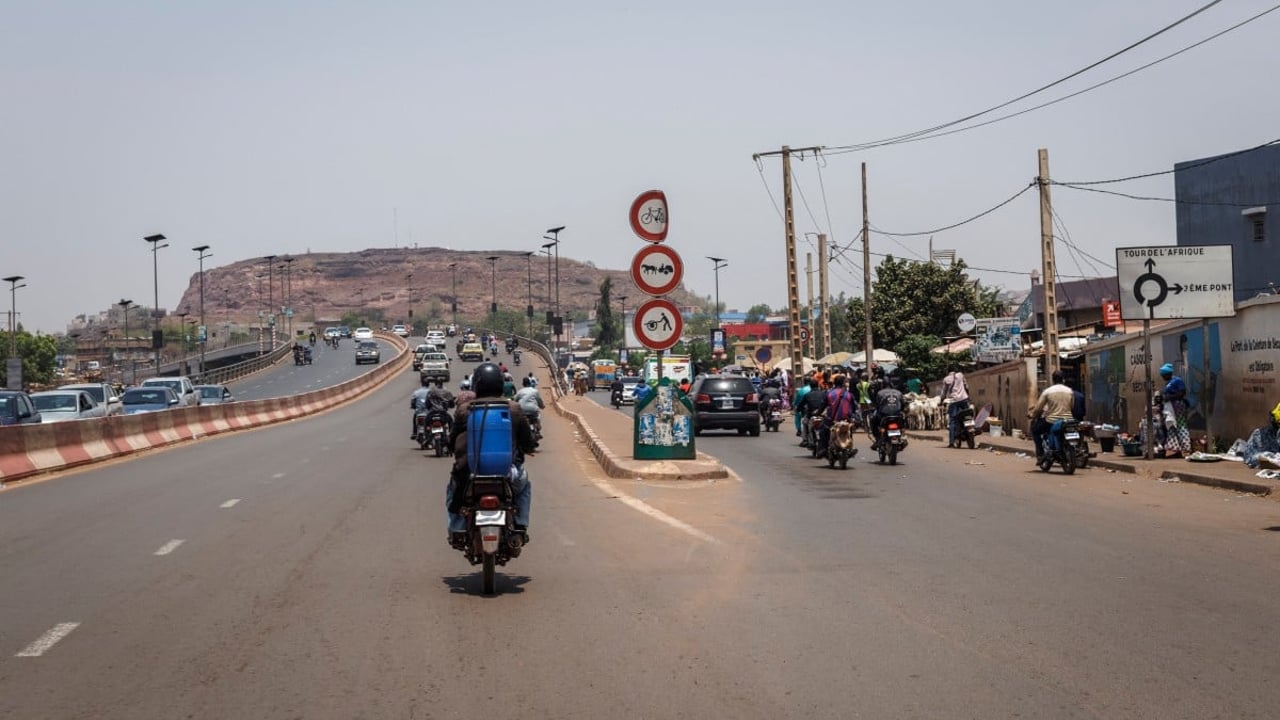
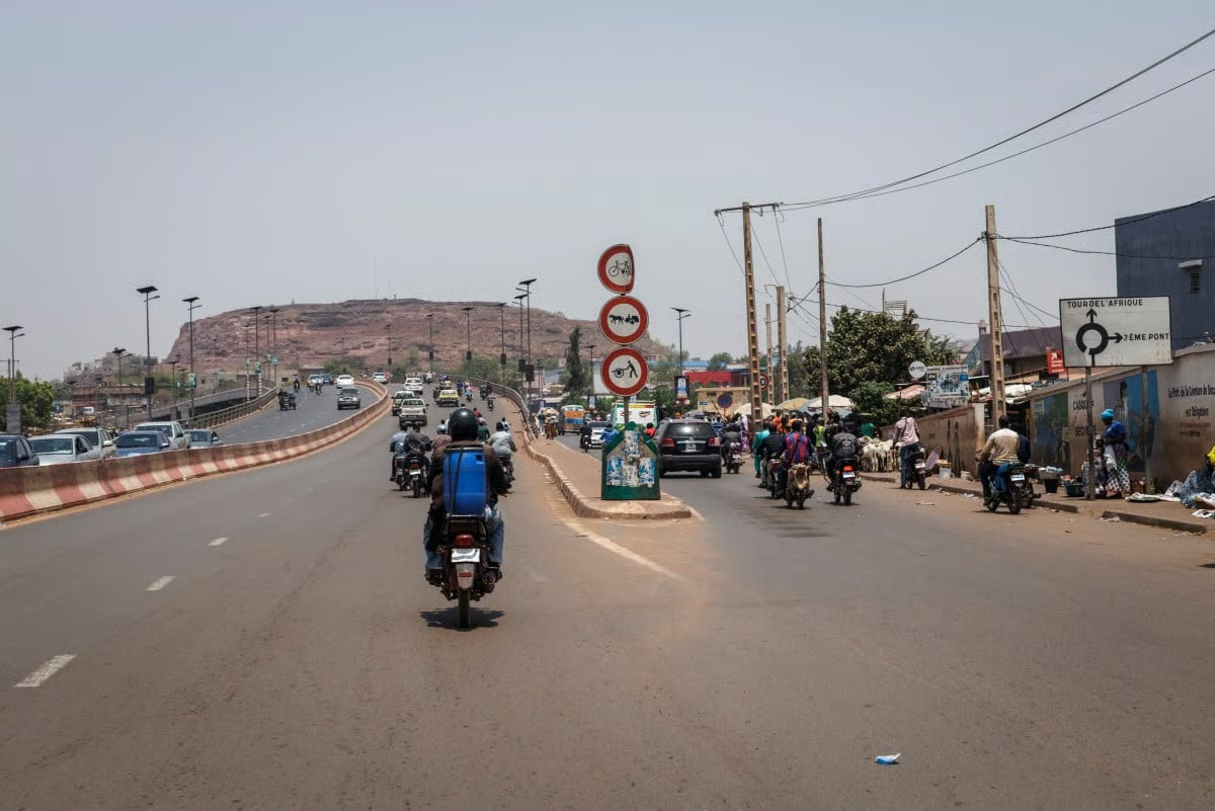
More than ten road transport companies have halted their operations to and from Bamako after jihadist groups imposed a crippling road blockade around Mali’s capital, torching multiple vehicles in the process.
The West African nation has been grappling with escalating violence following coordinated attacks on April 25 and 26 by militants from the Group for the Support of Islam and Muslims (JNIM), affiliated with Al-Qaeda, and the predominantly Tuareg Azauad Liberation Front (FLA). These offensives targeted strategic positions held by the ruling junta.
Since April 30, jihadists have maintained a tight blockade on key roads leading into Bamako, cutting off the landlocked country’s primary supply routes. The capital, like much of Mali, relies heavily on road imports for essential goods, making the disruption particularly severe.
A transport agency spokesperson told reporters on Monday that operations were suspended to “protect passengers from harm and prevent further financial losses.” The agency reported losing six buses in clashes on the Ségou route (central Mali) over the weekend.
While over ten companies have publicly announced their suspension, some have quietly ceased operations out of fear of potential backlash from authorities who might compel them to resume services, the spokesperson explained under anonymity. Major transport routes into Bamako remain inactive, though smaller minibuses continue sneaking in through alternative paths.
Fuel, power, and water shortages grip Bamako
The blockade’s impact is visible across Bamako. On Monday, long lines formed at gas stations as diesel supplies dwindled—a scarcity that has persisted for weeks, according to local reports. Authorities claimed to have received over 700 fuel tankers via the Abidjan-Bamako corridor over the weekend, but recent attacks have seen jihadists set ablaze multiple cargo convoys and passenger buses.
The energy crisis deepened as electricity outages plagued the capital for three consecutive days before a brief three-hour restoration over the weekend. Énergie du Mali (EDM) attributed the disruptions to “an incident,” with an anonymous source revealing it was “sabotage by terrorists targeting the power grid.” Water supply disruptions have also been reported in several communes due to load shedding, as announced by the Malian Water Management Company on Sunday.








