Boureima Amadou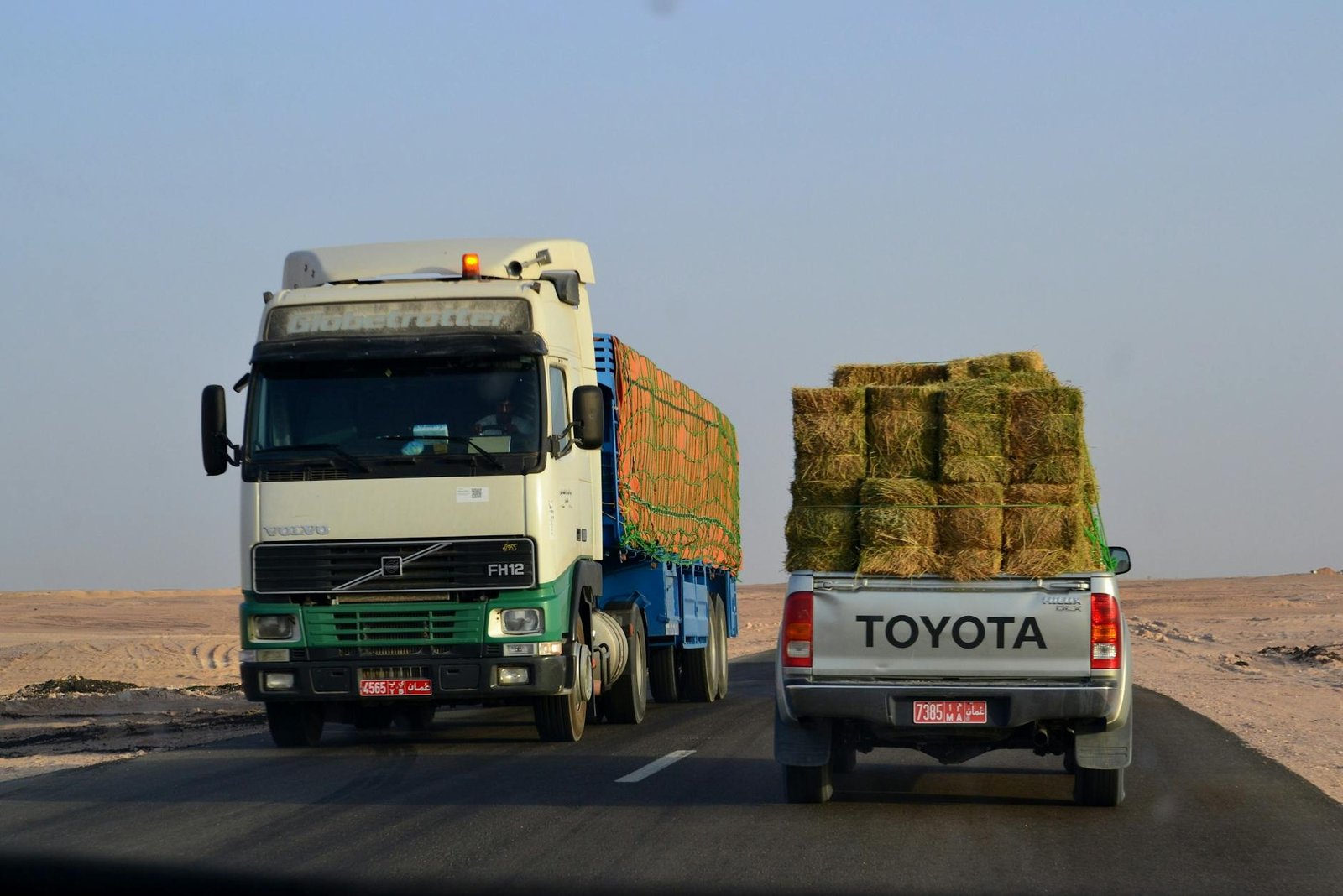
The Chad government is rebooting its regional transit corridor project, linking N’Djamena to Douala and Bangui. This strategic overhaul aims to streamline trade flows between Cameroon, Chad, and the Central African Republic (CAR), all heavily reliant on the Port of Douala for imports and exports. The initiative isn’t just about road infrastructure—it’s a push for economic competitiveness, food security, and deeper integration within the Economic and Monetary Community of Central Africa (CEMAC).
Critical lifeline for landlocked economies
For both Chad and CAR, the Cameroon corridor is the backbone of their logistics networks. Nearly 90% of Chad’s imports pass through Douala, the region’s deepest-water port. The 1,800-kilometer Douala-N’Djamena route is the lifeline for most of the country’s foreign trade. Any disruption—whether due to poor road conditions, excessive border checks, or security threats—triggers immediate price hikes in N’Djamena’s markets.
The Douala-Bangui corridor faces similar challenges, compounded by a decade of instability in northern CAR. Delays can stretch to weeks in some sections, far beyond the expected timeframe, eroding product competitiveness and deterring investment. Despite repeated funding from the World Bank and the Africa Development Bank (AfDB) for key sections, systemic issues persist.
N’Djamena’s economic diplomacy push
Chad’s relaunch of this project signals a fresh political commitment. The move aligns with President Mahamat Idriss Déby Itno’s regional strategy to strengthen Chad’s influence. N’Djamena is pushing for better transit terms with Yaoundé, including fair port pricing, faster customs procedures, and electronic cargo tracking. Bilateral talks are already underway to harmonize trade rules, cut redundant border stops, and deploy digital solutions for smoother logistics.
CAR is equally invested, given its shared dependence on Douala’s port. Both countries see value in trilateral coordination to pool resources and negotiate jointly with international partners. However, turning political pledges into action remains tough, especially with tight budgets across all three nations.
Key challenges blocking real integration
Beyond political will, structural reforms are essential. Endemic border hassles—repeated checkpoints, unofficial fees, and slow clearance—drive up transport costs and fuel corruption. Years after being proposed, the Kousséri-N’Djamena joint border post still isn’t fully operational. Security is another hurdle: the Lake Chad region faces threats from Boko Haram-linked groups, while northern CAR remains unstable due to non-state armed factions. Without lasting peace, logistics promises risk falling short.
Competition looms too. Nigeria’s Port Harcourt and Cameroon’s Kribi deep-water port could reshape regional transit flows. Yaoundé is banking on Kribi to absorb some Chadian and CAR traffic, potentially opening new corridors and forcing a rethink of supply chains in the region.
The Chadian initiative is both timely and daunting. Success hinges on converting intentions into bankable projects, backed by international donors and backed by governance reforms.
Further reading
CMA CGM seals €700M logistics partnership in Kenya · Kassoum Traoré named interim CEO of Port of Abidjan · Gabon allocates FCFA 133 billion to upgrade Transgabonais railway