
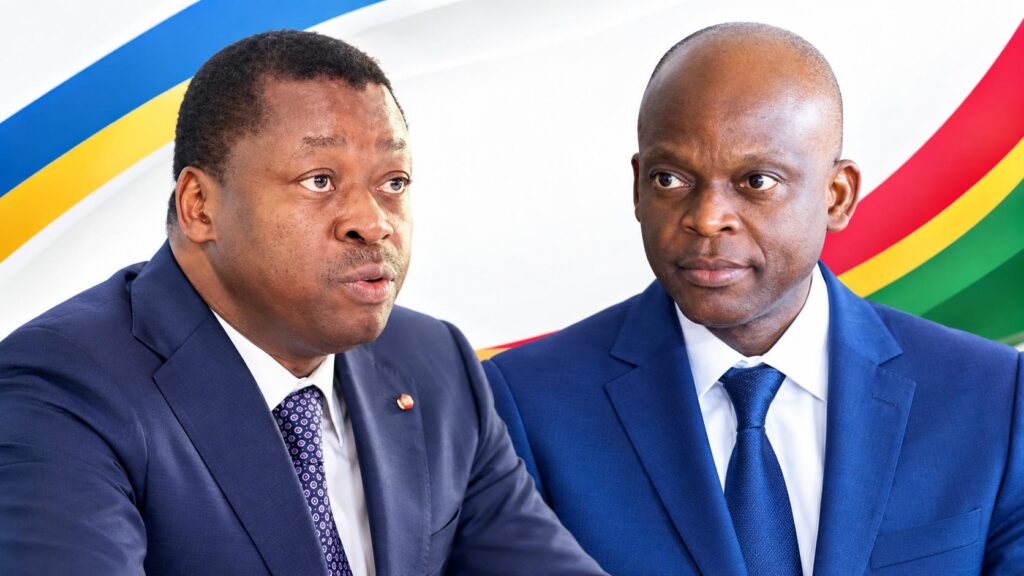
While Togolese citizens struggle daily under a suffocating economic crisis and skyrocketing living costs, the government’s lavish diplomatic expenditures have sparked widespread outrage. Investigations into sovereignty budgets and international influence contracts reveal that the campaign to promote the “new map of Africa” at the United Nations cost Togolese taxpayers a staggering $2 million.
For several months, the ministry of foreign affairs engaged in intense diplomatic maneuvers to push this cartographic initiative. Yet behind the self-congratulatory government propaganda celebrating the “diplomatic influence of Togo,” the actual financial balance sheet shows a massive waste of public funds for what is ultimately a purely symbolic victory.
Breakdown of the diplomatic bill
Where did these $2 million taken from the public treasury actually go? A close analysis of diplomatic logistics and financial flows highlights exactly where the resources were allocated:
- International lobbying and consulting firms: To place this resolution on the United Nations General Assembly agenda and win support from Western and Asian nations, Lomé hired specialized public relations and crisis communication agencies. These services included Paris-based PR firms frequently employed by African presidencies, alongside Washington D.C. lobbying operations registered under the Foreign Agents Registration Act (FARA) to connect Togolese diplomats with English-speaking decision-makers. These consulting and strategy contracts required payment in foreign currencies, totaling hundreds of thousands of dollars.
- Robert Dussey’s luxury travels: Foreign Minister Robert Dussey embarked on numerous first-class trips and stayed in luxury hotels across New York, Paris, Geneva, and various African capitals to conduct direct lobbying. Private flights, high per diem allowances, and delegation expenses accounted for a massive portion of the total cost.
- Prestige events and receptions: Official dinners, diplomatic gifts, and fully funded travel for international delegates and experts during preparatory meetings drove secondary costs to extreme heights to secure favorable votes.
- Media campaigns and influence operations: Funding targeted press relations campaigns in international outlets, sponsoring opinion editorials, and hosting tailor-made symposiums to build academic credibility around the initiative.
A disconnect from urgent domestic needs
For civil society and economic observers, wasting such enormous financial resources is indefensible given the harsh realities on the ground. This $2 million investment, equivalent to over one billion CFA francs, could have been used to equip struggling hospitals in Kara, Dapaong, or Adétikopé, which suffer from severe shortages of basic medical equipment. Alternatively, these funds could have built modern classrooms or supported vulnerable households through social relief programs.
By prioritizing expensive vanity projects and relying on foreign consulting firms instead of addressing the fundamental needs of its citizens, the Togolese government once again demonstrates the deep divide between its desire for international prestige and the daily struggles of the Togolese people.
More Stories
Naples vs Arsenal Champions League preview
Air Sénégal expands fleet with Boeing 737
Did billions vanish from Cameroon court safes