Boureima Amadou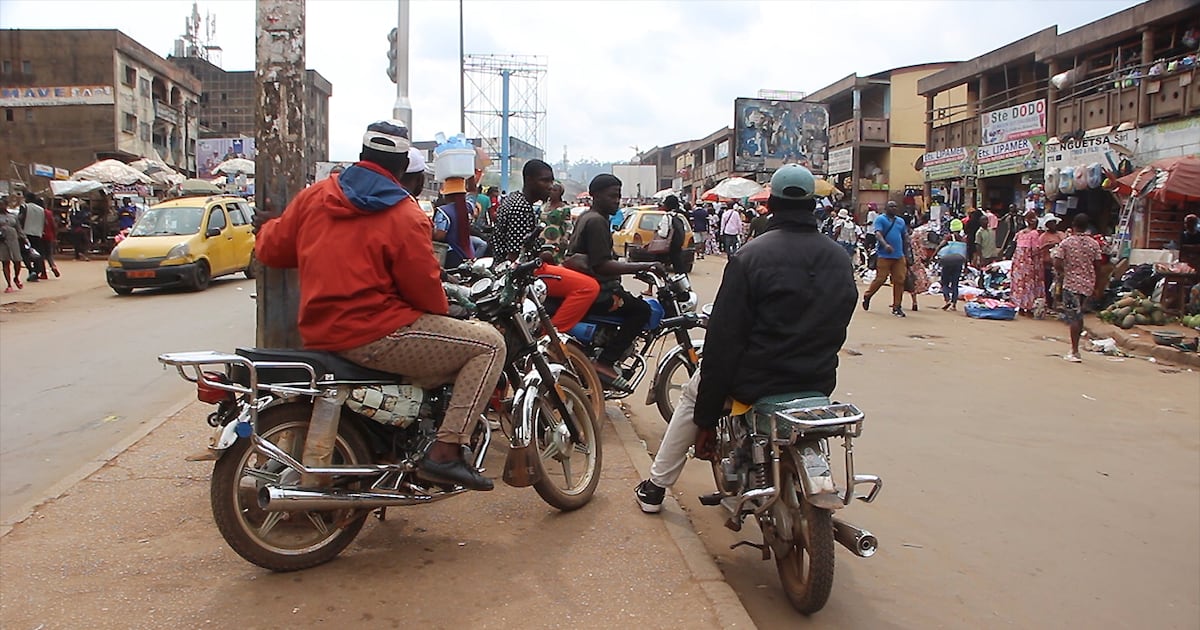
Modern Cameroonian men are increasingly seeking definitive biological proof of fatherhood, often moving beyond traditional verbal assurances regarding an impending birth. This emerging trend in Cameroon reflects evolving societal norms.
While these individuals typically fulfill their parental duties, supporting their partners from prenatal appointments through delivery, the question of biological linkage often surfaces only after the child’s arrival. This post-birth verification has become a crucial step for many seeking assurance of their paternity.
This growing practice of requesting paternity tests is not confined to informal partnerships; it has also permeated households where couples are formally bound by Cameroonian civil marriage laws.
The motivations behind this significant Cameroon paternity test trend vary individually, yet a common thread unites them: a desire to prevent potential deception by women. Georges Ebanga, a resident of Tsinga, Yaoundé, articulated this concern plainly: “Women have become exceptionally cunning. Some attribute a single pregnancy to multiple men, solely for financial gain. I’ve resolved to verify everything, as I am prepared to pursue legal action for breach of trust and fraud against anyone who attempts to deceive me,” he stated.
In the nearby Bastos neighborhood, I encountered a man in a city taxi who recounted his own painful experience with such dishonesty. “For twelve years, I raised a child I believed was my own,” he explained. “Then, one day, her mother returned her to her biological father. I swear, I nearly had a breakdown. That’s why I’ve decided to conduct a paternity test for every child attributed to me from now on,” he revealed.
Despite its growing acceptance as an English Africa news topic, paternity testing faces resistance from some Cameroonians who view it as a foreign, “Western” imposition. These traditionalists argue that such practices deviate from deeply rooted ancestral African values, which historically emphasize that a child belongs to the wider community, not solely to its biological parents.


 Mariama Hamani