Mariama Hamani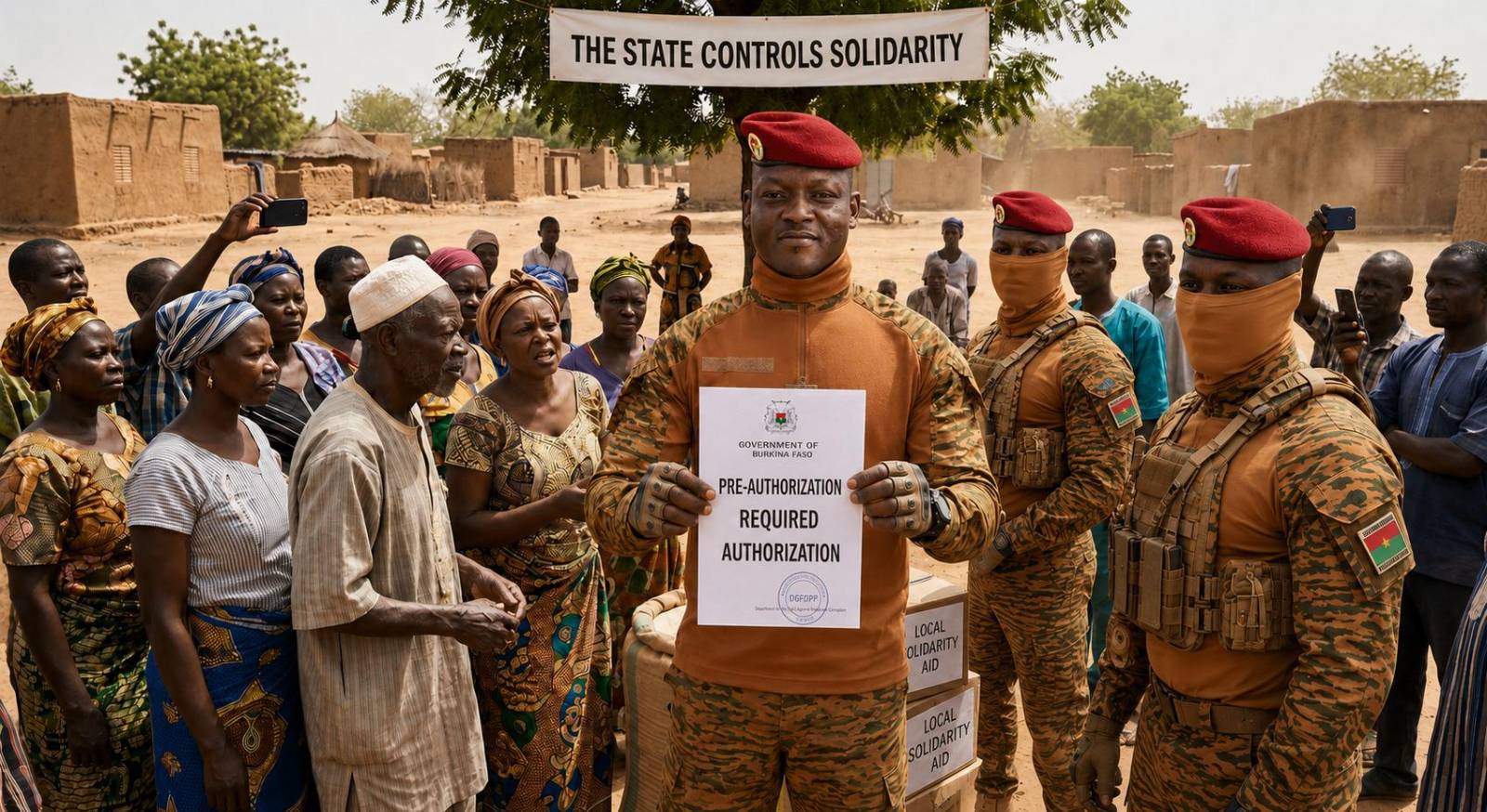
In Burkina Faso, a new regulatory wave is reshaping the landscape of charitable giving. The Ministry of Solidarity has imposed strict controls, mandating prior authorization for all charitable initiatives—be they online fundraisers or grassroots efforts—or face penalties. While framed as a measure to uphold dignity and curb digital exploitation, the policy raises profound questions about the boundaries between collective responsibility and state oversight.
At first glance, the move to regulate charitable practices may appear justified. The unchecked spread of online appeals for humanitarian aid has, in some instances, reduced human suffering to a spectacle, commodifying empathy for visibility or profit. Yet, the blanket enforcement of administrative approvals risks conflating legitimate solidarity with suspicious activity, treating every act of generosity as a potential delinquency requiring bureaucratic validation.
When generosity becomes a regulated act
The requirement for state authorization to assist one’s fellow citizens is a troubling precedent. If the mere impulse to help now demands official clearance, it signals a troubling erosion of individual freedoms in a society where authorities seem to perceive benevolence as a threat rather than a civic duty. This approach reflects a broader trend: the centralization of compassion under the exclusive purview of governing bodies.
Historically, Burkina Faso’s resilience has been sustained by the organic solidarity of its people—communities, diaspora networks, religious groups, and local associations—who often respond to crises far more swiftly than state structures. Their ability to act decisively hinges on autonomy, a principle now being systematically undermined by regulatory hurdles. By demanding preemptive approval, the government not only delays critical aid but also stifles the very mechanisms that have filled gaps left by public institutions.
Bureaucracy vs. survival: an unsustainable divide
This policy exposes a stark disconnect between governance and reality. While the government frames its decision as a safeguard against exploitation, it overlooks the urgent, time-sensitive nature of humanitarian needs. Medical emergencies, forced displacements, and food shortages do not pause for administrative reviews. Yet, under this decree, assistance becomes mired in red tape, leaving vulnerable populations abandoned to bureaucratic inertia.
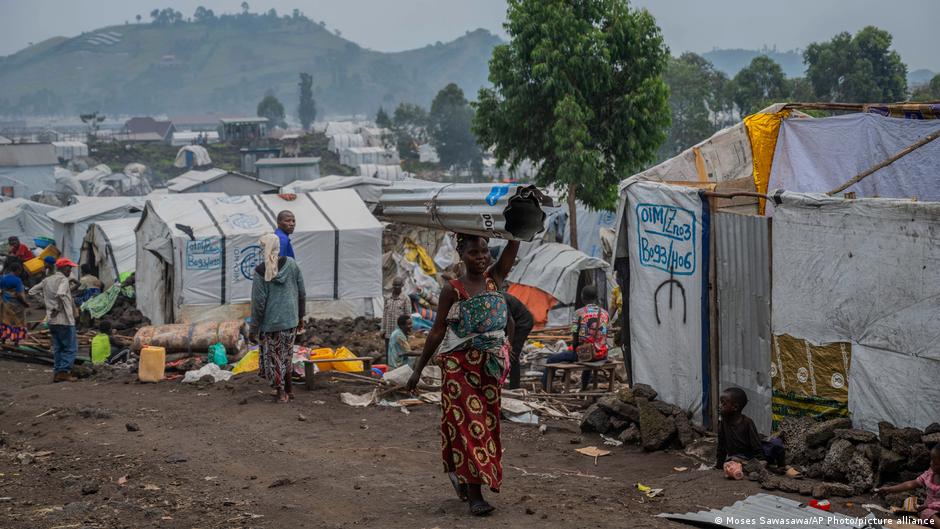
The consequences are dire. The Burkina Faso continues to grapple with escalating security and humanitarian challenges, from mass displacements to economic precarity. The very communities most in need rely on rapid, decentralized aid—precisely the kind now throttled by this policy. By monopolizing the role of benefactor, the state risks creating a void it cannot fill, while discouraging spontaneous generosity out of fear of sanctions or complex procedures.
The illusion of dignity through control
The government justifies its intervention as a means to protect the dignity of those in distress, ostensibly shielding them from public spectacle. Yet, what dignity is preserved by rendering suffering invisible? True dignity lies not in concealment behind decrees but in ensuring timely, dignified access to assistance. There exists a middle ground—one that combines ethical safeguards, transparency, and respect for consent—without suffocating the organic empathy that sustains communities.
By transforming human compassion into a bureaucratic procedure, Burkina Faso’s authorities risk severing the lifelines that have kept its people afloat. The state’s inability to replicate the agility and reach of grassroots solidarity underscores the folly of this approach. In the end, this policy does not protect dignity; it erodes the very foundations of a society built on mutual aid. It is a gamble where the obsession with control trumps the survival of its citizens.


 Boureima Amadou