Boureima Amadou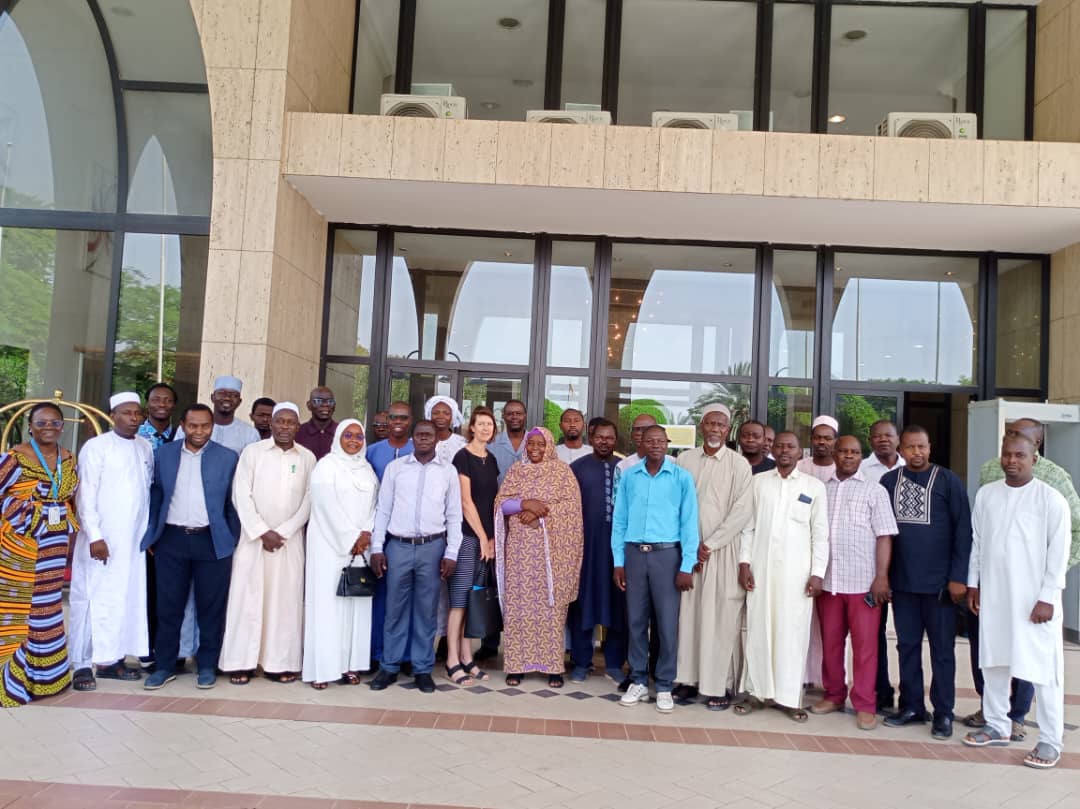
N’Djamena recently hosted a landmark three-day national workshop focused on strengthening groundwater governance in Chad. Bringing together over fifty key stakeholders from public institutions, technical and financial partners, civil society, and user groups, the gathering aims to develop a unified, multi-stakeholder action plan to enhance sustainable groundwater management and mitigate risks to both quantity and quality.
Why groundwater governance matters in Chad
Groundwater is the lifeblood of Chad’s water security. It sustains drinking water supplies, powers agricultural irrigation, supports pastoral systems, and underpins urban development—especially in regions facing severe climate stress and surface water scarcity. The workshop convened in response to growing concerns about over-extraction, contamination risks, and the long-term viability of this critical resource.
Building a shared vision for water security
Speaking at the opening session, UNICEF representative Natascha Paddison emphasized the human dimension behind every technical decision about groundwater. “This workshop is not just about water—it’s about people,” she said. “Access to safe water, sanitation, and hygiene is fundamental to children’s health, education, and dignity. Our choices today will shape the future of generations to come.”
Paddison highlighted that the workshop provides a platform for participants to exchange expertise, assess priority risks, and co-create actionable solutions. She stressed the need to position groundwater not as a source of conflict or risk, but as a cornerstone of resilience, health, and equitable development.
From diagnosis to action
Fatimé Hassan, Director General of Water Resources in Chad, outlined the workshop’s objectives: to foster consensus on groundwater governance priorities, establish a shared understanding of the country’s subsurface water challenges, and define concrete measures for implementation. The outcomes will be documented in a comprehensive report and a technical policy brief, integrating findings from the 2026 national groundwater risk assessment.
The collaborative process involves representatives from national water authorities, sectoral ministries, regional bodies, development partners, UN agencies, NGOs, private sector actors, user groups, and academic experts. Through structured dialogue and expert input, the workshop seeks to deliver practical recommendations that promote more efficient, inclusive, and sustainable groundwater stewardship across Chad.