Boureima Amadou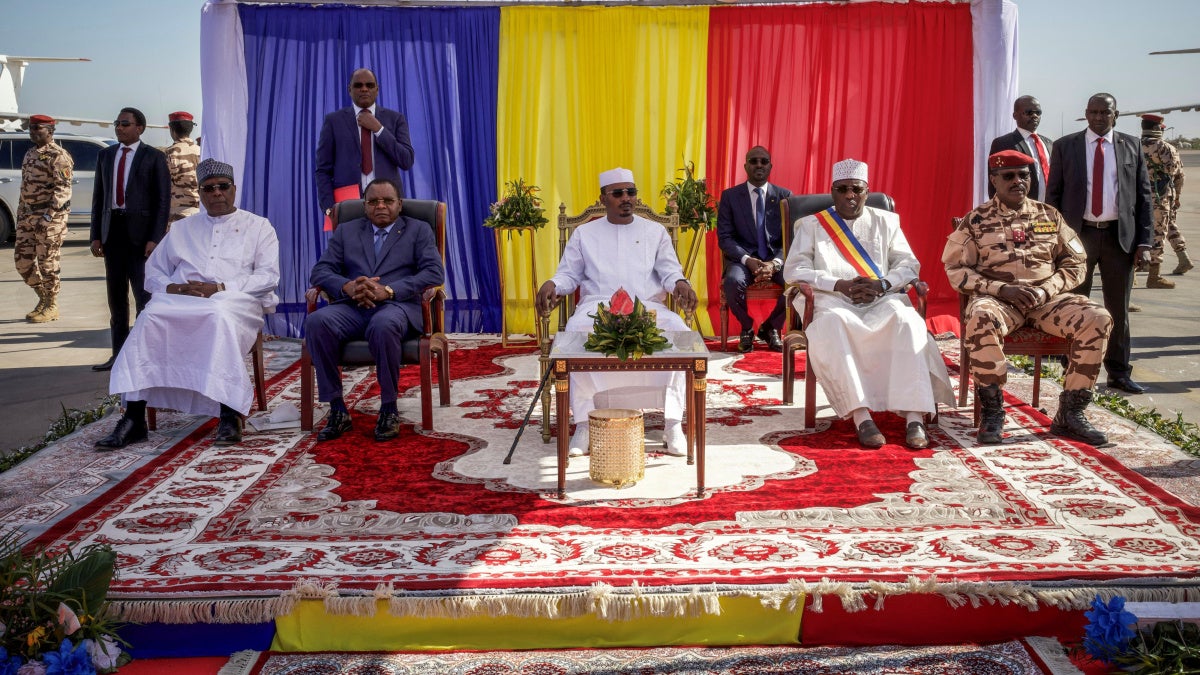
The Tchad human rights landscape in 2025 reflects a troubling consolidation of power under President Mahamat Idriss Déby, whose 2024 election victory—criticized for irregularities by opposition groups—set the stage for sweeping constitutional changes. In 2025, amendments were enacted eliminating presidential term limits and extending mandates from five to seven years, effectively enabling indefinite rule pending periodic elections. This move has drawn sharp criticism from analysts, who argue it undermines democratic safeguards and centralizes authority in the presidency.
Political repression intensifies amid opposition crackdown
Opposition figures have faced severe restrictions, with the arrest and imprisonment of Succès Masra, leader of the opposition party Les Transformateurs, on charges including hate speech and complicity in deadly intercommunal violence. Masra was sentenced to 20 years in prison in August 2025, a verdict widely condemned as politically motivated. His trial, conducted alongside dozens of co-defendants, followed his arrest in May despite a 2023 agreement—signed in Kinshasa—that had suspended arrest warrants against him and guaranteed his return from exile and political participation.
Journalists and activists associated with Masra’s movement have also been targeted, facing intimidation, arbitrary arrests, and prolonged detention without trial. A 2024 amnesty law shielding participants in October 2022 protests from prosecution has further stifled public discourse on accountability, effectively silencing dissent and obstructing justice for victims of state violence.
Intercommunal violence surges with deadly clashes
Clashes between nomadic Fulani herders and sedentary farming communities in southern and eastern regions of Tchad escalated in 2025, resulting in dozens of fatalities. In May, Mandakao village in Logone-Occidental witnessed 41 deaths after disputes over land boundaries led to armed confrontations. Similar violence erupted in Orégomel (Mayo-Kebbi Ouest) and Molou (Ouaddaï), where machete attacks and intertribal fighting claimed at least 17 and 20 lives respectively. These incidents underscore deep-rooted tensions fueled by demographic pressure, shrinking arable land, and climate-induced resource scarcity.
Humanitarian agencies are stretched thin by displacement from both internal conflicts and the ongoing crisis in neighboring Sudan, where thousands of refugees have crossed into southern Tchad. Devastating floods at the end of 2024 and early 2025 further exacerbated food insecurity, compounding the challenges faced by affected communities.
Constitutional amendments erode checks and balances
In September 2025, Tchad’s National Assembly approved sweeping constitutional reforms that extend presidential terms to seven years and remove term limits entirely—changes passed with 171 votes in favor and no opposition. The amendments, ratified by both chambers and signed into law the following month, concentrate power in the presidency and weaken legislative oversight, severely constraining political pluralism and public debate.
State violence and unaddressed impunity
Despite widespread condemnation, no credible investigations have been conducted into the 2024 post-election violence in which security forces fired indiscriminately into civilian areas, killing at least 11 people—including children—and injuring many more. Similarly, the 2024 killing of opposition leader Yaya Dillo during a security raid on his party headquarters has not been investigated, despite his allies being released in December 2024 and Robert Gam, another detained opposition figure, being freed in June 2025 without charge.
In a further erosion of civil rights, authorities stripped citizenship from blogger Makaila Nguebla and journalist Charfadine Galmaye Saleh in September, both of whom are now in exile abroad. Additionally, journalists Olivier Monodji and Mahamat Saleh Alhissein were detained for four months on espionage and state security charges linked to alleged Wagner Group ties, before being released in July without trial.
Legal discrimination against LGBTQ+ individuals persists
Under Tchad’s 2017 Penal Code, Article 354 criminalizes same-sex relations, imposing imprisonment of up to two years and fines ranging from 50,000 to 500,000 CFA francs (approximately $75–$750 USD). This legislation continues to marginalize and criminalize LGBTQ+ individuals, reinforcing systemic discrimination and limiting freedom of expression and identity.

 Mariama Hamani