Mariama Hamani
Chad tackles intercommunal conflicts through security reforms
Chad’s Public Security Minister urges collective action to curb rising intercommunal violence, emphasizing integrated solutions and broad stakeholder engagement.
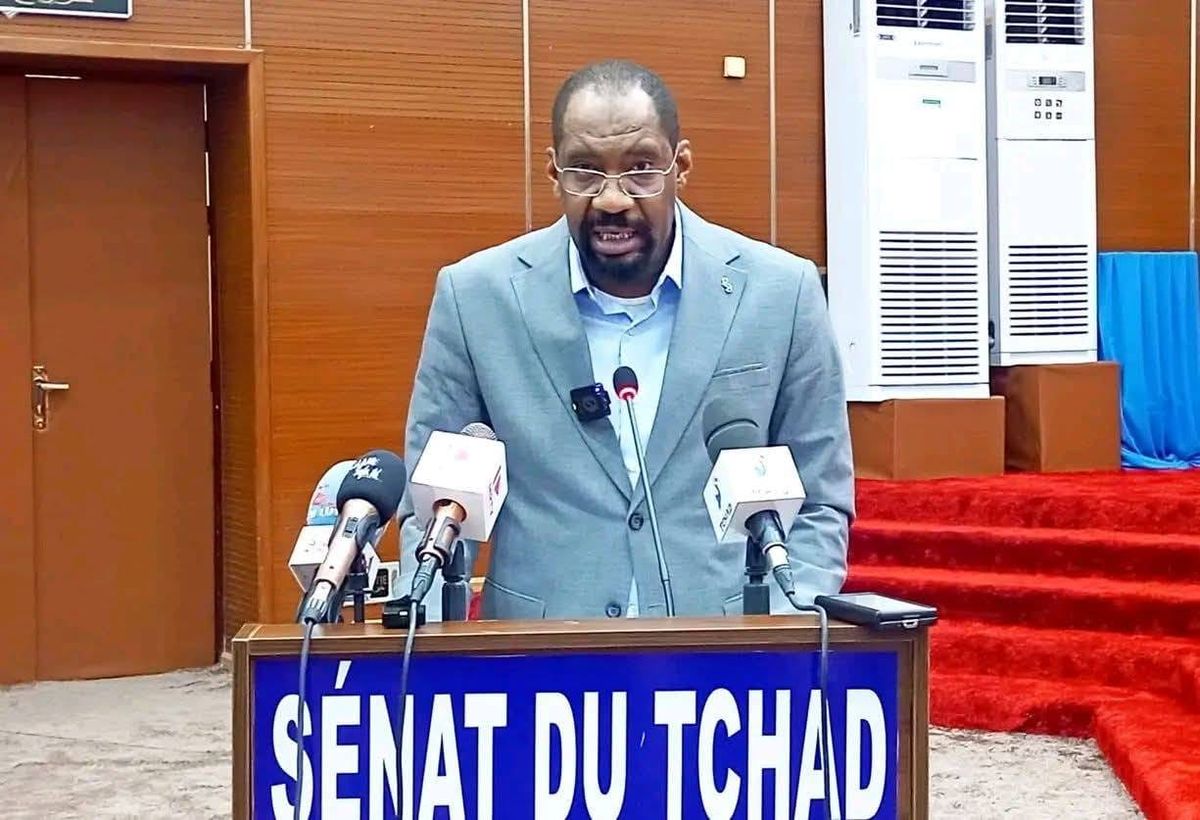
The Senate, led by President Dr. Haroun Kabadi, dedicated its plenary session to pressing security challenges facing Chadian communities. On June 1, 2026, lawmakers examined escalating intercommunal violence and the broader implications for national stability.
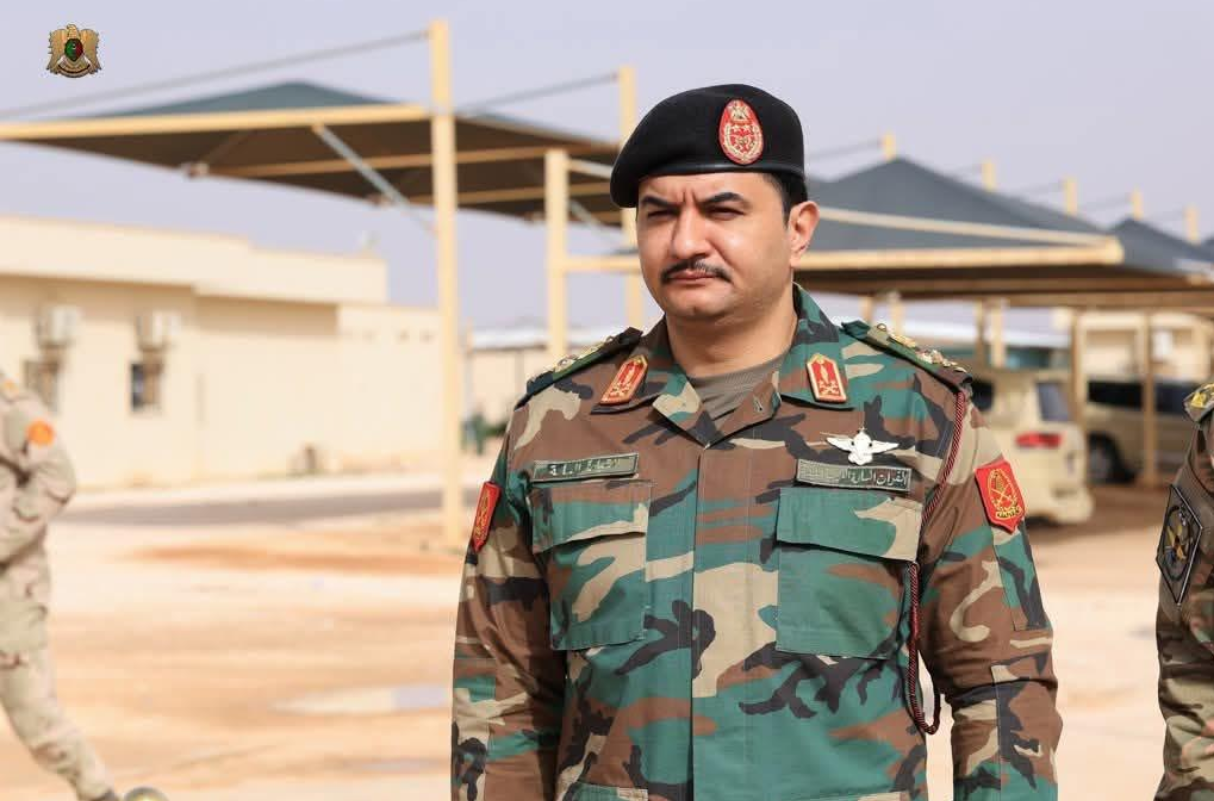
Public Security Minister and Immigration Chief, General Ali Ahmat Aghabache, fielded detailed questions from senators about rising tensions and outlined the government’s comprehensive strategy to restore peace and strengthen social cohesion. The discussions highlighted urgent needs in insecure provinces, with lawmakers emphasizing stronger state presence, improved conflict prevention mechanisms, and enhanced operational capacity for defense and security forces.
General Aghabache presented sobering statistics to the upper house: intercommunal clashes resulted in 318 deaths and 3,015 injuries between 2024 and 2025, alongside significant property damage affecting countless communities nationwide. These figures underscore the severe strain on social cohesion, territorial stability, and public development initiatives.
To counter this crisis, the government has launched targeted measures, including intensified patrols in high-risk zones, expanded mobility for security forces through new equipment such as motorcycles, and the recruitment of 1,000 police officers and 1,000 gendarmes to bolster national security coverage.
The Minister reaffirmed the government’s commitment to bridging the gap between security forces and citizens, improving monitoring in sensitive areas, and ensuring rapid responses to emerging tensions. While acknowledging senators’ contributions, he stressed that combating intercommunal violence requires a multi-layered approach—integrating security measures with community dialogue, local mediation, and public awareness campaigns.
General Aghabache emphasized that lasting peace cannot rely solely on security operations; it demands the active participation of all societal actors—traditional leaders, religious figures, administrators, and civil society. This plenary session not only illuminated Chad’s ongoing security challenges but also reaffirmed the nation’s collective resolve to preserve peace, reinforce national unity, and safeguard every citizen’s security.

 Boureima Amadou