Boureima Amadou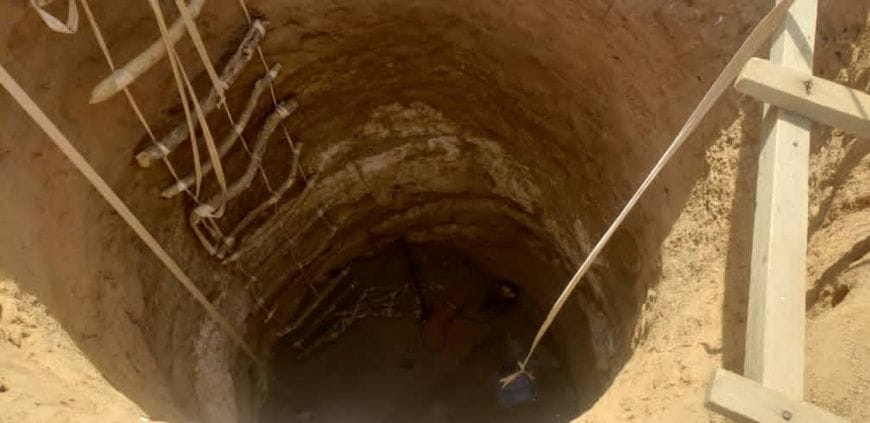
Tchad: governance through chaos, a deliberate strategy
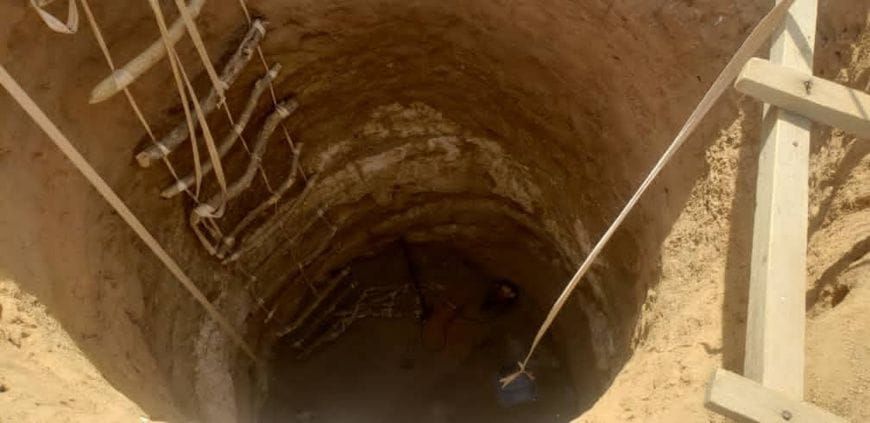
Dying for a water source in the 21st century is neither divine punishment nor an ancestral tradition—it is the direct consequence of a deliberately sustained institutional void.
For three decades, the script has remained unchanged. Scenery shifts, messianic figures parade through power in father-son succession, yet the bloodshed persists, its hue unchanging: the color of failure. Here, intercommunal clashes are not resolved—they are staged. The state prioritizes the roar of aircraft engines and the dust-choked processions rolling through villages over the steady resolve of an independent judiciary. This is an organized bankruptcy in plain sight.
The displacement charade, the ground-level tragedy
When a dispute erupts over a well or grazing land, the response is always a grand performance. High-ranking delegations descend, mediation ceremonies unfold with pomp, and paternalistic speeches fill the air. Yet once the swirling dust from the 4×4 convoys settles, what remains? Nothing. That is where the system falters. This theatrical display is costly—budgetary allocations for a single presidential visit or a flashy peacekeeping mission could fund modern wells by the thousands, turning a scarce resource into a shared asset. But building lasting infrastructure erodes the very pretext that justifies the savior’s arrival. The cycle of dependency thrives when institutions are starved into irrelevance.
A gutted judiciary, a justice system on life support
Elsewhere, leaders remain in their capitals not out of disdain for local strife, but because their nations function. In Chad, politics has systematically emasculated the justice system. An empowered judiciary threatens those who govern through arbitrariness. By denying courts the autonomy to adjudicate disputes, the state forces citizens to take matters into their own hands. Dying for a water source in the 21st century is neither divine punishment nor an ancestral tradition—it is the direct result of a deliberately engineered institutional void. Political failure here is complete; it chooses crisis management over nation-building.