Boureima Amadou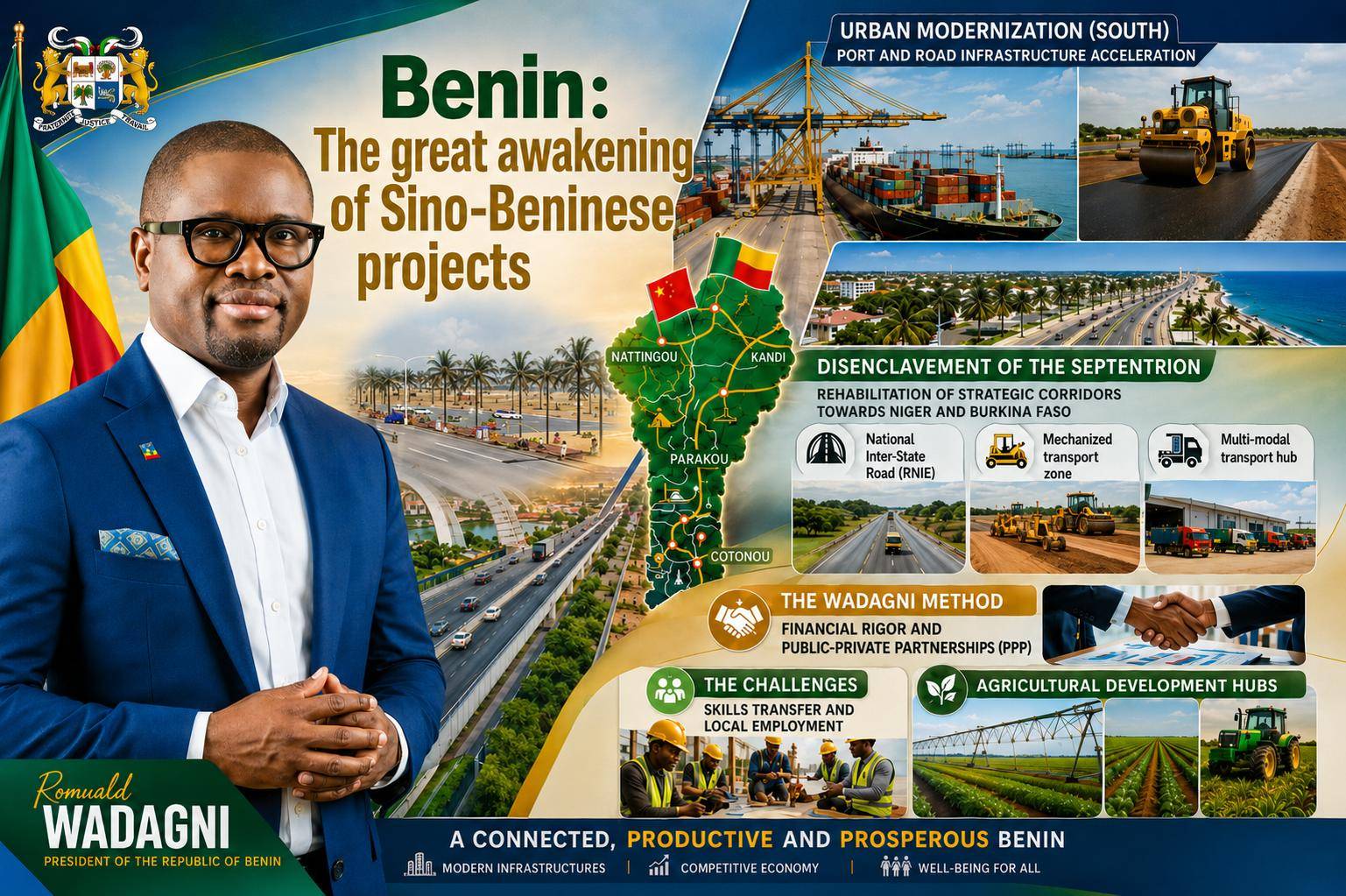
The ascension of Romuald Wadagni to the presidency marks a pivotal moment in Benin’s developmental trajectory. At the center of this transformative agenda lies the revitalization of the long-standing sino-beninese cooperation, epitomized by the resurgence of large-scale infrastructure projects across Cotonou and the northern regions of the country.
From the outset of his administration, President Wadagni, a former finance minister renowned for his macroeconomic discipline, has signaled his commitment to reshaping the nation’s physical and economic landscape. This renewed strategic alliance with Beijing has injected fresh momentum into Benin’s agenda, evidenced by the surge of construction activity along the Atlantic coast and deep into the northern territories.
Cotonou and Porto-Novo: urban renewal takes center stage
The capital cities of Cotonou and Porto-Novo are undergoing a comprehensive modernization drive aimed at alleviating congestion in critical economic corridors. Under President Wadagni’s leadership, Chinese cooperation has intensified, channeling technical expertise and investment into key sectors:
- Port infrastructure upgrade: Chinese construction firms are rejuvenating access routes to the Port of Cotonou, the nation’s economic lifeline, to streamline cargo transit toward inland markets.
- Drainage and roadworks overhaul: A sweeping program to modernize stormwater evacuation and road surfacing, backed by Chinese engineering, is nearing completion to shield the capital from recurrent flooding.
The northern frontier: unlocking economic and security potential
While the south undergoes rapid transformation, the northern provinces of Parakou, Natitingou, and Kandi have emerged as the cornerstone of President Wadagni’s strategy. This focus addresses dual imperatives: bolstering economic resilience and addressing regional security concerns.
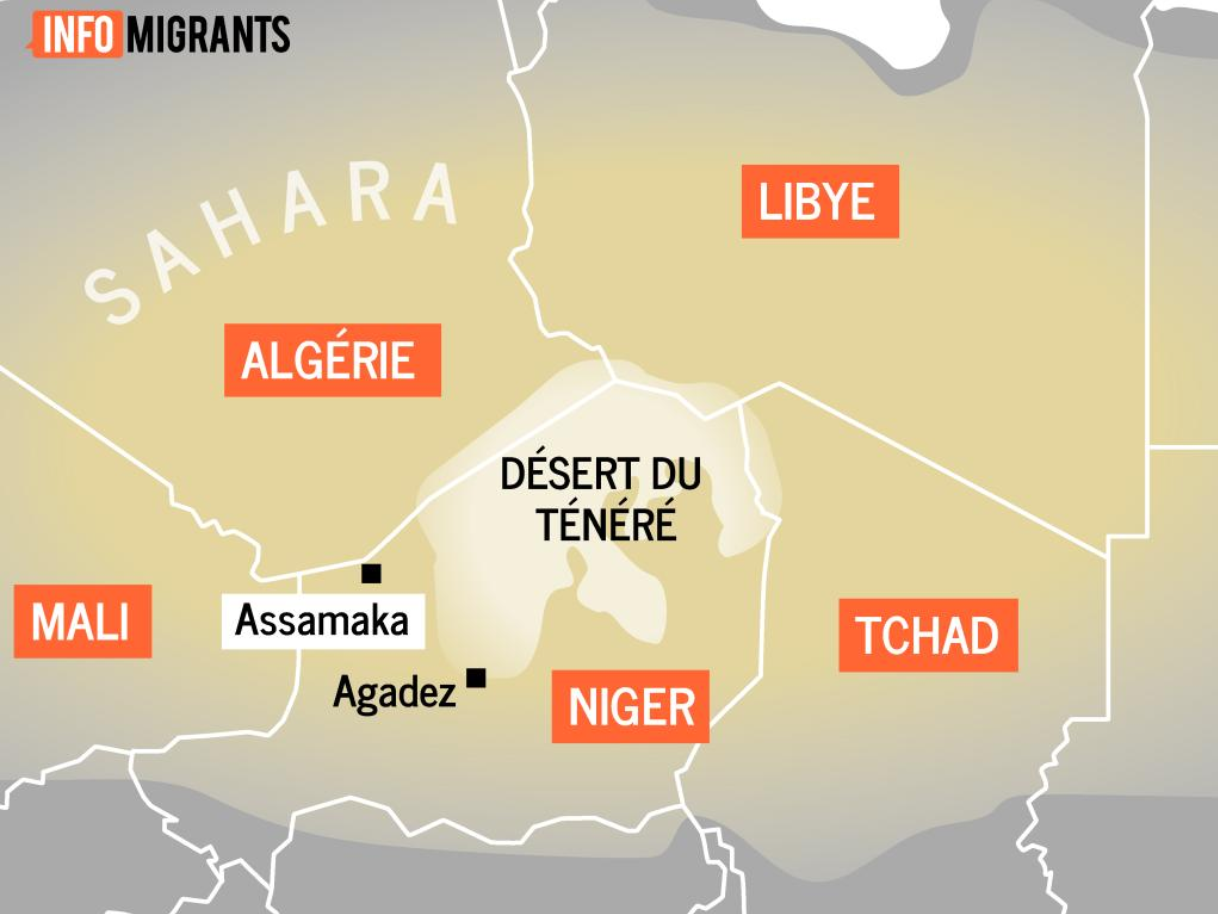
The Sahel’s cross-border instability underscores the urgency of this approach. By accelerating infrastructure development in the north, Benin aims to fortify its territorial cohesion and economic independence, positioning itself as a stable hub in West Africa.
Northern development blueprint under sino-beninese collaboration
The sino-beninese partnership has outlined a multipronged initiative for the northern regions:
- Restoration of critical road networks linking Benin to Niger and Burkina Faso;
- Enhancement of multimodal transport infrastructure;
- Logistical support for agricultural development hubs.
Central to this strategy is the rehabilitation of the Inter-State National Road (RNIE), a vital conduit ensuring Benin’s competitiveness against regional peers. By strengthening connectivity between the Port of Cotonou, northern agricultural zones, and landlocked neighbors, the country is laying the groundwork for sustainable growth projected at nearly 6% annually by international financial institutions.
Wadagni’s methodology: fiscal prudence meets infrastructure ambition
China’s renewed engagement under President Wadagni is not a leap of faith but a calculated strategy. Leveraging his expertise in debt management and international financing, he has championed a balanced, mutually beneficial partnership grounded in public-private collaboration.
While Chinese partners contribute technical prowess and industrial capacity, Benin offers a stable macroeconomic environment, reassuring foreign investors and ensuring the viability of long-term projects.
The road ahead: challenges and safeguards
Despite the progress, significant hurdles remain. To ensure the sustainability of this infrastructure drive, the government must prioritize two critical areas:
- Skill and capacity transfer: Ensuring mega-projects generate local employment and integrate Beninese subcontractors into the supply chain;
- Project execution efficiency: Streamlining administrative and procurement processes to mitigate delays, a persistent bottleneck in national development initiatives.
By simultaneously advancing infrastructure in the south and north, President Romuald Wadagni has staked his presidency on an ambitious economic and political vision. The Benin of 2026 is under construction, and the renewed sino-beninese alliance is the driving force behind this transformation.